Follow Us on Google

From Adanna Nnamani, Abuja
Petroleum products retailers have urged the Federal Government and industry regulators to strengthen the naira-for-crude policy in 2026, saying effective implementation is key to boosting domestic refining, stabilising fuel prices and reducing pressure on operators.
The call was made by the Petroleum Products Retail Outlets Owners Association of Nigeria (PETROAN) in its 2026 outlook signed by the National President, Billy Gillis-Harry, and the association’s spokesman, Joseph Obele.
PETROAN noted that although the naira-for-crude policy was introduced to allow domestic refineries purchase crude oil in naira instead of dollars, several implementation challenges limited its effectiveness in 2025.
According to the association, issues such as delays in crude allocation, pricing disputes, pipeline disruptions and inconsistent supply have continued to hurt retail operators, leading to market uncertainty and reduced margins in the downstream sector.
The retailers also highlighted intense competition between petroleum importers and local refiners in 2025, describing the situation as a price war that resulted in frequent pump price adjustments, heavy losses and weakened investment confidence.
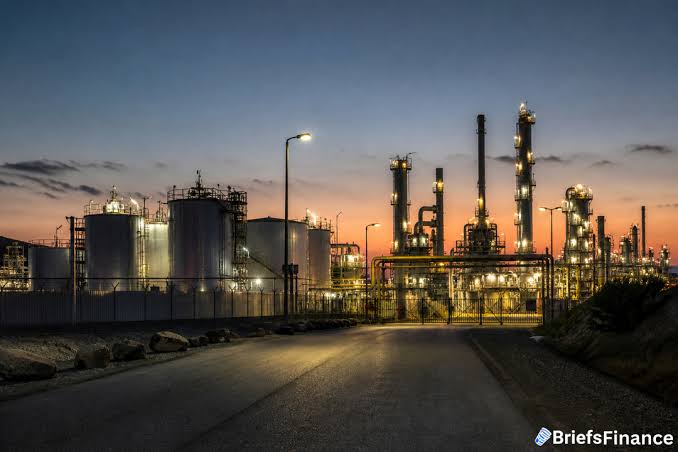
On the domestic refining front, PETROAN welcomed the approval of over 30 private refineries, noting that 23 of them are currently under construction and could add more than 850,000 barrels per day to Nigeria’s refining capacity when completed, complementing the Dangote Petroleum Refinery and reducing dependence on imports.
Other News
The association stressed that strengthening the naira-for-crude policy, improving crude supply to local refineries, enhancing pipeline security and promoting fair competition would help stabilise pump prices and support long-term growth in the downstream sector.
Looking ahead to 2026, PETROAN urged policymakers to maintain import flexibility to guarantee uninterrupted fuel supply, support alternative energy sources such as CNG, LPG and solar, and deepen engagement among regulators, refiners and retail operators.
“Delays, pricing disputes, and inconsistent allocations limited the policy’s impact. Strengthening transparency and timely allocation is critical for maximising its benefits in 2026.”
“Ensuring a steady and adequate crude supply to domestic refineries is essential to support production and reduce reliance on imports. Without it, pump prices will remain high, and retail operators will continue to face losses.
“The downstream sector experienced intense price competition between petroleum importers and local refiners. This price war led to frequent pump price adjustments resulting in losses of billions of naira to our members, market uncertainty, and reduced margins for retail outlet operators. While short-term consumer relief was observed, long-term sustainability and investment confidence were negatively affected.
“Cumulatively, over 30 refinery licences, largely modular and medium-scale, have been issued since the Petroleum Industry Act came into effect, with about 23 refineries actively under development. When completed, these projects are projected to add over 850,000 barrels per day to Nigeria’s domestic refining capacity, complementing the Dangote Petroleum Refinery and reducing reliance on imports.
“Stable crude allocation, predictable pricing, and robust regulatory oversight are essential to protecting consumers and ensuring long-term sector growth.”