Follow Us on Google
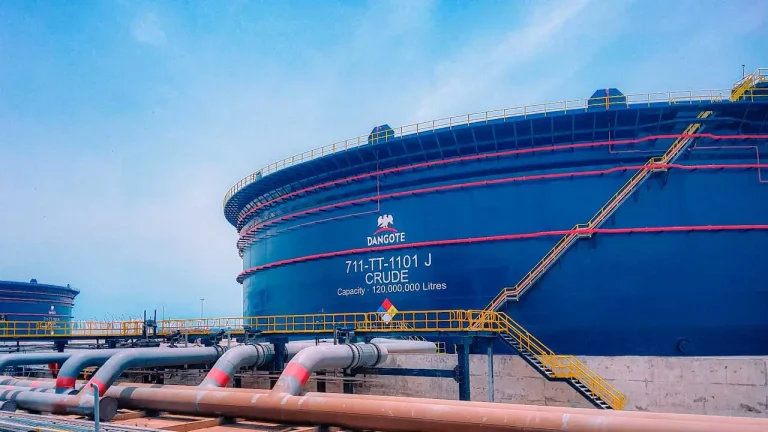
Despite the huge infrastructure deficits and security challenges bedevilling Nigeria, investors across the world have pledged to invest over $100 billion in the Nigerian market.
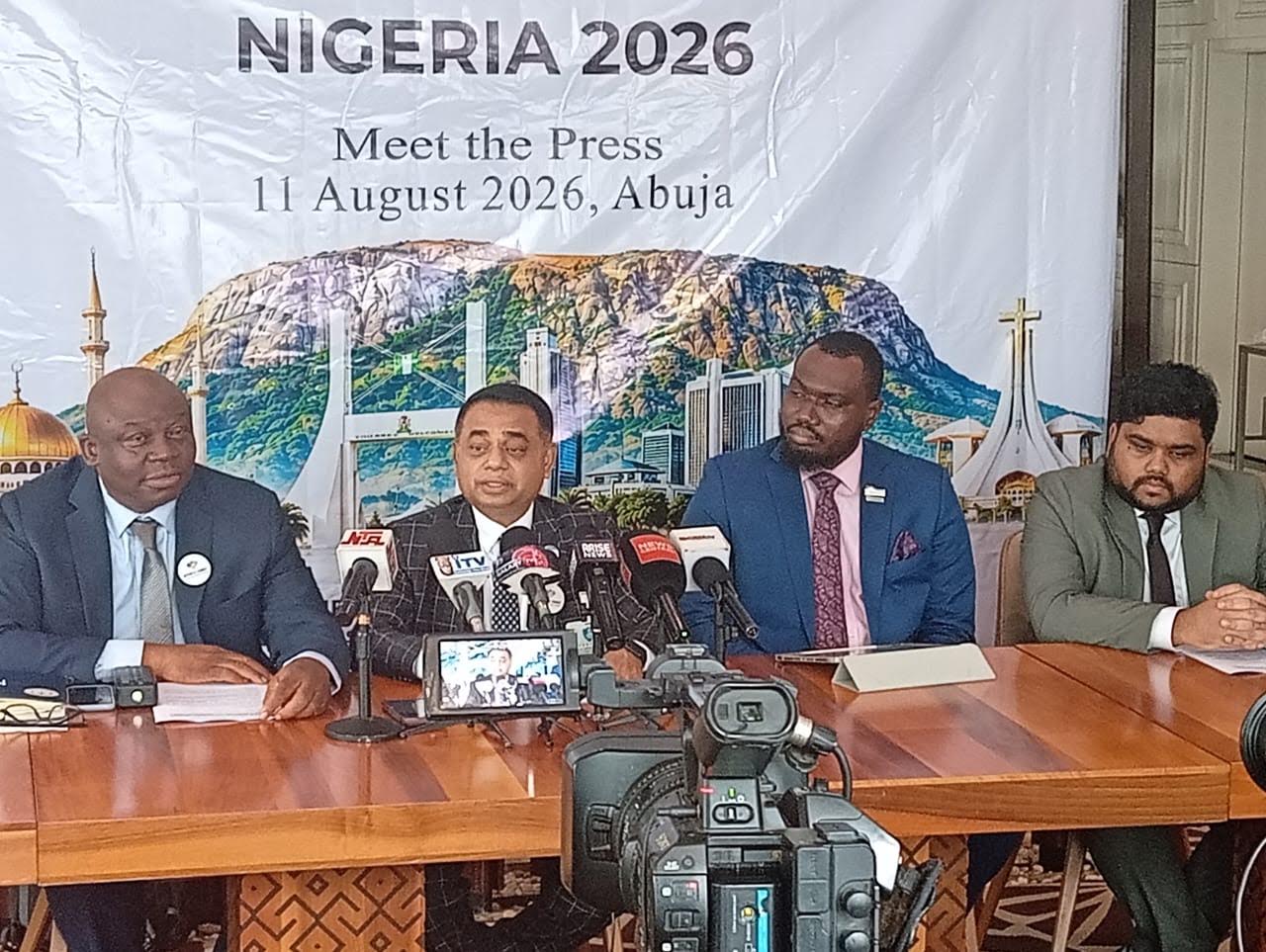
Addressing journalists in Abuja today, the President of Business Summit Group, Haider Uzzaman, acknowledged the country’s infrastructure deficit, saying there is over $58 trillion in idle funds globally and investors are seeking business opportunities to deploy the funds.
According to him, apart from its huge oil and gas deposits, Nigeria has a population of over 200 million people, which provides a significant market advantage over many other nations.
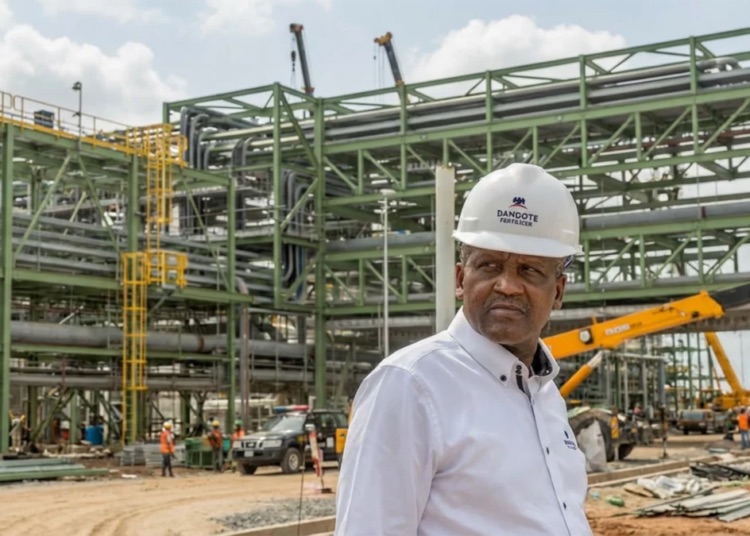
He said they are encouraged by the successes of Aliko Dangote, Tony Elumelu and other international business billionaires who have achieved success in Nigeria.
Uzzaman also said the investment portfolio is targeted at a broad range of properly structured and existing projects with viable business models in the oil and gas, technology, renewable energy, agriculture and mining sectors.
Other target sectors include infrastructure, tourism and hospitality, human capital development, education and healthcare.
The president noted that despite its security and infrastructure challenges, Nigeria remains an investment destination of choice, citing the country’s oil production capacity and market size of more than 200 million people as major attractions for investors.
On electricity generation, Uzzaman said the current level of investment in the sector is “completely unacceptable”, despite the government’s liberalisation policy.
With the Plateau State Government already taking the lead through investment commitments valued at over $1 billion in the past six months, the group is calling on other state governments, project owners and business leaders in Nigeria to take advantage of the opportunities.
Other News
The two-day summit, scheduled for November 10 and 11, 2026, in Abuja, will bring together international investors and business leaders from more than 50 countries. He added that the proposed investments would cover critical sectors of the Nigerian economy, including oil and gas, green energy, technology, healthcare, agriculture, mining, infrastructure, education and human capital development, artificial intelligence and fintech.
The summit is also designed to create direct investment opportunities by connecting international investors with Nigerian businesses, state governments and investment agencies seeking foreign direct investment and access to global markets.
He urged Nigerian companies, particularly medium and large-scale enterprises, as well as state governments with investment-ready projects, to participate in the summit.
“Investors like projects that have track records for expansion and new production lines,” Uzzaman said, noting that projects capable of immediate implementation would receive priority.
He disclosed that 25 Nigerian companies and state governments participated in the previous summit in Bangkok, Thailand, last year, where Nigerian participants reportedly requested that the next edition be hosted in Nigeria.
Uzzaman and the Vice President of Business Summit Group in Nigeria, Mr Innocent Obande, said Plateau State had secured investment commitments worth over $1 billion in the past six months following its participation in the Bangkok summit.
The organisers said registration had formally opened for companies, state governments and government investment agencies seeking one-on-one meetings with participating investors.
Meanwhile, he said Liberian President Joseph Boakai had expressed interest in participating in the summit, while the President of the Republic of Liberland, Vit Jedlička, had confirmed his attendance with a delegation.
Uzzaman further explained that investors expected at the Abuja meeting would come from the United States, Canada, Brazil, Argentina, Guyana, Trinidad and Tobago, Portugal, the United Kingdom, Switzerland, Germany, Lithuania, Latvia, Turkey, the Middle East and Gulf Cooperation Council countries, as well as Bangladesh, Pakistan, India, Singapore, Hong Kong, China, Taiwan, South Korea, Japan and Australia, among other countries.