Follow Us on Google

From Fred Ezeh, Abuja
Representatives of different faiths in Nigeria have expressed optimism and confidence in the ability and capacity of the Independent National Electoral Commission (INEC) to conduct peaceful and credible elections next year.
The religious leaders, however, stated that, to achieve the desired success, all stakeholders particularly the INEC and religious leaders must commit to the success of the polls.
The suggestions was contained in a communique released at the end of sensitization and capacity building workshop organized for religious leaders, civil society organizations and policymakers towards peaceful 2023 general elections in Abuja, on Thursday.
The communique which was jointly signed by Bishop Sunday Onuoha and Alhaji Sanni Kunle, recommended that INEC provide adequate trainings for their personnel on the use of the BVAS, including providing adequate internet facility to ensure uninterrupted connection to the server, and additionally, provide prompt alternatives to faulty BVAS where necessary.
It added: “INEC must ensure that every Nigerian who duly registered to vote in 2023 elections receive his/her voter’s card in his/her respective polling units before the elections, and there should be unwavering commitment of all stakeholders in the electoral process including citizens to ensure peaceful, credible and transparent elections.
“Similarly, there should be effective collaboration among all critical stakeholders before, during and after the elections with regards to planning, deployments, voter education, monitoring and information sharing, as well as reduced incidences of electoral violence through full implementation of the electoral act and adequate deployment of security forces to identified vulnerable locations.”
The religious leaders, however, urged the security agencies to collaborate with other stakeholders in the communities for intelligence gathering to strengthen rapid response mechanism and avoid breakdown of law and order.
“There should also be improve funding, timeliness and effectiveness of voter education and awareness for citizens especially in the grassroots by INEC and other stakeholders; while religious leaders, traditional rulers and faith communities were enjoined to live up to their responsibilities as custodians of community values and peaceful coexistence.”
It was also suggested that future electoral acts should be modified to consider giving Nigerians in the Diaspora the right to vote, making reference data from Nigerians in Diaspora Commission (NIDCOM), which indicated that there are over 17 million Nigerians in Diaspora without voting right.
“Records have it that these people contributed over $20bn to the economy of Nigeria in 2021, obviously, above Foreign Direct Investment (FDI). This staggering number and contribution of Nigerian Diaspora community should necessitate the review of the Electoral Act to consider Diaspora voting in the near future.”
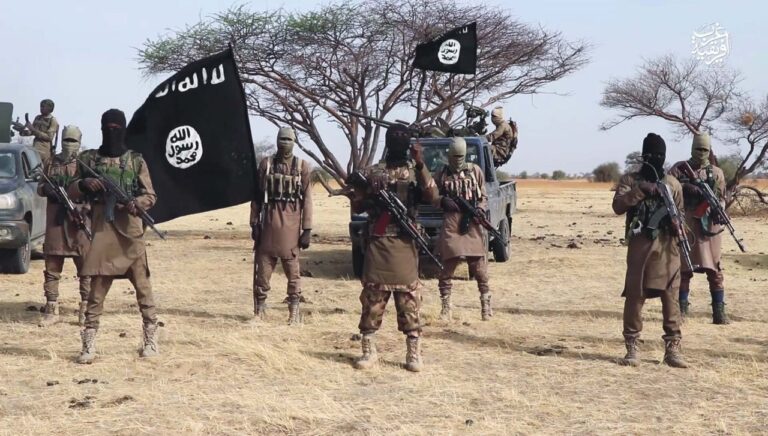
The religious leaders thus asked the Federal Government to put a serious check on the rising insecurity in some states, stressing that existing tensions and violence in states affected by farmer-herdsmen conflicts, terrorism, banditry/kidnapping may trigger electoral violence if unchecked.