Follow Us on Google

From Okey Sampson, Umuahia
A group, the World Ndịgbo Union (WNU), said the panacea for insecurity in the country is the establishment of regional and not state police as was the case between 1955 and 1966.
WNU, in a statement signed by its President, Ben Nwankwo and Secretary, Chief Charles Edemuzo, said state police will never be the answer to insecurity in the country.
“We stand firmly with millions of Nigerians who are weary of endless insecurity, bloodshed, kidnappings, banditry, and the daily erosion of trust in our national institutions.
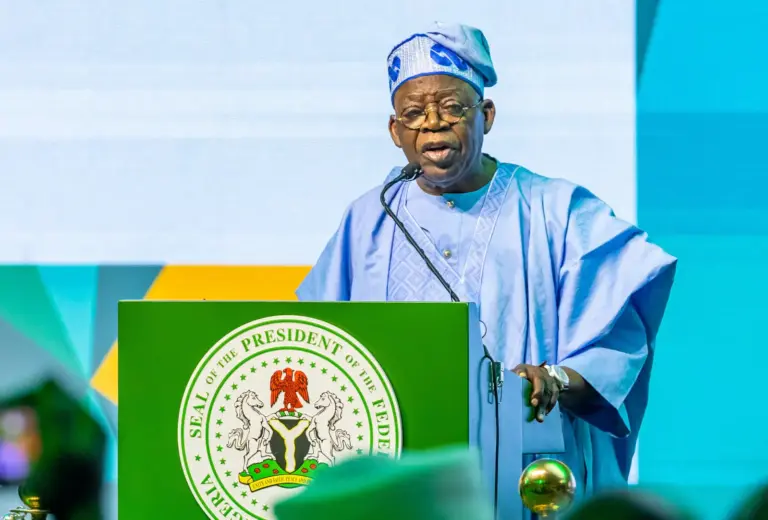
“As the debate on decentralising policing intensifies—with President Bola Tinubu rightly urging constitutional amendments for state police, we assert, unequivocally, that state police is not the answer. Regional police, modeled on the successful architecture of 1955–1966, is the minimum requirement for meaningful reform.”
WNU went further to say that, “Nigeria’s most progressive, productive, and peaceful era occurred between 1955 and 1966, when the Northern, Western, and Eastern Regions operated with substantial autonomy, including their own regional police forces.
Other News
“Indigenous officers policed familiar terrain, spoke local languages, and drew on deep community knowledge. This system fostered rapid development unmatched to this day: world-class universities, booming agriculture, industrial growth, and competitive regional governance that drove national prosperity”, the statement added.
The group stated that the centralisation of the police imposed after 1966, dismantled that effective model, replacing it with a distant, overstretched national force often commanded by officers alien to the regions they serve.
It added that the absurdity of dispatching a Fulani police commissioner, for instance, answerable solely to Abuja, to police places like Ibibio land, Igbo communities, or any unfamiliar cultural landscape was not just inefficient, but a recipe for alienation, mistrust, and escalated insecurity.
“Effective policing worldwide relies on local knowledge of language, customs, geography, and relationships and not remote directives from the centre.”
NWU stressed that regional police would, among other things, empower officers indigenous to their geopolitical zones to lead security efforts with cultural competence and community trust.
It called on President Bola Tinubu and the National Assembly to prioritise constitutional amendments enabling regional police structures over piecemeal state-level experiments.