Follow Us on Google
By Chinwendu Obienyi
Nigeria’s benchmark interest rate is likely to remain elevated in 2026 even as inflation shows signs of easing, according to PricewaterhouseCoopers (PwC) Nigeria, which says liquidity risks and external shocks continue to threaten price stability.
The projection comes as key macroeconomic indicators begin to align. Inflation slowed to 15.15 per cent in December 2025, while the economy expanded by 3.98 per cent in the third quarter, its strongest quarterly growth in years.
Both the World Bank and the International Monetary Fund (IMF) expect Africa’s largest economy to post its fastest annual growth in more than a decade this year.
Yet the improving data has yet to translate into widespread relief for households and businesses grappling with high borrowing costs, weak consumer demand and elevated living expenses.
Speaking at the PwC–BusinessDay Executive Roundtable on Nigeria’s 2026 budget and economic outlook in Lagos on Thursday, Chief Economist and Head of strategy at PwC, Olusegun Zaccheaus, said expectations of aggressive interest-rate cuts may be premature.
“Interest rates may remain elevated despite inflation cooling for most of 2025,” Zaccheaus said. “Perhaps not by the 500 basis points some hope for, due to the need to manage liquidity.”
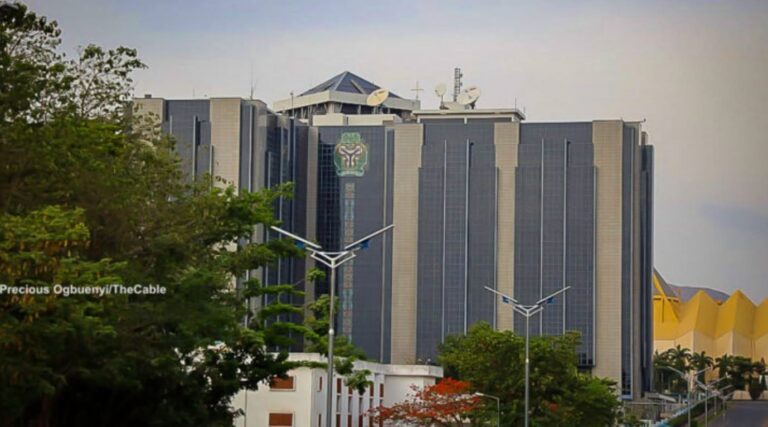
The apex bank raised its benchmark rate aggressively over the past two years in a bid to rein in inflation and stabilise the naira following currency reforms and the removal of fuel subsidies.
While headline inflation has moderated, PwC warned that underlying risks, including exchange-rate volatility, fiscal pressures and global uncertainty, continue to complicate the outlook.
A major challenge for the CBN will be to control the volume of money circulating in the economy, Zaccheaus said.
Other News
According to him, liquidity management remains critical as excess cash can quickly undermine dis-inflation efforts.
Already the country’s currency outside the banking system closed last year at a record high of N5.4 trillion. Explaining further, Zaccheaus said that Nigeria typically experiences rapid growth in money supply ahead of election cycles, driven by increased government spending and political activity. He added that without careful coordination, such expansions risk fueling inflation and weakening investor confidence.
“The responsibility of the central bank is to ensure liquidity does not grow in a way that has a negative macroeconomic impact,” Zaccheaus said.
On foreign exchange, PwC struck a more optimistic tone, projecting relative stability in 2026 following reforms that unified Nigeria’s multiple exchange rates and boosted dollar inflows through official channels.
A stable currency environment would support improved capital allocation and investment planning, the firm said, provided economic policies remain predictable and consistently implemented.
“FX stability is crucial,” Zaccheaus said. “It gives investors confidence and allows businesses to plan. But that stability depends on disciplined policy execution.”
Nigeria has attracted renewed portfolio inflows in recent months as tighter monetary policy and higher yields improved returns for foreign investors. Still, the firm cautioned that the recovery remains fragile and vulnerable to swings in global risk appetite, oil prices and domestic fiscal slippages.
Despite stronger growth forecasts, PwC said for growth to become more inclusive, fiscal and monetary authorities must align reforms, deepen private sector participation and maintain policy credibility.
“The numbers are improving. The task now is converting macroeconomic progress into tangible outcomes for businesses and households”, Zaccheaus said.