Follow Us on Google

By Adebowale Johnson
Long before airports, luxury hotels and digital booking platforms became central to global travel, ancient civilizations depended on gatekeepers to regulate access, preserve order, and shape the experience of visitors entering their territories. Today, within the evolving architecture of Africa’s tourism industry, hospitality professionals are increasingly assuming a similar strategic role, serving as the first human interface between nations and the millions of travellers seeking business, leisure, culture, and connection across the continent.
From hotel receptions to executive suites and guest relations desks, the quality of hospitality service now carries implications far beyond accommodation. It influences national image, visitor perception, tourism competitiveness, and economic growth.
This growing recognition of hospitality as a critical driver of tourism development is expected to dominate discussions at the forthcoming Hotel Managers Conference Africa, scheduled to hold from July 11 to 12, 2026, in Lagos.
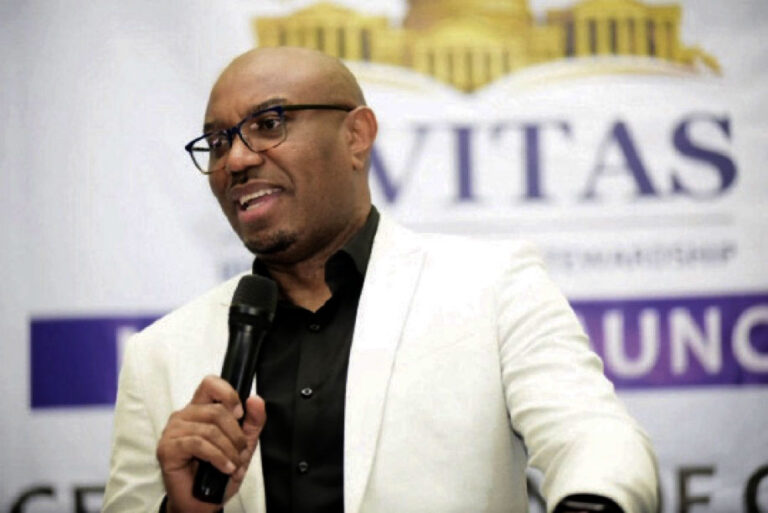
For the convener of the conference, Olugbenga Sunday, the hospitality industry occupies a central position in Africa’s effort to redefine its tourism identity and global appeal.
Speaking during Villa Square, a special segment of Cr8tive 9ja, the weekly tourism and culture programme aired on radio anchored by tourism journalist, Frank Meke, alongside Bunmi Bade Adeniji, Sunday described hospitality professionals as custodians of national experience and reputation.
He said: “When we discuss tourism at the national level, we must prioritize the hospitality sector because of the critical role it plays in shaping the overall tourism experience.
“Hospitality professionals serve as the interface between a country and its visitors, and their service delivery greatly influences tourists’ perceptions and the image of the nation.”
His remarks come at a period when several African countries, including Nigeria, are intensifying efforts to reposition tourism as a viable economic diversification strategy amid growing global competition for international visitors, conferences, investments, and cultural exchange opportunities.
Industry observers note that while destinations may possess rich cultural heritage, attractive landscapes, and vibrant entertainment ecosystems, poor hospitality experience can significantly diminish visitors’ perception and reduce repeat tourism potential.
Against this backdrop, the Hotel Managers Conference Africa has gradually evolved into one of the continent’s leading platforms dedicated to strengthening professionalism, service culture, operational efficiency, and guest experience within the hospitality sector.
Founded in 2016 in Akwa Ibom State, the conference has expanded steadily despite the disruption caused by the COVID-19 pandemic, which temporarily affected hospitality operations globally. Over the years, it has become a meeting point for hotel executives, managers, tourism stakeholders, and hospitality professionals seeking to align African hospitality practice with international standards.
According to Sunday, the vision behind the conference extends beyond networking and industry recognition.
Other News
He explained: “The conference was created to expose hospitality professionals to global best practices while fostering collaboration within the industry.
“The workshops and discussions are built around guest experience because guest experience remains the heart of hospitality. It is about service delivery, how customers are treated, and the lasting impression they leave with after interacting with a brand.”
This year’s edition is expected to feature keynote sessions, panel discussions, workshops, and strategic networking engagements focused on innovation, customer satisfaction, operational sustainability, leadership, and emerging trends shaping the future of hospitality in Africa.
Among speakers expected at the conference are Wasiu Adeyemo Babalola, Nigeria’s first professor of hotel management and tourism and a scholar at Atiba University; Karl Hala; Ahmed Raza; Justina Ovat; and Martin Bredenoord, alongside other industry experts and hospitality executives from across Africa and beyond.
The conference has also continued to attract growing corporate interest, reflecting increasing recognition of hospitality as a significant contributor to economic activity and service-sector expansion. One of the corporate organisations supporting the initiative is OPay, which, according to Sunday, is exploring opportunities to deepen digital payment integration within the hospitality ecosystem.
He noted that improved payment infrastructure could help address operational inefficiencies while enhancing customer convenience across hotels and hospitality businesses.
Beyond technology and operations, however, stakeholders believe the future competitiveness of Africa’s hospitality sector will depend largely on human capital development, service consistency, and the ability of local operators to build globally respected brands rooted in African identity and cultural authenticity.
Sunday expressed optimism that the continent is gradually moving in that direction.
“When you look at the Nigerian hospitality landscape today, you can clearly see remarkable progress in manpower development, service delivery, and culinary excellence,” he said.
“Lagos, for instance, hosts several leading international hospitality brands, reflecting the significant growth taking place within the sector. At the same time, local brands are making remarkable progress.”
According to him, Africa’s hospitality evolution is increasingly being driven by a renewed embrace of indigenous culture, cuisine, creativity, and heritage as tools for global positioning.
As tourism markets across the world become increasingly experience-driven, analysts say hospitality institutions that successfully combine efficiency with authentic cultural storytelling may ultimately define Africa’s competitive advantage in the global tourism economy.
For many industry players, the Hotel Managers Conference Africa, therefore, represents more than another industry gathering. It reflects a broader attempt to reshape service culture, elevate professional standards and position African hospitality as a strategic instrument for tourism growth, investment attraction and continental rebranding in the years ahead.