Follow Us on Google
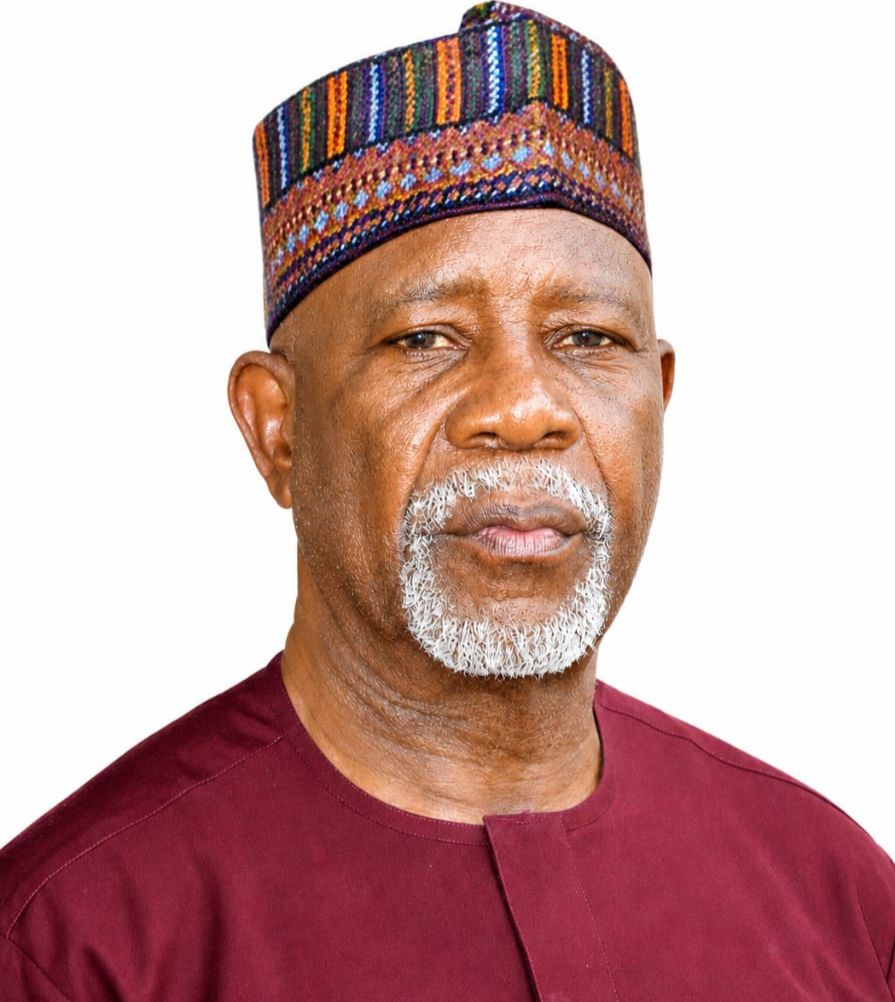
While Nigeria’s federal character debate usually plays out along the familiar North-South and Muslim-Christian fault lines, a People’s Redemption Party (PRP) presidential aspirant, Yakubu Kingsley, is staking his appointments policy on a different constituency: the country’s smaller and indigenous communities that he says both major blocs routinely overlook.
Unveiling his “YMK Nigeria Project” in a statement issued in Abuja, Kingsley named groups such as the Berom, Gbagyi, Tiv, Idoma, Igala, Ebira, Nupe, Jukun, Tangale, Waja, Bachama and Kanuri in the North, and the Ijaw, Efik, Ibibio, Annang, Ogoni, Itsekiri, Urhobo, Isoko and Esan in the South, as beneficiaries of his political blueprint.
He argued that federal character calculations have historically stopped at the level of Nigeria’s dominant ethnic blocs while these communities are left out of the reckoning entirely.
“No Nigerian is too small to matter, and no community is too small to be heard,” he said.
The intervention lands at an unusual moment for Kingsley, who is still awaiting a Federal High Court judgement on 2 November 2026 in a dispute over the PRP’s presidential primary, and who continues to challenge Donald Duke’s declaration as winner of the 25 May presidential poll.
Other News
With the party’s flagbearer question still unresolved just weeks before that ruling, the policy rollout doubles as a statement of political intent, positioning Kingsley as a candidate with a governing agenda even while his claim to the PRP ticket remains contested in court.
Beyond the minority-inclusion argument, Kingsley’s framework proposes five guiding principles for public appointments based on merit, integrity, representation, transparency and accountability and a public system that would let Nigerians independently verify the geographical and professional spread of government hires, replacing what he described as the recurring accusations that trail federal appointments under successive administrations.
He extended the same inclusion logic to women, young Nigerians, persons with disabilities and the diaspora, saying they must have “meaningful opportunities to participate in leadership,” while insisting government itself must remain “constitutionally neutral” on religion and partisan politics even as it consults political, religious, traditional and civil society interests.
Whether the proposal gains traction may depend less on its substance than on the outcome awaiting Kingsley in court on 2 November for the ruling that will determine whether he has a platform left from which to implement it.