Follow Us on Google
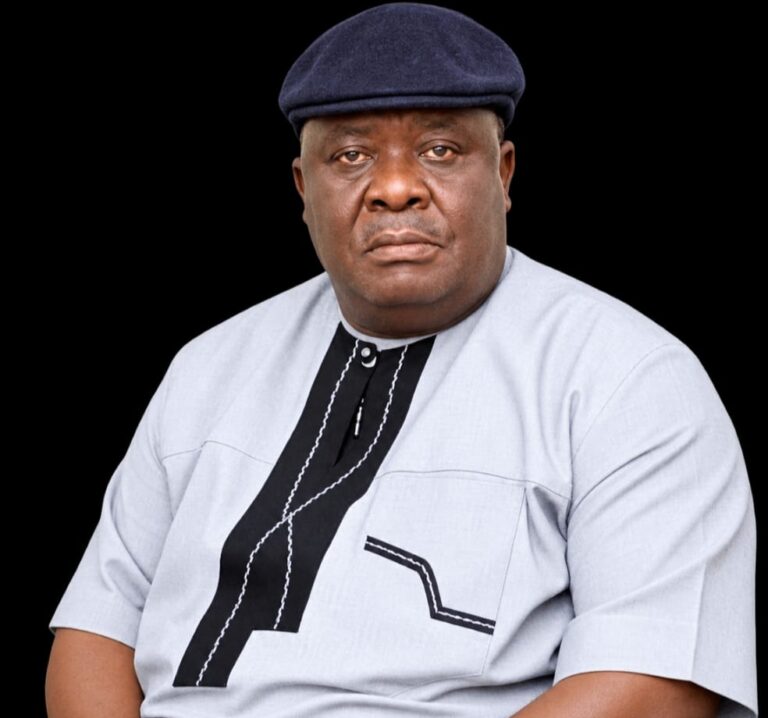
Professor Remi Aiyede, a renowned political scientist in the University of Ibadan has emerged as the 21st President of the Nigerian Political Science Association (NPSA).
Aiyede, a Professor of Political Institutuons, Governance and Public Policy and one time Head of Department, Political Science, University Ibadan emerged in a consensus arrangnent at the 35th Conference of the association following the end of tenure of the Prof Hassan Saliu-led executive council.
The chairman of the Electoral Committee for the election , Prof Alade Fawole, formerly of department of lnternational Relations OAU now of Department of Political Science, University of llesa annouced the election of Aiyede.
In line with the tradition of NPSA that the host institution must holds three principal positions, Prof Olubukola Stella Adesina and Dr Stephen Lafenwa both of the Department of Political Science, University of Ibadan also emerged through consensus as Treasurer and General Secretary respectively.
Other officers that emerged through
consensus are Profs Murtala Mohammed Vice President; Robert Dode, Assistant Secretary; Yusuf Musa,Financial Secretary and Rahanat Lawal Auditor,
Othes Profs Ike Alumona, Public Relations Officer and Jaja Nwanegbo as Director of Research.
Also elected are Dr Ibrahim Mohammed Nasiru Legal Adviser; Ex officio 1,Prof Hassan Saliu; being the outgoing president and Dr Ejura Egwumi Ex Officio 2.
Aiyede in a post-election statement expressed deep appreciation to the Prof Hassan Saliu- led Executive for collaborating with the Department of Political Science, University of Ibadan, to co-organise the conference and the seamless transition.
He also pledged that the new NPSA leadership would build on the momentum of the 35th conference “to strengthen the Association, deepen academic engagement, expand opportunities for younger scholars, and uphold the values of scholarship, integrity, and collegiality that define us”.
In his keynote remarks, Chairman of the Conference,Chairman of the Federal Civil Service Commission, Prof. Tunji Olaopa said Nigeria’s democratic trajectory since 1999 requires continuous and critical reflection, particularly as the nation approaches the 2027 general elections.
Other News
He challenged political scientists to interrogate the ideological foundations of Nigerian politics and governance, arguing that democratic consolidation would remain elusive without a clear national vision and political philosophy.
“What ideological basis ought to form the foundation of the type of politics that the Nigerian political class deploys for governance purposes? This is a crucial question as the polity begins to heat up ahead of the 2027 elections,” he said.
While expressing concern that Political Science as a discipline was becoming increasingly disconnected from the everyday realities confronting ordinary Nigerians, he advocated the review of the curriculum to bridge the gap between scholarly research and practical governance to become public-oriented.
“Political science must become more relevant to governance and public policy. The curriculum must embed practical skills that prepare graduates for public service, civil society, political consulting and other real-world engagements,” he said.