Follow Us on Google
On this year’s anniversary of World Sickle Cell Day, commemorated on June 19, Nigeria was confronted once again with an uncomfortable reality: the country carries the world’s heaviest burden of sickle cell disease. But many of the tragedies associated with it are preventable.
The distressing story of Kawthar Abdulazeez is a national wakeup call. Thirteen years ago, she reportedly received a genotype result showing that she was AA. Armed with that assurance, she married her AS partner and started a family. Years later, she discovered that her genotype was actually SC. Today, her two daughters live with sickle cell disease. This could have been avoided.
For Adewole, a second test just before marriage saved him from a similar fate. These and countless other stories underscore a growing public health challenge that fuels Nigeria’s sickle cell epidemic.
About 150,000 babies are reportedly born with sickle cell disease in Nigeria every year, while an estimated 40 million Nigerians carry the sickle cell trait. No other country bears such a heavy burden. Globally, between 300,000 and 500,000 babies are born annually with the disease.
Inadequate public awareness, poor access to genetic counselling, weak health systems, inconsistent newborn screening programmes, and unreliable diagnostic services have all contributed to the persistence of the disease. Also, deeply rooted misconceptions and superstitious beliefs continue to cloud public understanding of a condition whose cause is clearly established by science.
Inaccurate genotype testing is most troubling. Experts cited in a recent report estimate that diagnostic failures may account for more than 40 per cent of genotype testing outcomes in some settings. Antiquated testing methods, inadequate expertise, poor quality assurance systems, unethical laboratory practices, and even deliberate falsification of results have all been identified as contributing factors.
The consequences can be devastating.
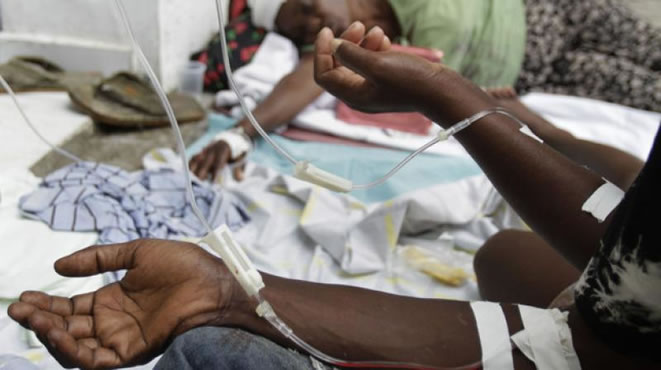
Wrong genotype results have destroyed relationships, shattered marriages and condemned innocent children to lives of recurrent pain, hospital admissions and uncertainty. Couples who believed they were genetically compatible have discovered, often after childbirth, that they were not. Some have suffered emotional trauma and financial hardship because of laboratory errors that should never have occurred. Others have watched helplessly as their children battled complications that could have been prevented through accurate testing and informed decision-making.
Other News
The burden on the nation is enormous. Sickle cell disease remains one of the leading causes of childhood illness and death in Nigeria. Thousands of children die prematurely from complications linked to the disease, while many others endure chronic pain, stroke, organ damage and repeated hospitalisation. Families, often without health insurance, spend substantial portions of their income on treatment and care, pushing already vulnerable households deeper into poverty.
These deaths and hardships are avoidable. Sickle cell disease is an inherited condition. A child develops the disease only when both parents pass on the abnormal sickle cell gene. This simple scientific reality means that the disease is largely preventable through accurate genotype testing, genetic counselling, informed reproductive choices and early screening.
Yet prevention remains undermined by ignorance and superstition. In some communities, sickle cell disease is still attributed to curses, spiritual attacks or mysterious forces rather than genetics. Such beliefs discourage families from seeking medical advice and divert attention from practical preventive measures. Public enlightenment must therefore become as important as medical intervention.
Sickle cell disease is a national public health emergency. It requires coordinated action. Health authorities must urgently strengthen regulation of laboratories and diagnostic services. Federal and state governments should enforce strict accreditation standards, mandatory quality control measures and regular inspections of laboratories conducting genotype testing. Modern diagnostic technologies should replace outdated methods that are prone to error.
Laboratory practitioners found guilty of negligence, falsification or professional misconduct should face appropriate sanctions. Every Nigerian should know their genotype long before marriage. Mandatory newborn screening should also be expanded nationwide to ensure early diagnosis and timely intervention.
Government at the federal, state and local levels must lead sustained public education campaigns on sickle cell disease. Such campaigns should explain the causes of the disease, its impact on individuals and families, the importance of genotype compatibility, and the preventive steps available. Schools, religious institutions, traditional rulers, community organisations and the media should be mobilised as partners in this effort.
On this World Sickle Cell Day, Nigeria must move beyond awareness campaigns and annual commemorations. The country needs stronger laboratory regulation, better diagnostic infrastructure, expanded screening programmes and continuous public education. No child should be born into a lifetime of preventable pain because of a false laboratory result, ignorance of genotype status, or the failure of public institutions to educate and protect citizens.
The science is clear. The tools are available. The solutions are known. What is required now is the political will and collective determination to ensure that future generations are spared a preventable burden.