Follow Us on Google
By Doris Obinna
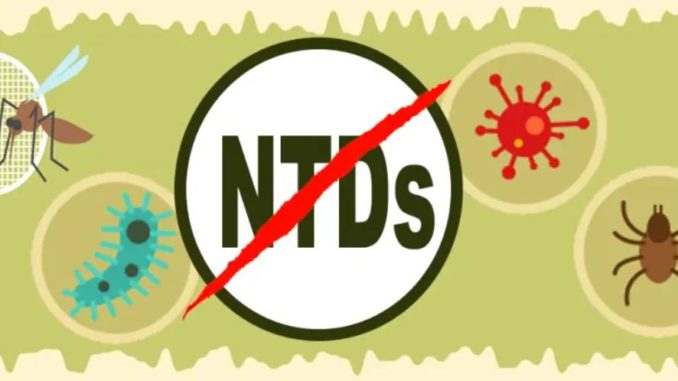
Neglected Tropical Diseases (NTDs) are a diverse group of about 20 ancient, poverty-driven illnesses like leprosy, dengue, rabies and river blindness, affecting marginalised communities in tropical regions, causing significant health, social and economic devastation due to a lack of attention and resources.
These conditions, according to World Health Organisation (WHO) caused by viruses, bacteria, parasites and fungi, thrive in poor sanitation and lack of clean water, disproportionately impacting those with limited political influence.
World Neglected Tropical Disease Day observed annually on January 30 is to raise awareness about the impact of NTDs on vulnerable populations and to drive global action toward their elimination. The date commemorates the 2012 London on NTDs.
Healthcare workers on the front lines of the global snakebite crisis are being failed by weak health systems, chronic shortages of antivenom and inadequate training, according to a new report released to mark World Neglected Tropical Diseases Day.
The report, published on January 28 by the Strike Out Snakebite (SOS) global initiative, warns that snakebite envenoming remains one of the world’s deadliest yet most overlooked neglected tropical diseases, killing one person every five minutes despite being both preventable and treatable.
Based on a survey of 904 healthcare workers across Brazil, Nigeria, India and Indonesia, the findings reveal widespread systemic challenges that are undermining efforts to prevent deaths and long-term disability. In Nigeria alone, 98 per cent of healthcare workers surveyed reported difficulties administering antivenom, the only WHO listed essential medicine for treating snakebite envenoming. Half said their facilities lack the full capacity to treat snakebite patients, while 39 per cent reported daily shortages of antivenom.
Snakebite envenoming accounts for nearly half of the global burden of all neglected tropical diseases, causing up to 138,000 deaths and an estimated 400,000 permanent disabilities each year. Yet the condition receives only a fraction of the funding allocated to other global health priorities.
Snakebite, crisis of inequality
The report highlights snakebite as a crisis of inequality, disproportionately affecting rural and impoverished communities. Children, agricultural workers and families living far from health facilities are most at risk, often facing long journeys to care, poorly equipped clinics and high out-of-pocket costs for treatment. These barriers frequently turn a survivable injury into a fatal emergency.
Other News
Among Nigerian healthcare workers surveyed, 56 per cent cited poor infrastructure and inadequate equipment, increasing the risk of complications such as limb loss, blindness and chronic neurological injury. Life-threatening delays in seeking treatment were reported by 82 per cent of respondents, often because patients first seek help from traditional or alternative healers. More than 40 per cent said uncertainty about the type of snake involved made antivenom administration more difficult.
The human cost of these delays is severe. Nearly half of healthcare workers surveyed reported avoidable delays that resulted in amputations or major surgery, outcomes that can trap families in long-term poverty.
Chancellor of the Liverpool School of Tropical Medicine and co-Chair of the Global Snakebite Taskforce, Elhadj As Sy, as quoted in the report, said the report exposed the reality faced by frontline workers. He said global health discussions too often overlook those delivering care in the most challenging settings, adding that political will and sustained investment are urgently needed to address a disease that is both preventable and treatable.
Alongside the report, SOS released a short film titled Snakebite: from Science to Survival, featuring testimony from doctors, researchers, snake handlers and survivors. One of the featured clinicians, from Kenya, described snakebite as a medical emergency that requires immediate and appropriate treatment. He said delays, particularly when patients first seek care from traditional healers, often prove fatal.
Preventive measures
Simple preventative measures, such as wearing protective footwear, using mosquito nets while sleeping, carrying a torch at night and avoiding known snake habitats, can significantly reduce the risk of bites, the report notes. Rapid access to care and timely administration of antivenom remain the most effective ways to save lives.
The report also raises concerns about the sustainability of global investment. Currently, just two funders provide around 65 per cent of global investment into snakebite research and development. Healthcare workers surveyed called for urgent international action, including expanded antivenom research and manufacturing, improved training, better data collection, stronger collaboration between governments and health systems, and increased community education.
SOS argues that solutions already exist. Pooling resources to purchase antivenom, producing it in regional hubs, and integrating snakebite prevention and treatment into national health strategies could stabilise supply, lower costs and strengthen health systems more broadly.
SOS was launched in 2025 to drive action across research and development, antivenom access, public health and advocacy, in line with the WHO’s goal of halving snakebite deaths and disabilities by 2030.
The report concludes that no one should be dying from snakebite envenoming, describing the crisis as a moral imperative that demands immediate and coordinated global action.