Follow Us on Google
From Juliana Taiwo-Obalonye, Abuja
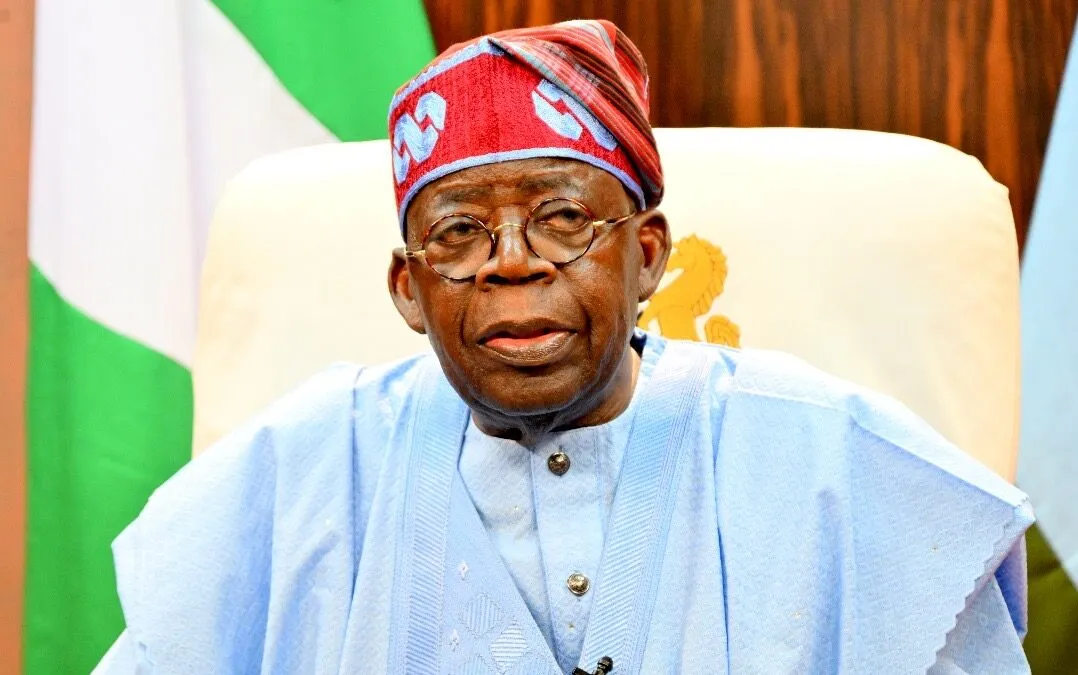
Civil Society Legislative Advocacy Centre (CISLAC) has issued a sharp rebuke of President Bola Tinubu’s recent pardon of 175 convicts, warning that the gesture risks demoralising law enforcement officers and sending a dangerous message to Nigerians and the international community.
In a strongly worded statement, CISLAC Executive Director Comrade Auwal Ibrahim Rafsanjani described the presidential clemency as “legally questionable, morally wrong, and damaging to Nigeria’s image both locally and internationally.”
“This sends a terrible message to officers who risked their lives to bring these criminals to justice—how can they be motivated when their work is undone overnight with a single signature?” Rafsanjani questioned, underscoring the potential impact on agencies like EFCC, ICPC, NDLEA, and the police.
Among those pardoned are high-profile offenders such as former Delta State Governor James Ibori—convicted in the UK—as well as individuals involved in oil theft, kidnapping, and illegal mining.
CISLAC noted that some were convicted abroad without Nigerian jurisdiction, asserting, “You cannot pardon someone convicted by a foreign court when Nigerian jurisdiction wasn’t involved in the conviction. That is beyond the constitutional powers of the Nigerian president.”
The organisation warned that the clemency could undermine Nigeria’s international collaborations in anti-corruption and narcotics control, areas reliant on foreign intelligence and legal assistance.
Other News
“Pardoning individuals convicted for drug trafficking, financial crimes, and other serious offences sends the wrong signal to Nigeria’s international partners and undermines the credibility of our justice system,” they said.
CISLAC also decried the contrast between the quick pardons granted to serious offenders and the ongoing neglect of thousands of poor Nigerians who remain imprisoned without trial, some for over a decade. “You have people in prison for petty crimes or no trial at all for 10 to 20 years, but here we are watching the state extend mercy to individuals who have done real damage to the economy and the social fabric of the country,” CISLAC lamented.
While the government justified the pardons based on good behaviour, vocational skills acquisition, old age, and remorse, CISLAC insisted that “forgiveness should not translate into exoneration.” Rafsanjani stressed, “Pardon implies that they never committed a crime, that they are no longer ex-convicts. That’s dangerous. These individuals can now sue if they’re labelled as ex-convicts. We are effectively rewriting history and absolving criminals of responsibility.”
The group also raised concerns about the potential resurgence of criminal activities, cautioning, “Some of these individuals may return to the very same criminal networks they were part of. This action will only strengthen the culture of impunity.”
Calling for a thorough review of the pardon process, CISLAC urged a transparent framework prioritising inmates awaiting trial and those convicted of non-violent offences. It concluded, “This is a serious lapse in judgment. Those who advised the president have done the country a disservice. National interest should come before political considerations.”
The Centre appealed to the federal government to reaffirm its commitment to justice, equity, and international cooperation, warning that continued disregard for due process would further erode Nigeria’s reputation globally.