Follow Us on Google

• Says military killed over 15,000 terrorists, bandits in 3 years
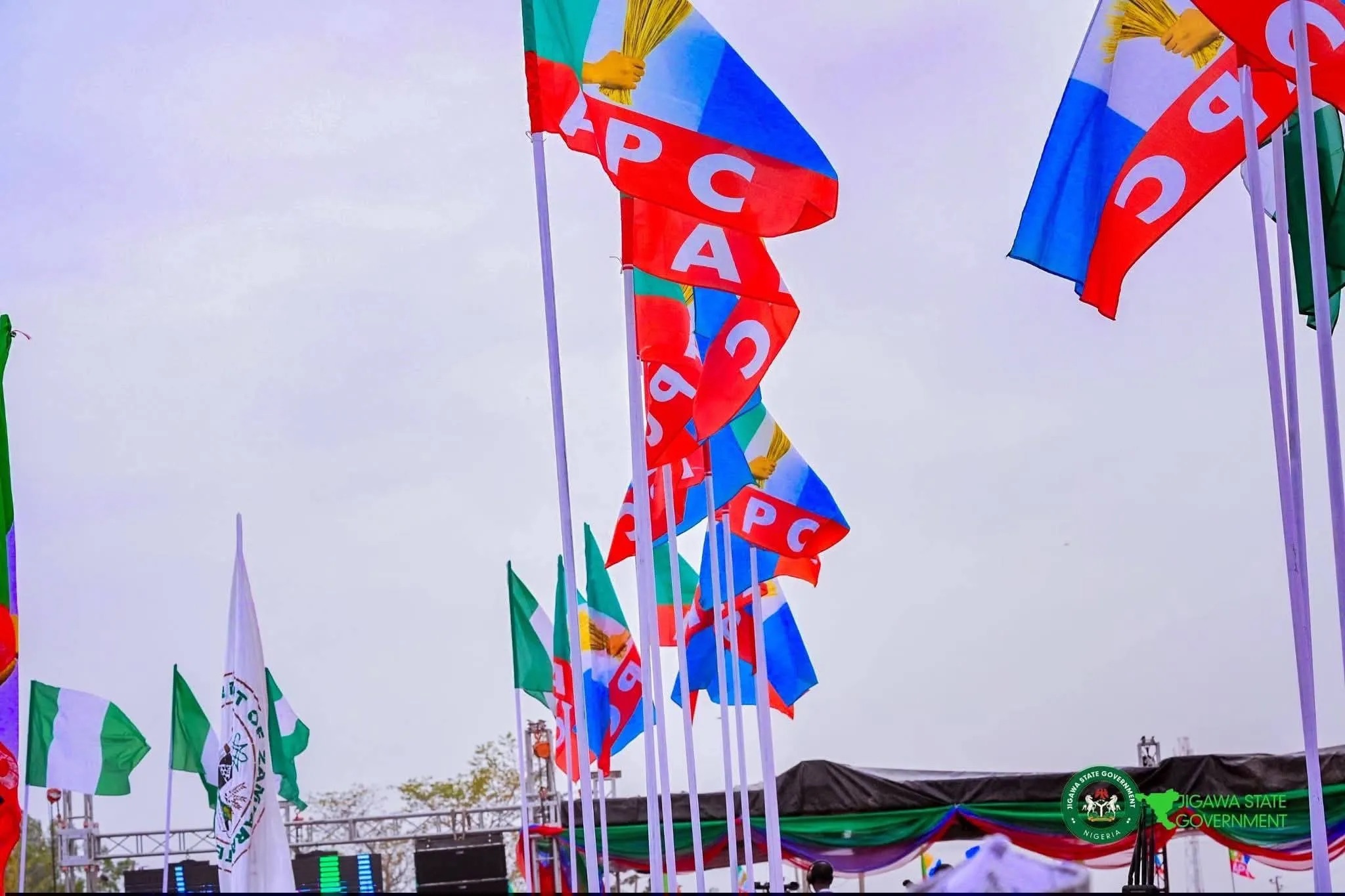
The All Progressives Congress Presidential Campaign Council has said President Bola Tinubu’s five-year Strategic Defence Operations Plan is ready, describing it as a framework for improving military operations and tackling terrorism, banditry, kidnapping and other security threats.
In a statement issued by its spokesperson, Dele Alake, yesterday, the council said the plan would align defence priorities, personnel requirements, equipment acquisition and expenditure with existing and emerging threats.
It said the initiative was intended to strengthen coordination among security agencies and shift the country’s response towards intelligence gathering, technology and the prevention of attacks.
“The plan provides a long-term framework for aligning defence priorities, operational requirements, capability development, and expenditure with Nigeria’s current and anticipated security challenges,” the council stated.
Tinubu had in August directed an inter-agency committee coordinated by his Special Adviser on Homeland Security, Major-General Adeyinka Famadewa, to prepare a national threat assessment and the rolling five-year defence plan.
The committee was given 90 days to submit both documents for presidential consideration and approval, with the plan expected to guide military operations, defence expenditure and procurement over the medium term.
The campaign council said military operations under the administration had resulted in the killing of more than 15,000 Boko Haram terrorists and bandits in the past three years.
It also reported the surrender of more than 130,000 Boko Haram fighters and dependants, describing military pressure and rehabilitation efforts as complementary approaches to addressing insecurity.
According to Alake, the administration was expanding military formations, training facilities and recruitment to address personnel shortages and improve the capacity of security agencies to respond to attacks.
He said Tinubu had approved four additional Army divisions and the restructuring of existing formations to expand operational coverage and decentralise military operations.
The Presidency announced in July that the expansion would increase the Army’s divisions from eight to 12, with new formations in Makurdi, Ilorin, Jalingo and Benin City. The implementation was scheduled in phases, extending to December 2026.
The council also cited the approval of two additional Army depots in Osogbo, Osun State, and Amasiri-Edda, Ebonyi State, saying each facility could accommodate 6,000 recruits at a time.
It said 5,210 recruits were undergoing training at the Osogbo facility, while the combined capacity of the two depots would enable the training of 12,000 recruits simultaneously.
“The expansion of training facilities is expected to reduce recruit turnaround time and increase the number of soldiers available for deployment,” it stated.
Alake said the President had approved the recruitment of an additional 28,000 soldiers and 50,000 police officers to strengthen military operations and internal security.
The council said the administration was also investing in accommodation and operational infrastructure to improve personnel welfare, citing a 700-unit military barracks project in Ikere-Ekiti, Ekiti State.
According to the statement, the project would provide accommodation and essential infrastructure to support military personnel and strengthen their operational presence in the area.
The council maintained that the defence plan would ensure security spending was guided by identified threats, operational requirements and national priorities.
“The plan is expected to strengthen combat readiness, address critical capability gaps, optimise available resources and minimise unnecessary expenditure and wastage,” it said.