Follow Us on Google

By Maduka Nweke
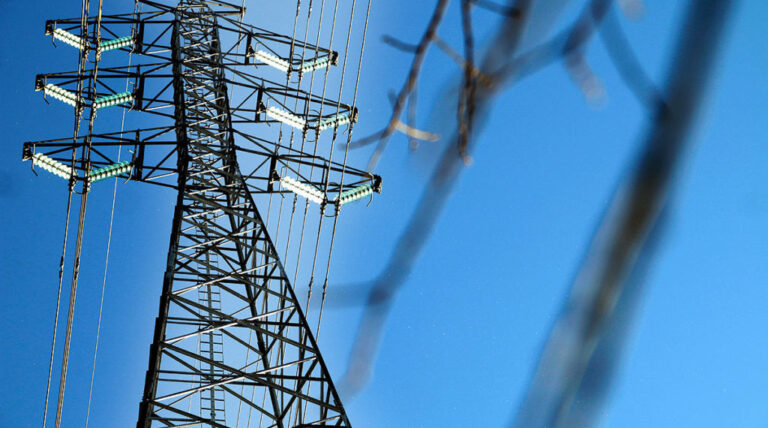
The persistent power outages crippling manufacturing operations have been identified as a key driver of escalating building material costs. This was the position of Mrs. Funmilade Akingbagbohun, former President Nigerian Institute of Mechanical Engineers, who spoke at the Property and Environmental Writers Association of Nigeria’s (PEWAN) Annual Lecture held recently in Lagos.
According to her, the escalating cost of building materials has cast a shadow over the housing sector, stifling developers’ annual output.
She noted that stable power generation and supply could go a long way in reducing the cost of developing housing units in the country. She pleaded with the government to end the energy crisis, a move that would alleviate the burden of exorbitant diesel costs on manufacturers and subsequently reduce the price of building materials.
She noted that the prevalent circumstances have forced manufacturers to naturally lean towards importing and selling the products manufactured in other countries in Nigeria.
“Regardless of these dire circumstances, housing and housing finance remains one of the most viable solution tools for economic revamp and transformation. Like food, shelter and housing remain as a basic human need that must be met by individuals and households. The huge housing and housing finance gaps portray enormous opportunities to revamp and reverse the fortunes of our national economy.
“There is no gainsaying highlighting the significant economic opportunities for forward and backward integration that housing has the capacity to engender in terms of requirements of building materials as well as household items. Equally significant is the huge capacity for job creation and employment. During the construction period, our in-house estimates indicate that constructing a 3-bedroom property can generate not less than 17 direct and indirect jobs.
According to Gaurav Vaswani, the Chief Executive Officer Sorrento Nigeria Limited, the problem of electricity in Nigeria has become a tormenting economic nightmare .
“The economic problem in developed countries is different because there you are able to sell power to the grid but that does not exist in Nigeria so that is just the drawback. Today, customers will invest in solar, the overall result for them is that the return on investment is very high. It takes a lot of times to get a return on investment. It does not only happen in solar investment, it also happens in batteries, it also happens in every other investment apart from the solar panels. So, it is a very high capital intensive expenditure for many individuals.
“Government can only help these individuals by allowing them to improve on their disposable income which is not the case in Nigeria because we see there are a lot of people who cannot even afford basic transport to where they want to go, people who cannot afford basic housing, those who cannot afford light bills. So the disposable income is not for these individuals. If the disposable income is not available to these individuals, they will not be able to invest in solar. That is what we feel is the main issue. And having said that, the problem is more economic in the sense that, if the Nigeria government allows low income earners to grow into middle income people then there will be more people making use of solar and more people investing into it. There could be an increase in the awareness and usage of solar in Nigeria because everybody needs power 24 hours a day. It will not completely be by the NEPA sources,” he said. Generators cannot last for 24 hours every day; it will burst so solar is the best option for them. If they know the importance of solar much, they will install it and they can use it.