Follow Us on Google

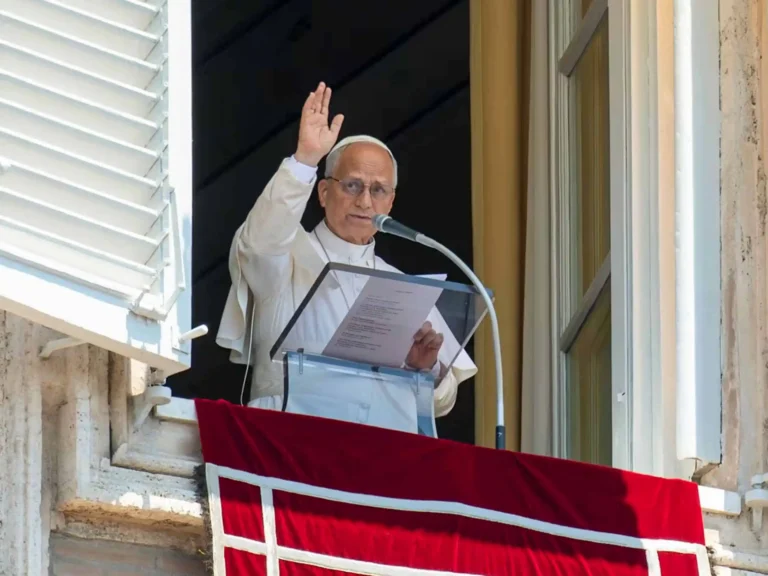
Pope Leo XIV recently apologised for the role played by the Vatican in legitimising slavery. The Pontiff also decried the failure of the Holy See to condemn it for centuries. In an apology contained in the Pontiff’s first encyclical, Magnifica Humanitas, (“Magnificent Humanity”), he described the Vatican’s record as a “wound in Christian Memory.”
While other popes had apologised for Christians’ involvement in the trans-Atlantic slave trade, none publicly acknowledged or apologised for the role they played in the evil trade. Pope Leo’s apology is, therefore, significant. Its symbolism cannot be diminished.
The trans-Atlantic slave trade was the major cause of severe depopulation, economic underdevelopment, social fragmentation and political instability in Africa. Africa lost approximately 12.8 million people to the slave trade. The evil trade targeted young, able-bodied men and women in their childbearing and most productive years. Slavery and slave trade ruined Africa’s economy and development. While Africa suffered massive socio-economic losses, the Americas and Europe profited hugely from the trade.
While the Pontiff’s apology is a welcome development, the Catholic Church should go beyond apology and convince European powers behind the trade to compensate Africa for the evil done to the continent. The calls for reparation should be more intensified now than ever before. We say so because the scars of the slave trade still exist in African consciousness and collective imagination.
While many humanitarian bodies have called for an official apology from countries that participated in the trans-Atlantic slave trade, some Africans have also called for restitution running into billions of dollars. So far, there has been no restitution and official apology has, unfortunately, been muted or downplayed in some instances.
Other News
However, the Pope’s apology will assuage the feelings of betrayal and anger towards the church for enabling slavery. The role of the Catholic Church in justifying slavery is more painful because the church is seen as a body that should preach against injustice, human degradation, and the painful undermining of the black race. Now that the Pope has finally apologised, it is hoped that the Catholic Church will follow up with restitution.
Instructively, the Pope also warned that the world is at risk of “new forms of slavery” facilitated by the digital economy. He also revealed that Church institutions owned slaves until the Middle Ages. According to him, in the early modern period, the Apostolic See of Rome, responding to requests from sovereigns, intervened several times to regulate and legitimise forms of subjugation, and, in certain cases, the enslavement of “infidels,” stressing that “it was only in the 19th century that “a formal, absolute and universal condemnation of slavery was clearly articulated.”
In 1992, Pope John Paul II openly condemned slavery and called upon all those who were negatively affected by slavery to forgive the church. In 2000, the Pope identified historical injustice as part of the activities that accompanied slavery. He tendered an unreserved apology to the whole world on that account. Pope Francis also consistently criticised forms of slavery.
Religious bodies control the way millions of people perceive and interpret reality. Undoubtedly, the Catholic Church is among the largest religious denominations in the world. Therefore, it is significant that the body is coming out openly to apologise for its role in legitimising slavery in the past. Other religious bodies or institutions that played one role or another in enabling or legitimising slavery should borrow a leaf from the Pope.
Although it may not be visible, the tensions and scars of slavery still define, to a large extent, how people view reality in terms of the genuineness of religious doctrine and its commitments to saving humanity. Some countries that were in the forefront of slave trade should also apologise and initiate reparation schemes that would ameliorate the ugly scars of slavery. At the same time, global leaders and governments should work in concert to ensure that all forms of modern slavery are abolished.