Follow Us on Google
By Steve Agbota
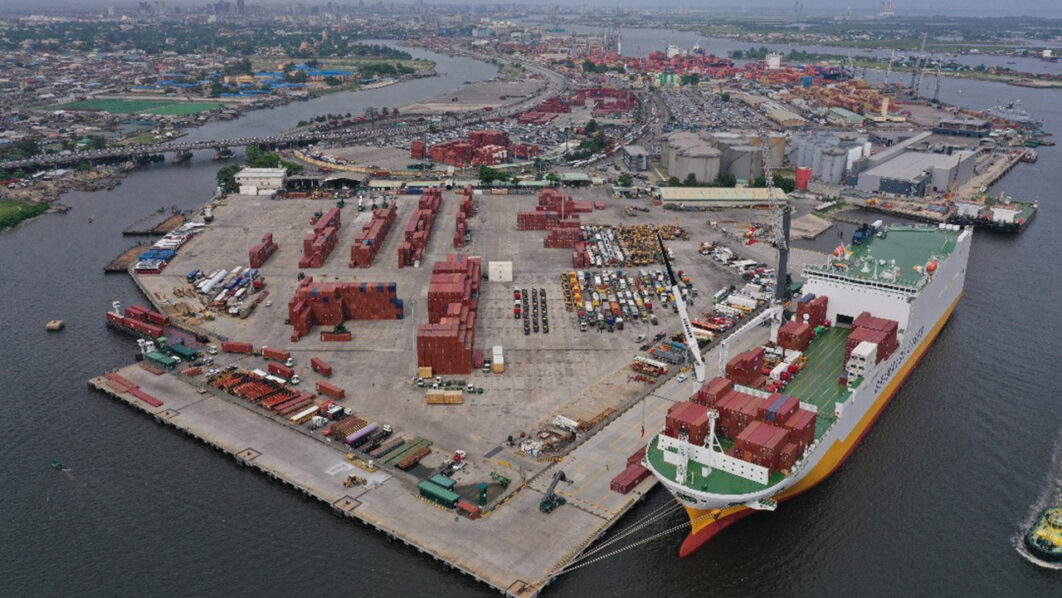
The Sea Empowerment Research Centre (SEREC) has highlighted the critical role that infrastructure investment plays in enhancing the efficiency of Nigeria’s ports, pointing out that inadequate investment in operational facilities such as ports, harbors, and terminals is one of the foremost challenges impeding the growth and competitiveness of the nation’s maritime sector.
In a recent bulletin, signed by the Head of Research, Eugene Nweke, the Centre called on the Federal Government to urgently address these infrastructural shortcomings to ensure that the nation’s ports remain globally competitive and efficient.
Nweke emphasised that the lack of adequate investment in core infrastructure is a significant obstacle that must be tackled. “Notably, the inadequate investment in infrastructure and operational facilities, including ports, harbors, and terminals, is another key challenge that needs to be addressed,” he said. He pointed out that this issue was compounded by the persistent congestion at ports, which was notably recorded in 2024. Such delays not only disrupt maritime operations but also tarnish Nigeria’s global image as a key player in global trade.
He continued, “Like in previous years, the industry also faces environmental challenges, including marine pollution, which has caused degradation to the environment and its ecosystem.” The environmental degradation, he noted, is exacerbated by the lack of a robust system for maintaining and safeguarding the marine environment from the impacts of industrial activities.
Further complicating the situation are issues related to regulatory compliance. Nweke noted that inconsistent enforcement of maritime regulations, coupled with bureaucratic inefficiencies, continues to hinder effective maritime operations and foreign investment in the sector.
Other News
He added that stakeholders were optimistic that with the repeal of the Nigeria Shippers Council Act of 1979 and the subsequent enactment of the newly metamorphosed body, there would be a more effective regulatory environment. “Stakeholders are in high spirits that with the repeal of the Nigeria Shippers Council Act of 1979 and the passage and subsequent enactment of the Act, the new body will provide the desired and requisite economic and central regulatory functions and adequately fill the gap that was missing pre- and post-ports concessions in 2006,” Nweke stated.
However, Nweke also identified the shortage of skilled manpower as a significant challenge facing the sector. He pointed out that there is a growing dearth of qualified personnel, including seafarers, marine engineers, and maritime logistics experts, which further hampers the sector’s ability to fully tap into its potential. “Unfortunately, this sector—seafaring, marine engineers, and logistics experts—is the main industry engine that ensures growth and sustainability,” he said.
Another concern Nweke raised was the problem of internal politics and distractions that plague the sector. He noted that these issues, along with a lack of effective mentorship programs, are hindering the development of a new generation of skilled workers. “Also noted here is the challenge occasioned by poor mentorship—an enduring industry human capacity re-engineering program,” he added.
For the sector to progress, Nweke stressed that the Nigerian government must take decisive steps to address these issues, particularly through targeted investments in infrastructure, ports, terminals, and safety and security measures. He further emphasized the need for the government to ensure the consistent and efficient enforcement of regulations. “The government also needs to address the issue of regulatory compliance and ensure that regulations are enforced consistently and efficiently,” he said, highlighting the importance of adequately funding the newly reinforced industry economic regulator.
Additionally, he emphasized the need to develop a skilled workforce by investing in training and development programs. This could be achieved through collaborations with international institutions and organizations, as well as through the provision of adequate funding to support such initiatives. “Prompt funding is apt,” Nweke concluded, underscoring the need for financial commitment to develop a highly skilled and competent workforce for the sector’s sustained growth.