Follow Us on Google
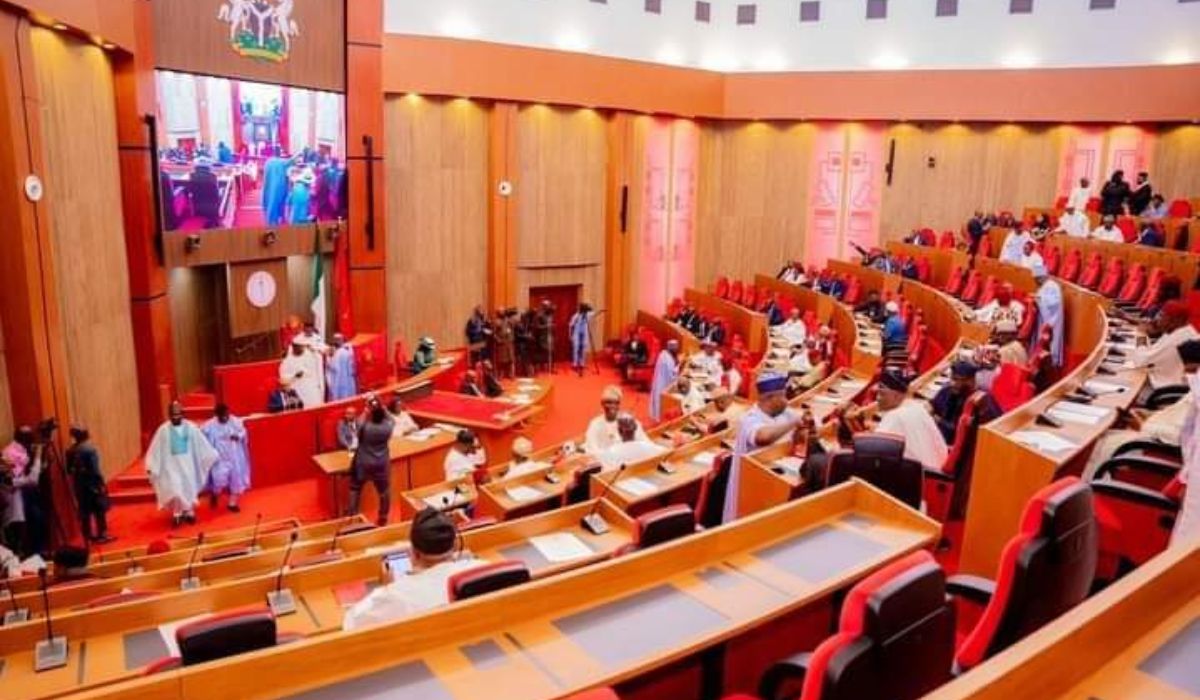
From Adesuwa Tsan, Abuja
The leadership of the Senate is set to engage President Bola Tinubu over what it described as persistent poor funding of the nation’s intelligence and security agencies, amid growing security challenges.
The move was disclosed yesterday by the Senate Committee on National Security and Intelligence, following a 2026 budget defence session with the National Security Adviser (NSA), Mallam Nuhu Ribadu and heads of key intelligence agencies.
Chairman of the committee, Yahaya Abdullahi, said the Senate was deeply concerned by complaints from the agencies over irregular releases of overheads, non-release of capital allocations in the 2025 fiscal year and other funding constraints, especially at a time the President has declared a state of emergency on national security.
According to him, the current envelope budgeting system adopted by the Federal Government has become ineffective and should be jettisoned for a more needs-based approach.
He said: “After receiving reports from the various committees, the leadership of the National Assembly will sit down to review the issues and work out appropriate solutions, particularly those that have arisen in the current financial year.
“We also discussed the recent declaration by the President of a national emergency on security. If such an emergency has been declared, there must be adequate funding to support it.
“As a result, we will develop a strategy to ensure that the President’s declaration does not become merely symbolic. If necessary, we will engage the leadership of the National Assembly to seek a meeting with the President.
Other News
“We intend to present the concerns of the security and intelligence agencies directly to him so that appropriate steps can be taken to provide them with sufficient funds to carry out their constitutional responsibilities.”
Abdullahi stressed that although poor budget releases affect many government institutions, the case of intelligence and security agencies requires urgent attention due to their critical role in safeguarding national stability.
On envelope budgeting, he said: “The envelope system, in my personal view, has outlived its usefulness. The current approach focuses more on allocating fixed amounts of money rather than budgeting based on actual needs and priorities.
“Budgeting should reflect institutional needs and national priorities, not merely distribute predetermined sums.”
Earlier, the Permanent Secretary, Special Services, Office of the National Security Adviser, Mohammed Sanusi Danjuma, told the committee that inadequate and irregular releases in the 2025 budget severely hampered the operational capacity of intelligence agencies.
He said: “Some of these key challenges encountered by the intelligence community in the implementation of the 2025 budget include, among others, the envelope system of budgeting, which constitutes a lot of constraints in terms of resource allocation. “There are irregular releases of overhead costs, non-implementation of the release of the 2025 capital appropriation, irregular release of foreign service personnel shortfall, high exchange rate in respect of service level agreements used by most of these agencies, inadequate operational vehicles and effective covert equipment, increased cost of foreign exchange and maintenance of the presidential air fleet abroad instead of our own hangar.”
Danjuma appealed to the Senate to intervene to secure improved funding in the 2026 budget cycle, including possible supplementary allocations.
“Mr Chairman, with the recent declaration of a state of emergency on national security by the President, it is our humble prayer that adequate funding should be provided through a supplementary budget to the intelligence community to ensure timely and speedy response to security threats. We all agree that no nation can grow without adequate security,” he said.