Follow Us on Google
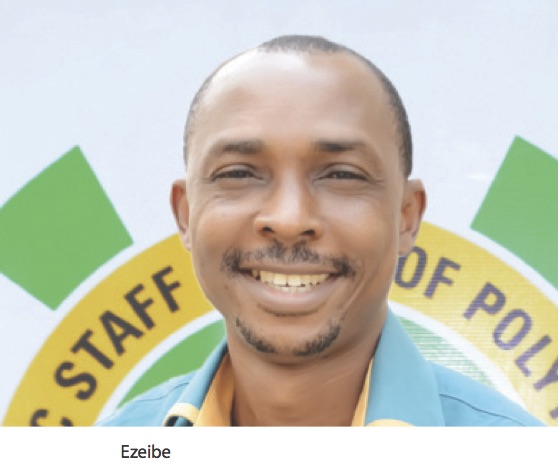
• ASUP president, Ezeibe, says rather than convert to varsities, polys should be well funded
By Gabriel Dike
Anderson Ezeibe, is national president, Academic Staff Union of Polytechnics (ASUP). In this interview, he spoke on budgetary allocation to polytechnics, conversion of polytechnics to universities, state of affairs of the polytechnic system, situation at Abia State Polytechnic, strikes and other issues.
How healthy is the polytechnic system?
The Nigerian polytechnic system is not doing well. Students enrolment figure are on a free fall as the sector is no longer appealing to young Nigerians seeking tertiary education. Most of the polytechnics are suffering from serious shortage of qualified academic staff with the existing staff operating at low morale, as they are poorly motivated.
Academic staffs are on a consistent flight out of the country in search of the proverbial golden fleece. The rest are looking for the slightest opportunity to join sister sectors.
The institutions are poorly funded infrastructure, equipment and instructional materials across the polytechnics are dilapidated and insufficient. The polytechnics owned by state governments are even worse off with unimaginable levels of abuse going on unchecked.
The consequence of the above is that the polytechnics system has failed to impact significantly on the nation’s socio economic space. It can hardly compete on the global stage.
Do polytechnics get enough annual allocations?
The allocations are not enough. Capital appropriations from the budget are not anything to write home about, yet they are released in bits. Overheads are severely short of the requirements for the expenditure head.
Again the state owned institutions are worse off. The polytechnics are being established to primarily satisfy political considerations and not to train professionals in the areas of technical and vocational education.
The poor position of the nation’s currency and inflation has only made the situation even worse. The polytechnics almost entirely rely on intervention from Tertiary Education Trust Fund (TETF) for any form of infrastructural development
Is the conversion of polytechnics to universities the solution?
Certainly not. The National Policy on Education has established roles for polytechnics and universities. The mandates are clear and distinct. I am not sure that Nigeria is already saturated with skilled manpower in the areas of technical and vocational education.
Rather than conversion to universities, the polytechnics should be equipped to deepen their mandates and meet same. The right legal, policy and regulatory frameworks should be put in place to support the actualization of the vision for polytechnic education in the country.
Have strikes by ASUP produced positive results in the polytechnic system?
Yes. Our union’s strikes have been largely effective in driving improved funding, legal reforms, policy changes and staff welfare in the polytechnic system. It is equally unfortunate that as a nation we are attributing these marginal gains to the outcome of strikes. It is indicting for the system and the government to wait for union strikes before appropriate steps are taken to address the myriad of problems in the sector.
Recently, 15billion was being distributed in tranches to public polytechnics as part of the NEEDS ASSESSMENT intervention. The funds are to be dedicated to intervention in the area of infrastructure and this is one of the fruits of our union’s strikes.
Yet, we are receiving disturbing reports of attempts by unscrupulous persons to undermine the impact of the intervention through spurious demands on the beneficiary institutions. This is unfortunate and our union will resist it to the full extent of the law at the appropriate time.
What is ASUP’s plan, if the government fails to respect the court order sacking five rectors?
The options before the government are clear. They either respect the court order by removing the impostors or appeal the judgment. They have three months to appeal the ruling. It is immoral for government to even think in such direction as such would only serve to buy more time in unearned offices for the impostors and extend the misery of the new institutions where reports of maladministration have been flowing in unsurprisingly.
It is a disservice to the nation that newly established institutions are being led to early gallows through such appointments. The same was replicated in Delta and Kano states with the appointments in the new federal polytechnics. The persons are still posturing as rectors of these polytechnics.
Our union will lean on the side of the law. We will continue to deploy lawful means within the nation’s judicial system to ensure that the right things are done. It is also not beyond our union to lean on the instruments provided for trade unions to address the issue.
What is the situation of your members at Abia State Polytechnic?
The situation is pathetic. Forty-two months in owed emoluments and the result is evident in reports of death of members who could not afford medical bills and other forms of serious discomfort, which the staffs are subjected to.
The outgoing government of Abia State has displayed unbelievable level of irresponsibility in this regard. We expect the incoming administration to depart from such route by meeting its obligations to staff to enable the staff discharge their duties as appropriate.