Follow Us on Google
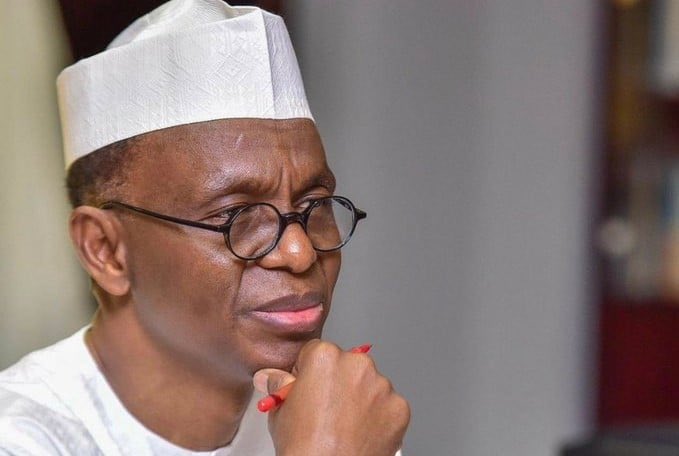
The former governor of Kaduna State, Nasir El-Rufai, is once again in the headlines, and unfortunately not for achievements or statesmanship. For a politician long associated with controversy, sharp rhetoric, and political brinkmanship, the latest developments appear less like a sudden crisis and more like the culmination of years of unpatriotic public conduct. As the biblical admonition warns, “by your words, you shall be condemned,” and many observers believe El-Rufai’s own utterances have played a central role in his present predicament.
At the centre of the storm are allegations that he admitted to involvement in the interception of communications connected to the National Security Adviser, Nuhu Ribadu. Charges reportedly filed by the Department of State Services have elevated what might have been political controversy into a serious legal and national security matter. If substantiated in court, such actions would represent not merely political indiscretion but a profound breach of institutional trust and national security protocols. Even the perception of such conduct can erode public confidence in governance structures, intelligence systems, and political leadership.
Security concerns aside, El-Rufai also faces intensifying scrutiny over alleged financial improprieties during his time in office. Investigations associated with the Economic and Financial Crimes Commission reportedly stem from findings by the Kaduna State House of Assembly, which questioned aspects of loan management, contract awards, and fiscal oversight under his administration. Allegations of this magnitude, whether ultimately proven or disproven, inevitably shape public perception. For a leader who cultivated an image of discipline, reform, and technocratic efficiency, such accusations cut particularly deep, undermining the credibility he once projected.
His own public comments about surveillance capabilities, including suggestions that political actors sometimes possess counter-surveillance means, have further intensified debate about political ethics, information warfare, and the increasingly blurred lines between legitimate political competition and national security sensitivities. Such remarks, regardless of intent, contribute to unease about how far political rivalries might extend in a country already grappling with complex security challenges.
Beyond the immediate legal controversies lies a deeper issue: El-Rufai’s polarising political legacy. From his tenure as Minister of the Federal Capital Territory to his years governing Kaduna, he cultivated a reputation of intolerance, insensitivity, and an inclination toward confrontation over consensus. That perception continues to shape how Nigerians interpret his current situation.
Particularly contentious were accusations during his governorship that his rhetoric and policies sometimes appeared dismissive of minority concerns, especially in Southern Kaduna. Critics alleged ethnic and religious insensitivity, charges that sparked national debate and condemnation from civil society groups. Whether one agrees fully with those criticisms or not, they contributed to a perception of leadership that struggled with inclusivity — a serious liability in a diverse federation like Nigeria.
Politics in Nigeria, perhaps more than in many democracies, demands delicate balancing of ethnic, religious, and regional sensitivities. Leaders who fail to demonstrate that balance risk deepening divisions. El-Rufai’s confrontational style, while effective in mobilising certain political bases, arguably exacerbated tensions rather than fostering broad national cohesion.
Another dimension of his current troubles lies in the consequences of political hubris. El-Rufai frequently positioned himself as intellectually superior to opponents, often dismissing critics in sharp or sarcastic terms. While such confidence may project strength, it can also alienate potential allies and create lasting political resentments. When crises arise, those resentments can translate into diminished political support and reduced public goodwill.
Other News
Indeed, his present legal and political challenges seem to illustrate how quickly political fortunes can shift. Influence in Nigerian politics depends heavily on alliances, perception, and adaptability. Leaders who fail to recalibrate their approach as circumstances change often find themselves increasingly isolated. Observers note that El-Rufai, once considered highly influential within national political circles, now appears less central to emerging political alignments.
Leadership also involves understanding when assertiveness must give way to diplomacy. Experienced politicians typically develop an instinct for balancing candour with restraint. El-Rufai, despite his undeniable political experience, often appeared to prioritise bluntness over tact. That approach may energise loyalists, but it rarely fosters enduring consensus.
Moreover, reputation in public life is cumulative. Statements made years earlier do not simply fade; they accumulate, forming a narrative that shapes how future events are interpreted. For El-Rufai, the very bluntness that once earned him a reputation for fearlessness now appears to have depleted reservoirs of public sympathy. Many Nigerians, fairly or unfairly, see his current predicament as self-inflicted.
There is also a broader democratic lesson in this episode. Accountability must apply consistently to all public officials, regardless of past stature or political affiliation. Transparent investigations, fair judicial processes, and institutional independence are essential not just for justice but for public confidence in governance. Nigeria’s democratic maturation depends on demonstrating that no individual is above the law.
For El-Rufai personally, this period may prove decisive. Legal outcomes will determine immediate consequences, but long-term political relevance will depend on how he responds, whether he adopts a more conciliatory posture or continues the combative style that has defined much of his career. Reinvention is possible in politics, but it often requires humility, reflection, and a willingness to engage critics constructively.
Ultimately, the unfolding saga surrounding Nasir El-Rufai underscores a timeless political truth: power is transient, but accountability endures. Leaders who build their careers on confrontation, sharp rhetoric, and uncompromising postures may eventually confront the very forces they once wielded. In that sense, his current troubles may not simply be a personal crisis but a cautionary tale for Nigeria’s political class, a reminder that leadership demands not only strength and conviction but also restraint, empathy, and respect for institutional boundaries.
• Muhammed writes from Abuja