Follow Us on Google

From Femi Folaranmi, Yenagoa
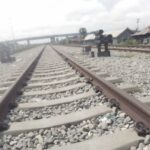
The Pipeline Infrastructure Nigeria Limited (PINL) has expanded its surveillance to include all oil and gas facilities in proximity to the Trans Niger Pipeline (TNP).
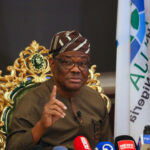
The General Manager, Community Relations and Stakeholder Engagement of PINL, Dr. Akpos Mezeh, who disclosed this when he addressed stakeholders from host communities of the TNP in Bayelsa, added that its expansion is free in the interest of national development.
He called on stakeholders to scale up real-time information around the critical assets for optimum protection.
“We wish to restate that PINL has taken on the responsibility of providing security for all oil and gas assets in proximity to the TNP, Pro Bono, though they are not under its current mandate. To this extent, we urge stakeholders to scale up vigilance and real-time community intelligence around these assets in the interest of national security, “ Mezeh said.
Other News
He also disclosed that following previous meetings, the Biseni community has been included in its operations, while plans are on to include other communities from Sagbama LGA.
Giving a rundown of its successes for the month under review, the PINL official stated that there was no case of pipeline vandalism in the state and on the entire TNP, attributing the feat to the collaboration between the company, security agents, and community stakeholders.
He emphasised that there has been sustained oil and gas production in the eastern corridor, increased host community development trust funding, and peace in the communities.
Mezeh informed the stakeholders that the empowerment of 2,000 women and girls from the host communities under the PINL Women Entrepreneurs and Empowerment Initiative has completed data capturing for the host communities in Abia, Imo, Rivers, and Bayelsa.
President of Ijaw National Congress (INC), Prof Benjamin Okaba, in his speech, thanked PINL for recognising the roles of the host communities and the traditional institutions in its operations.