Follow Us on Google

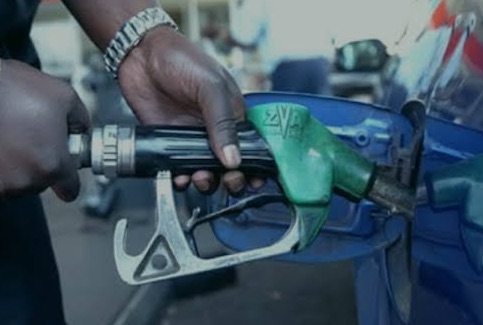
Nigerian motorists are beginning to enjoy some relief as petrol prices drop to as low as N1,289 per litre in Lagos, following a decline in international crude oil prices.
A survey conducted by Daily Sun across selected filling stations in Lagos yesterday showed that pump prices had fallen from N1,370 to N1,289 per litre, representing a reduction of N81 per litre.
NNPC retail outlets offered the lowest prices, selling petrol at N1,289 and N1,300 per litre, while other marketers, including MRS and Ardova, sold at N1,330 and N1,350 per litre respectively.
The reduction is expected to ease the financial burden on motorists and other consumers who have continued to grapple with high fuel costs.
The drop in petrol prices follows a decline in the international oil market, where crude prices have come under pressure from growing expectations of excess global supply, despite lingering geopolitical tensions in the Middle East.
According to Oilprice.com, the recent decline in crude prices has been driven largely by reports of an emerging global oil glut, with supply increasingly catching up with demand.
Brent crude was trading at $91.70 per barrel, while West Texas Intermediate (WTI) stood at $85.03, with both benchmarks lower than their Monday closing levels.
The decline is significant given continuing security concerns around the Strait of Hormuz, a major route for global oil shipments, where reported disruptions involving tankers have raised concerns about crude supplies from the Middle East.
The Iranian Revolutionary Guard Corps Navy had reportedly warned oil tanker and oil company owners that the US-backed southern passage through the strait had been mined, cautioning that vessels cooperating with US military officials could face risks.
Despite the threats, market attention appears to have shifted towards expectations of a recovery in Middle Eastern oil exports.
However, data from maritime intelligence firm Windward indicate that shipping traffic through the Strait of Hormuz remains significantly below pre-war daily averages, suggesting that supply disruptions have not been fully resolved.
Explaining the pressure on crude prices, Reuters quoted KCM Trade’s Chief Economist, Tim Waterer, as attributing the decline to a shift in the global supply and demand balance.
“Oil is recalibrating lower as the market increasingly accepts that supply has finally caught up with demand and may now be set to exceed it. That shift in the supply-demand balance is the main factor weighing on prices today,” Waterer said.
The outlook for crude prices has also been shaped by projections from the International Energy Agency (IEA) and two investment banks that the impact of reduced oil consumption, known as demand destruction, has been more severe than the supply squeeze caused by geopolitical disruptions.
According to the IEA, the decline in demand is expected to outlast the supply squeeze, with a global oil surplus projected to emerge in the current quarter and extend into next year.
The prospect of excess global oil supply is therefore putting further pressure on crude prices, raising hopes of additional reductions in domestic petrol prices if the downward trend continues.