Follow Us on Google

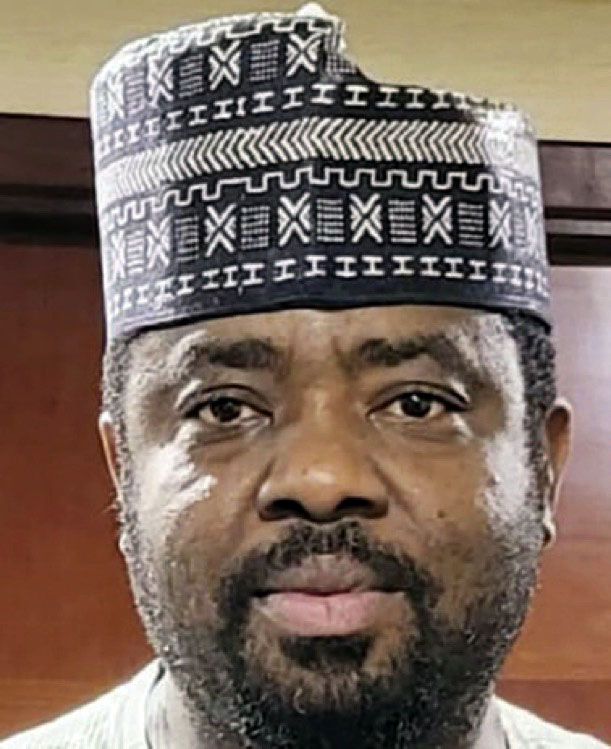
The Chairman and Chief Executive Officer of ARN Group, Alhaji Abdulrasheed Nasidi Muhammad, has said the company is expanding its investments in manufacturing, logistics and trade to help restore Kano’s position as a major industrial and commercial centre in northern Nigeria. In this interview, he explains how ARN Group has grown from one enterprise in 2020 to between 15 and 16 businesses operating within the Kano Free Trade Zone, creating thousands of jobs and supporting exports to neighbouring countries.
He also identifies unreliable electricity, poor infrastructure and weak coordination among government agencies as major obstacles to industrial growth.
We understand ARN Group is a Kano based Nigerian conglomerate. In which sector of the economy does it operate?
Our operations in Nigeria cover maritime clearing, logistics, manufacturing and trading. We operate through steady investment and expansion, particularly within the federally approved Kano Free Trade Zone.
How many companies are under ARN Group and what does each of them do?
Currently, we have about 14 to 15 enterprises operating within the Kano Free Trade Zone. I can mention some of them. First, we have Shaaban FZE, which manufactures plastic containers, chemicals and related products. Next is SST FZE, which specialises in the packaging of edible oil. We also have Somber Textile FZE, which manufactures textile products.
Then there is Sunbelt Electricals FZE, which produces electrical, solar and electronic products, including LED panels, lamps, lights, solar fittings and accessories. We also have Global Food FZE, which is involved in the production of food products and confectioneries. These are some of our enterprises operating within the free trade zone.
From your explanation, it is clear that ARN Group has a prominent presence in the Kano Free Trade Zone. Can you describe your contributions to national economic growth in terms of government revenue, employment, social stability and economic empowerment?
We started operating in the Free Trade Zone around 2020 with one enterprise. With our growth and continued investment, we now have between 15 and 16 enterprises as of 2026. We have developed between 60 and 100 hectares for warehouses and operational facilities, creating thousands of jobs and supporting local businesses.
Through applicable duties and federal payments, we contribute to government revenue while creating jobs and income opportunities. We also promote economic empowerment, social stability and national economic growth. We are committed to due process and compliance with rules. Let me also reiterate that our company is focused on helping to support Kano as Center of Commerce and restore it’s historical position as a hub for trade in northern Nigeria
How competitive are your finished products in the market?
The Nigerian market is highly competitive, but we strive to stand out through quality products, competitive pricing and reliable supply. We also focus strongly on customer satisfaction, which helps us build trust, retain customers and grow our business.
Which federal or Kano State incentives, such as tax holidays, import duty waivers or machinery incentives, have you actually benefited from?
Our enterprises have benefited from incentives relating to machinery brought into the Free Trade Zone for production and manufacturing activities. This has helped reduce our operational costs and supports our expansion.
Tell us about skill acquisition and technology transfer in your operations. What is your level of involvement in it in the state?
We support skill acquisition through practical training in production, machine operation, warehousing and logistics. Experienced personnel train local workers on the use of modern equipment, technologies and techniques to improve their skills, productivity and employment opportunities.
For imported machinery or spare parts, what is the typical clearance time at the port, and what are the costs or delays before the equipment reaches Kano?
With our operational capacity, we can clear containers and deliver them from the port of arrival to Kano within two weeks, provided clients submit all the required documents before the shipment arrives. However, this timeline depends on there being no delays caused by port congestion, infrastructure challenges or other operational issues.
Are you selling mainly into northern Nigerian markets, distributing nationally or exporting? What would have to change for export volumes to grow?
We sell across all regions of Nigeria. For exports, we ship products from the Free Trade Zone to other countries, including Niger and other neighbouring countries. To increase export volumes, we need to expand local production, improve product quality and packaging, and strengthen access to international markets.
More efficient clearance processes, reliable transportation and better infrastructure will also help reduce costs and make our exports more competitive.
What advice would you give to the Kano State Government on interventions that could improve manufacturing?
If I were advising the Kano State Government on one major intervention, I would prioritise reliable and affordable electricity for industrial and agro-processing areas through partnerships with private power providers. This would reduce dependence on diesel, lower production costs, improve processing and cold storage, and help businesses expand and create more jobs.
Tell us about your relationship with government regulatory agencies such as the Nigeria Customs Service, National Agency for Food and Drug Administration and Control (NAFDAC), Standards Organisation of Nigeria (SON) and others, with emphasis on ARN Group’s compliance level. Is it cordial?
Our relationship with Customs, NAFDAC, SON and other relevant agencies is professional and cooperative. We place a strong emphasis on compliance by maintaining the required licences, providing accurate documentation, paying applicable duties and charges, and meeting relevant quality and safety standards.
We also work closely with these agencies to address any compliance issues promptly and ensure that our operations remain aligned with regulatory requirements.
What are the major challenges you face as an operator in the Kano Free Trade Zone and as a business operating in Nigeria?
Some of the major challenges we face include inefficient power supply, infrastructure deficiencies and coordination among government agencies. These issues affect operations within the Free Trade Zone and can increase the cost of doing business. Improving infrastructure, ensuring more reliable power supply and strengthening coordination among relevant agencies would help businesses operate more efficiently and support further investment and expansion.