Follow Us on Google
By Chinelo Obogo
Transport experts have warned that years of neglect and inconsistent government policies are pushing the sector to the brink of collapse.
They argue that without urgent reforms, poor infrastructure, weak regulation and policy drift could cripple mobility, trade, and economic growth across the country.
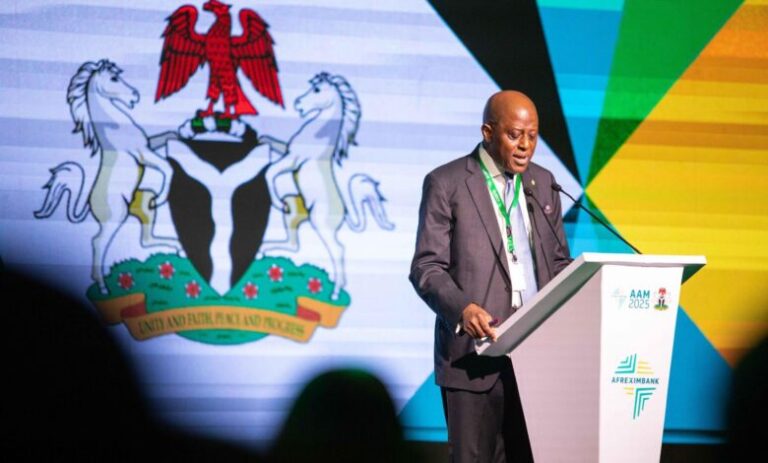
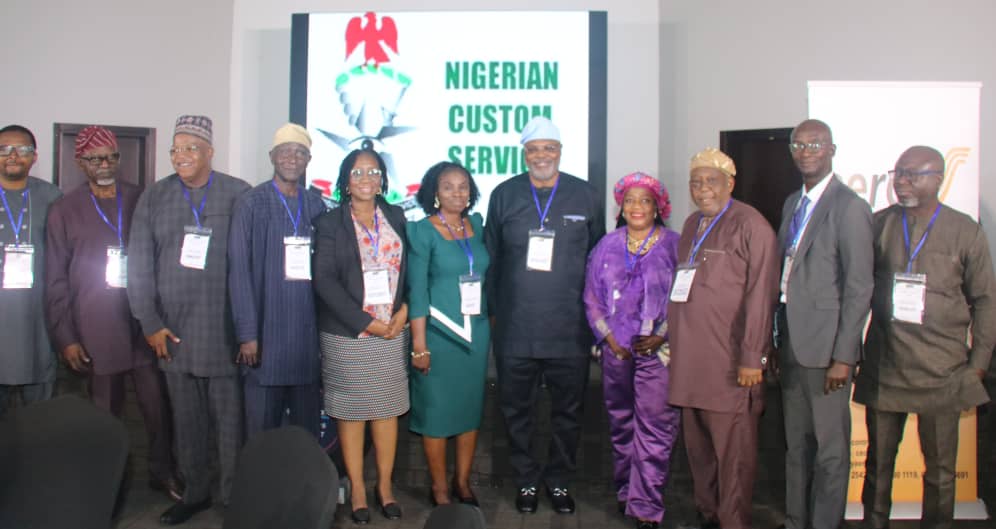
They harmonised their views during a Transport Infrastructure Summit organised by JustAlive Communications held this week in Lagos themed: “Nigeria’s Transport Infrastructure: Innovation for a Sustainable Future”.
Speaking, the Chairman, Lagos State Government Professorial Chair Endowment on Transport Studies, Prof. Bamidele Badejo, who was the guest speaker, described the sector as the heartbeat of national existence that has been left to fail.
He said the rise of motorcycles and tricycles reflects policy failure rather than innovation. Badejo identified twelve major barriers to transport infrastructure reform, including poor funding, weak technical capacity, proliferation of agencies, and indiscipline across the sector.
“The transport industry is labour-intensive but dominated by unskilled workers. Many are qualified by experience, not by training. Imagine what it would mean if, for one day, all means of transportation grind to a halt. It would be a temporary death of existence,” Badejo said.
The head of sales at Aero Contractors, Femi Oluwafemi, who represented the Managing Director, Capt. Ado Sanusi, said one of the challenges the industry is facing is the lack of capacity. He said last year, the passenger traffic was about 15 million which is a small number compared to the previous 16 million. He said this means that there is a reduction in the number of passengers that are flying right now.
He asked how the industry can improve patronage when there is also an increase in airfares.
“Are the airlines increasing airfares to their own detriment? I want to assure you that there is nobody in business who is coming there to reduce their own patronage. But of course we have to cover our costs, so one of the challenges that we also have is increasing costs,” he said.
Oluwafemi further said that the economy of this country is not friendly to business and the policies of this country need to improve so that everybody who needs to contribute to the well-being of the nation can actually see something that is worth the effort of putting in their money.
“We have airlines in Nigeria that need cash inflow to be able to provide better services. But we are not in an economy where capital is available and easy for operators to expand their operations. So these are just some of the challenges. If you come into our airports, you see that the infrastructure still needs a lot of work,” he said.
Group Capt. John Ojikutu (Rtd) who was one of the panelists said in 2000, it was projected that Nigeria would have 20 million passengers annually but that since then, passengers have not increased. He blamed the leadership of the government and agencies for the lack of growth in the sector, saying: “Everybody that is heading these agencies all belong to political parties and they bring their political ideas into the agency. That is why we are not growing. There is no skilled manpower in most of the agencies. The government will always tell us these things. We must have skilled manpower, but we have insufficient manpower. These are the things that make me angry.
“When you find out that in the year 2005-2006, the NCAA had a deficit of 300 controllers. Between that time and now, how many of those have retired? How many of the ones that were here have retired? How many have they brought in? How many airports have we built? Who are the people to man these places if you have not trained them? I went to Rwanda in 2012-2013. I had to spend a few months there. What do you call it? When we got there, I was shocked about the system that was there and the system in Nigeria. I asked them who trained you? They told me, “We were trained in Nigeria. And we still cannot do what they are doing in Rwanda today. So, what is wrong with us?” he queried.