Follow Us on Google


By Chiamaka Ajeamo, [email protected] 08060655687
As the economic pressure in the country continues to heighten with its attendant inflation, stakeholders of the pension industry, as part of measures to address the issues of adequacy and contributions by pensioners, have agreed to review the lump sum amount payable to retirees.
This new development, billed to commence in the next pension law amendment, will assist contributors and retirees to meet their financial goals as well as mitigate pension tension.
According to section 7 (1) (a) of the Pension Reform Act (PRA) 2014, a 25 per cent lump sum is to be paid to a retiree provided that the amount left after the lump sum withdrawal will be sufficient to fund a programmed withdrawal or annuity over the expected lifespan.
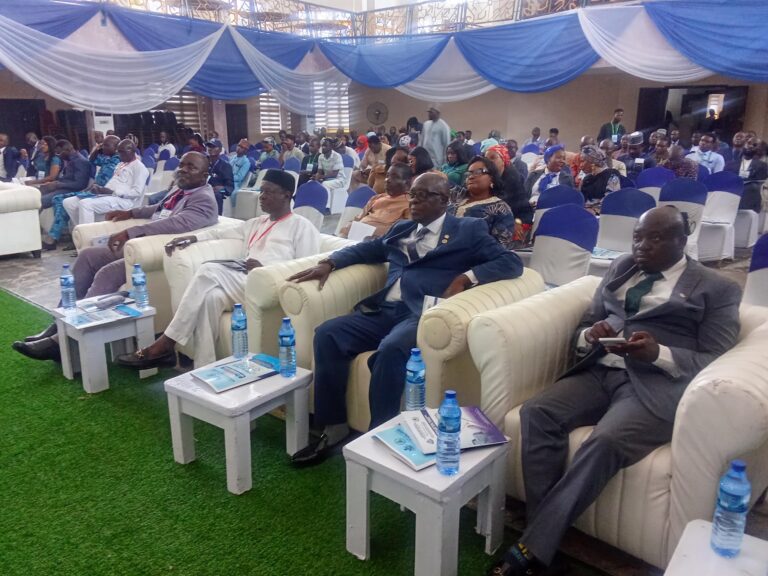
Notwithstanding, the members of Pension Fund Operators Association of Nigeria (PenOp) and National Assembly Joint Committee for Establishment and Public Service of the Senate and House of Representatives Committee on Pensions, at the 3rd annual PenOp – NASS retreat held in Lagos recently with the theme: ‘17 Years of Pension Reforms: Gains, Challenges and Opportunities,’ have reached a consensus that to ensure adequacy, and eliminate rising agitations by contributors, it had become critical to review the lump sum payable to retirees.
The above consensus was part of the resolutions contained in the communiqué reached at the end of the meeting. Both parties assented that “there was a consensus that the lump-sum amount should be reviewed to address issues of adequacy and address contributors’ agitations.”
The stakeholders affirmed that the industry has continued to record impressive growth across key performance indicators since the pension reforms of 2004.
The communiqué said, “The pension industry in addition to being beneficial to contributors have played a pivotal role in driving economic growth and development in Nigeria. While the scheme has recorded several giant strides in its 17 years of operations, there are still so many issues that need to be addressed in order for the pension industry to create more value for all stakeholders.
“The pension assets have grown at an impressive rate since inception. The pension assets stood at N12.4 trillion while the number of contributors stood at 9.4 million as at April 30 2021.
The meeting equally acknowledged the pivotal role the National Assembly, labour unions and Pension Fund Operators have played in the survival of the contributory pension scheme through supportive legislations, buy-in and adherence to best practices respectively.
Furthermore, it stated that despite the feats, the industry faces some major challenges, some of which are low coverage and compliance, inadequacy of benefits and poor awareness about the benefits of the pension scheme.
The meeting resolved that huge public enlightenment is required to drive compliance among state governments to expose them to the benefits of embracing the contributory pension scheme and also educate them on how to leverage pension assets to facilitate infrastructural development.
It added that the National Assembly should set up a task force to engage state governments and come up with innovative ways to help drive compliance by state governments.
It further resolved that a satisfaction survey should be commissioned by PenOp but handled by a third party to gauge the level of satisfaction with the scheme. It resolved that pension operators should also take the issue of documentation seriously in order to ensure that pensioners are not made to go through unnecessary stress in order to access their benefits.
“It was agreed that considering the role legislation plays in driving national development, the National Assembly and PenOp should continue to collaborate in order to create legislations that will facilitate the acceleration of pension assets growth and improved access to contributors”.
Thereafter, the meeting applauded President Muhammadu Buhari for approving the release of accrued rights and backlog of the differential based on the 10 per cent employer contributions according to the PRA 2014.