Follow Us on Google
• Abuja residents decry scarcity of vehicles
From Isaac Anumihe, Abuja
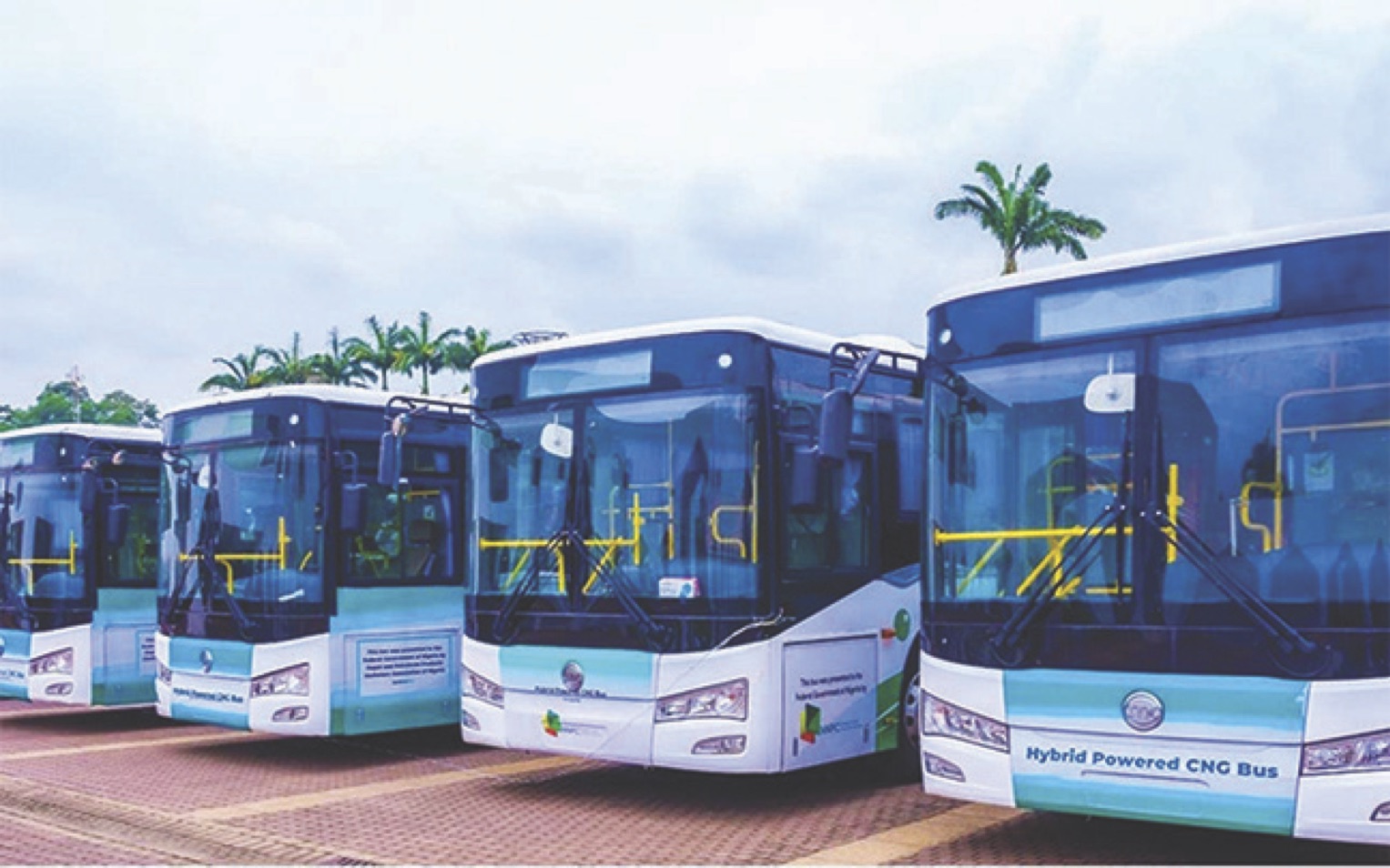
Despite the introduction of Compressed Natural Gas (CNG) luxury buses in the Federal Capital Territory (FCT), Abuja, to cushion the effects of high transport fares, occasioned by the removal of fuel subsidy, residents of FCT still complain of rarity of those buses.
According to them, the buses are scarcely enough to make a reasonable impact. This caused hardships on residents, especially those on daily pay and poorly remunerated.
Consequently, owners of Hilux vehicles cashed in on the ugly situation to convert their vehicles to kabu-kabu with a view to conveying stranded and desperate passengers to their destinations. They use the open back space to ferry passengers not minding the dangers involved.
Desperate commuters endure harsh weather conditions like rain, cold and heat just to get to their destinations. The fares are cheap and affordable. For instance, while the CNG luxury buses charge N500 from Berger Bus Stop to Nyanya, the open air Hilux vehicles charge between N200 and N300 for the same journey.
An okpa seller at Berger Bus Stop, Mrs Agnes Okwoche said that she lives in Nyanya but operates her okpa business at Berger Bus Stop. She confided in Daily that movement from Nyanya to Berger Bus Stop has been hellish to the extent that at the end of business, she hardly makes a good profit.
Explaining why she chose Berger Bus Stop as her business location, Okwoche stated that her husband’s office was at Berger yard and he was living in the quarters. So, it was easy for her to go to Berger Bus Stop for her business. But when her husband lost his job, they moved down to Nyanya. Already, her business had been established and she had got many customers. So, it was difficult for her to relocate her business to their new dwelling.
Miss Ijeoma said that she’s an attendant in one of the shops at Sky Memorial. She travels from Jikwoyi to Sky Memorial every day. Because of transportation cost, she would wait for CNG buses but most times they are not available. So, she’s forced to jump into the back of any available Hilux vehicle because it’s cheap and affordable.
Perhaps, it’s against the background of the transportation crisis that the Federal Government considered it necessary to introduce electric tricycles, popularly known as Keke and motorcycles, also known in the local parlance, as okada.
On November 26, 2025, the Federal Government, launched the electric tricycles (Keke) and motorcycles (okada) aimed at reducing transportation costs by 40 per cent.
Speaking while launching the electric keke and electric okada, President Bola Ahmed Tinubu, said that the initiative aligns with the nation’s energy transformation programme aimed at reducing carbon footprint and environment for future generations.
“The electric tricycles will reduce transportation costs by 40 per cent and offer a cleaner alternative to tricycles powered by fossil fuels” he said
The president who was represented by the Minister of Labour and Employment, Dr Mohammed Dingyadi, also noted that the Federal Government, through the Federal Ministry of Youth Development, will continue to initiate and implement programmes that’ll not only provide employment for youth population but also align with global transitions to cleaner and sustainable energy solutions. Besides, the programme would engender employment, create jobs, promote green economy and strengthen private-partnership collaboration.
In his remarks, Minister of Youth Development, Ayodele Olawande explained that the Federal Government is not just giving out the tricycles, it is contributing to the green economy. It’s not only creating jobs for the informal youths, it’s a way to remove the burden of petroleum costs and reduce carbon emissions.
According to him, before the end of the year, the government would be giving out grants to youth to start up business.
The initiative, was done in partnership with House of Destiny and National Commercial Tricycle and Motorcycle Owners and Riders Association (NATOMORAS).