Follow Us on Google
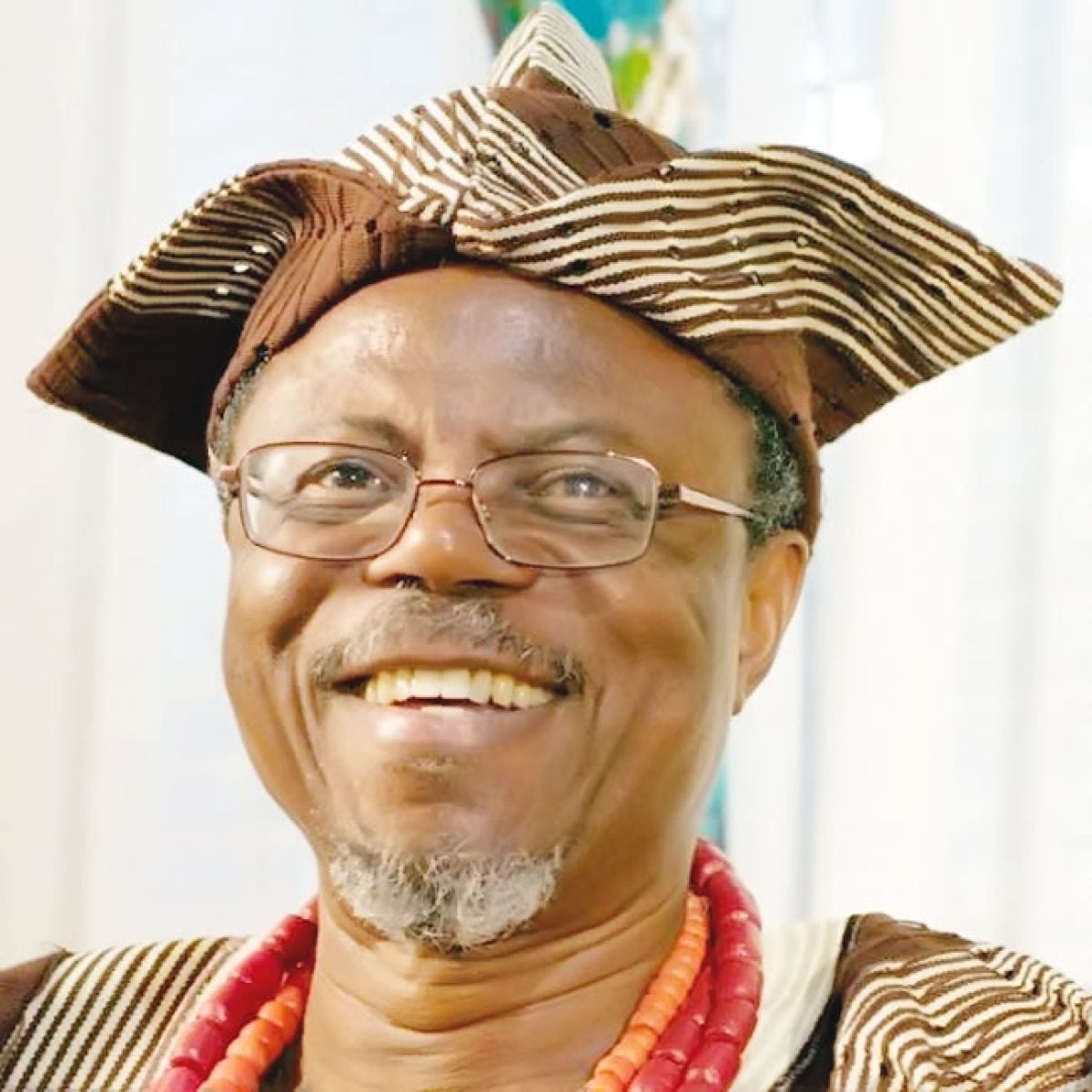
Oyo State has conferred a prestigious honorary award on renowned historian and intellectual, Professor Toyin Falola, in recognition of his outstanding contributions to African history, scholarship, and global intellectual discourse.
The honor formed part of activities marking the Golden Jubilee anniversary of the creation of Oyo State.
The award was presented by Governor Seyi Makinde during the grand finale of the jubilee celebrations held on Tuesday at the Banquet Hall of the Oyo State Government House, Agodi.
According to state officials, the recognition reflects the government’s commitment to celebrating intellectual excellence, preserving historical memory, and affirming the central role of knowledge in societal development.
Professor Falola is widely regarded as one of Africa’s foremost historians, with an extraordinary body of work spanning hundreds of books and scholarly articles. His scholarship cuts across history, culture, politics, religion, and African intellectual traditions, and is particularly noted for its strong African-centered perspectives that challenge narratives which marginalize African agency in global historical discourse.
The recognition also underscores Oyo State’s historic place in Africa’s intellectual evolution. Ibadan, the state capital, emerged in the mid-twentieth century as a major center of scholarship, producing generations of influential thinkers whose work shaped academic and public thought across Africa and beyond.
Falola emerged from this rich tradition and has since carried its legacy into the global academic space, becoming one of its most visible and prolific ambassadors.
While the award was received on his behalf by Mrs. Ronke Adedayo, Professor Falola expressed deep appreciation to the Oyo State Government and the people of the state, describing the honor as profoundly meaningful.
In an extensive acceptance message made available to the media, Professor Falola stated that “It is an honour to be recognised by one’s own, i.e., the place of one’s birth, where one developed one’s earliest awareness and intellectual understanding,” Falola said.
“The role of Oyo State in my becoming is significant and profound, not only as a geographical place but also a moral and intellectual universe where I developed an understanding of the importance of discipline, community, and knowledge. It is, therefore, not only an honour for me to be recognised by this society at this critical moment in our history, but it is also an acknowledgement of the role of knowledge in our lives as a society.”
Other News
Reflecting on his decades-long academic journey, Falola emphasized that his work has always been guided by a strong sense of social responsibility. “The work that I have pursued over the decades, in the classroom, in books and in print, in the role of a mentor to younger scholars, in the public sphere, has been informed by a simple but demanding imperative: that knowledge should serve society,” he stated.
“I have consistently believed that knowledge should not be isolated from the realities of people, and that the historian has a responsibility to assist societies in understanding themselves, their pasts, and the possibilities of their futures.”
He noted that the award goes beyond personal recognition, describing it as an affirmation of the broader value of intellectual labor in national development. “Thus, this recognition is not only a personal one for me. It recognises the importance of intellectual work, investing in education and culture, and ideas in development. It recognises that intellectuals, artists, teachers, and thinkers are essential actors in the nation’s development.”
Falola also commended the vision of the Oyo State Government for situating knowledge at the heart of its jubilee reflections. “I would like to salute the vision of the Oyo State Government for not only looking back at this historic event but also for realising the importance of knowledge for the future,” he said.
Situating the honor within the broader meaning of the Golden Jubilee, Falola called for collective reflection and forward-looking commitment. “This Golden Jubilee of Oyo State is an opportunity for us to pause and reflect, to take stock of our successes, our challenges, and our tasks yet to be accomplished,” he noted.
“As we in Oyo State look to the years ahead, I hope that education, history, and the development of our youth will remain part of that future. A nation that neglects its thinkers and teachers undermines the foundation of its future; a nation that supports them sows the seeds of future growth.”
He further described the award as a source of renewed motivation, both personally and symbolically. “I should note, as an aside, that I am very pleased to receive this award, as it is also an inspiration to all. It reconfirms my dedication to mentoring the next generation, to expanding the world of African thinkers, and to continuing to engage the world as a writer, a conversationalist, and an institution builder. It also reconfirms that the service of knowledge is also the service of people, and that the link between the two must never be broken.”
Falola added that: “I dedicate this honour to all students, colleagues, and communities who have walked this journey with me, and to the people of Oyo State, who have inspired my life and work. May Oyo State’s next fifty years be marked by wisdom, inclusiveness, and a continuing quest for knowledge. Ase.”
Many have described the timing of the award as particularly significant, coming at a period when public attention is often dominated by popular culture rather than academic achievement. The decision to honor a historian during such a landmark anniversary has therefore been widely seen as a deliberate affirmation of the enduring relevance of scholarship, critical thought, and intellectual leadership in shaping society’s past, present, and future.