Follow Us on Google
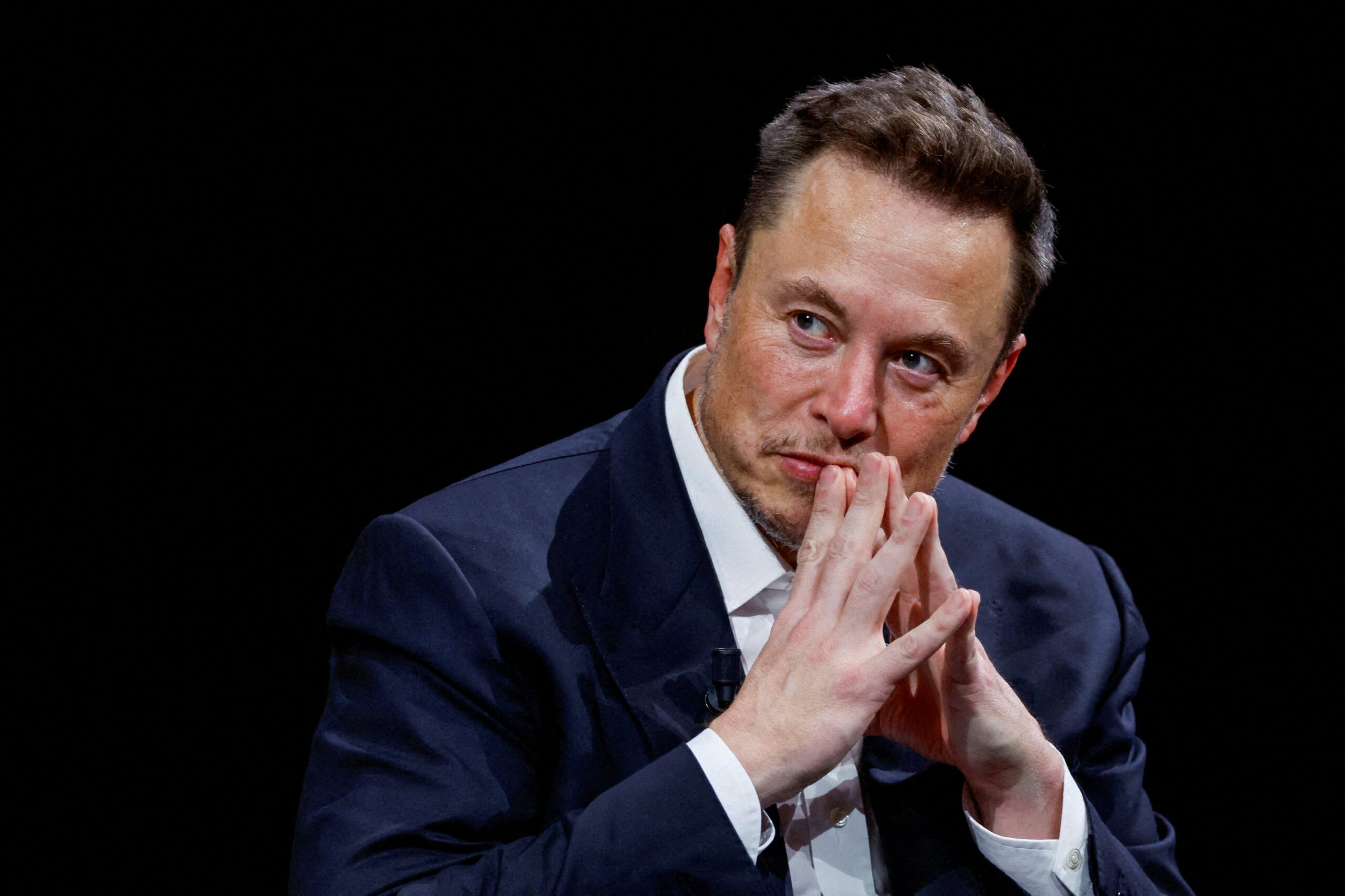
By John Ogunsemore
World’s richest man, Elon Musk has described overpopulation as the most nihilistic lie ever told.
The X owner took to the microblogging platform to air his views on Thursday in reaction to another X account decrying a decline in Japan’s population exacerbated by low birth rates.
“Japan’s population falling with 900,000 more deaths than births in 2024,” @stats_feed posted.
Reacting, Musk said, “Japan will lose almost a million people this year.
“This demographic inevitably was set in motion half a century ago and has nothing to do with AI.
“AI is the only hope for turning this around.”
Another account, @BigImpactHumans wrote, “It’s crazy that for years I believed the world was overpopulated because that’s the narrative I was fed. A lot of people fell for it. But in reality, we’re facing a population decline so severe that entire ethnic groups and cultures could be wiped out if nothing is done to reverse it. The Japanese people and their culture are beautiful, and I truly hope they continue to stick around.”
Other News
Responding, Musk said, “Overpopulation is the most nihilistic lie ever told.”
Musk has consistently expressed concern about underpopulation as an existential threat to humanity.
At different times, the Tesla and Space X CEO has warned that a collapsing birth rate could lead to societal and economic challenges, potentially endangering humanity’s future.
He argues that the narrative of overpopulation is outdated and misleading, often citing data showing fertility rates dropping below replacement levels in many countries, including Japan and South Korea.
Musk has also used his personal example of having multiple children to advocate for higher birth rates, encouraging people to have more kids to ensure a sustainable future.
Speaking at the All-In Summit in 2022, the father of 14 said, “population collapse due to low birth rates is a much bigger risk to civilisation than global warming.”