Follow Us on Google
By Juliana Taiwo-Obalonye
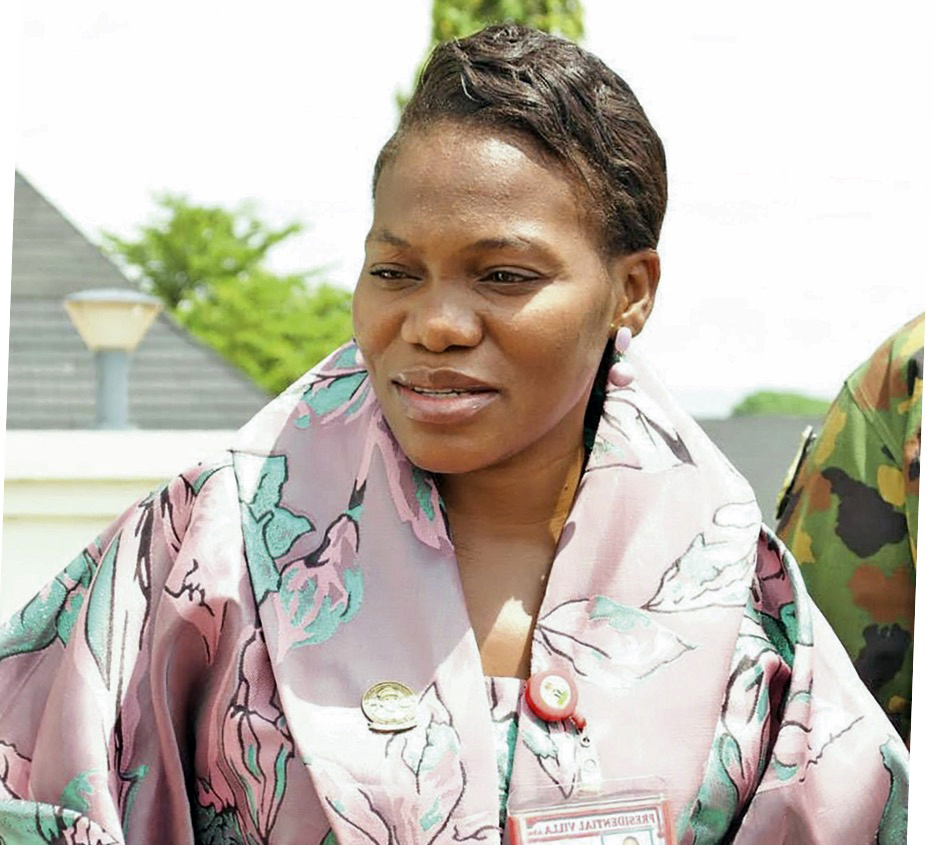
Abiodun Essiet, a nurse, gender activist and founder of the Abiodun Essiet Initiative for Girls, is Senior Special Assistant (SSA) to the President on Community Engagement for the North Central.
She has spent three years closing the trust gap between citizens and government. She created the Citizens’ Assembly platform, a volunteer network of 700 people across Kogi, Benue, Plateau and other states, to capture local concerns, push them to the President, and ensure federal interventions are understood and delivered.
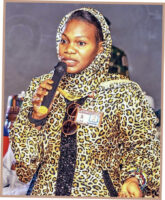
Her office has turned complaints into concrete action: shutting down an illegal surgery clinic within 24 hours, securing military checkpoints that ended kidnappings in Nasarawa for over a year, establishing peace structures in three states, and prompting the President’s push for a Forest Guard.
In this interview, Essiet talks on championing local government autonomy, civic education on tiers of government, and women’s political inclusion, among other issues.
You were appointed SSA on Community Engagement for the North Central in 2024. What was your vision for the role, and how has the Citizens’ Assembly Platform changed citizen–government interaction in the region?
Since my appointment as SSA on Community Engagement, my vision was to be the voice of the voiceless—ensuring citizens’ concerns across the North Central are captured in federal policy and reported, while also communicating the federal agenda and interventions clearly to people in my region. That vision led to the creation of the Citizens’ Assembly Platform.
As someone with 15 years in civil society, my drive was to make citizens hold the government accountable and be part of governance. I wanted to tell citizens that democracy is not just voting every four years; it’s working with the government throughout an administration. Another key reason was to bridge a trust gap revealed in our survey: people don’t trust the government, feel no government presence in their communities, and often only see governance during elections. Even the closest tiers of government are not close to people, so we created the Citizens’ Assembly to bring governance closer.
The platform gathers youth volunteers across the North Central who document community concerns and act as middlemen between my office and residents. They share feedback to the federal government on federal concerns and help citizens engage other tiers of government—which, despite policies like the Freedom of Information Act, often remain difficult to access. We now have over 700 volunteers doing this work.
The Tinubu administration turned three on May 29. For your office’s community engagement work, what key achievements can you credibly claim, and what major challenges have you faced in delivering the Renewed Hope Agenda?
Over the administration’s three years, our major achievement has been highlighting community voices to the President and securing executive orders to address key policies—proving that trust is built when concerns are addressed. We’ve driven public service efficiencies: a citizen reported a fake hospital performing unlicensed surgeries, and within 24 hours we shut it down after reporting to the FCT Health Secretariat. Citizen faith in government made this possible, and we have similar cases across the North Central.
We document concerns and report them to the Federal Executive Council and the President. Insecurity reports led to improvements: quicker responses to distress calls, peaceful environments in some communities, and the setup of peace structures in local governments across Kogi, Benue and Plateau to amplify dialogue and coexistence. Our findings on ungoverned forests and mass influx prompted President Bola Tinubu’s pronouncement on deployment of Forest Guards and to empower them with resources. By building trust, we’ve improved public services; federal interventions are now better received because communities know and my office monitors and evaluates government response.
On challenges, citizens sometimes misunderstand tiers of government and report non-federal issues; we explain responsibilities and how to pursue them. Multi-ethnicity in the North Central can let dominant groups dominate engagements; we ensure minority tribes, women and persons with disabilities get space, though cultural and religious mindsets still marginalise some groups and spark disputes. We address these through expertise in managing diverse interests. Insecurity has been an engagement challenge, but we secure support from agencies and traditional chiefs who provide intelligence and security. I’ve visited dangerous communities—places many didn’t expect a presidential aide to go—and use that operational strength to address concerns from the community’s perspective.
There’s controversy over the Presidency saying Nigerians who don’t know their local government chairmen shouldn’t protest President Tinubu’s economic policies. How do you respond to critics, and how does your community engagement work ensure citizens are heard while building trust in government economic decisions?
My work builds trust by responding to community concerns through the Citizens’ Assembly platform and sharing feedback. For example, after receiving a security report from Nasarawa State, we passed the intelligence to security agencies; a military checkpoint was established in an area previously dominated by kidnappers and bandits. Since then, the community has had no kidnapping incidents for over a year—strengthening trust between citizens and authorities. We have several similar cases.
On the President’s comment about people who don’t understand local governance shouldn’t protest: I’ve expressed this view before. Many citizens are disconnected from local governance—many can’t name their councillor or local government representative. At the federal level, we’re promoting local government autonomy because local governance is critical to nation-building. The President advocated for it and secured a Supreme Court order; we’re working to ensure its effect is felt, though some state governments have made implementation difficult.
Citizens need better civic education on the roles and powers of each government tier to hold officials accountable. In Canada, I saw transparency at the local level: public hearings, open proposals, and clear information on project awards. In Nigeria, many aren’t aware of what their local government does. This lack of civic education – combined with low formal education – makes people vulnerable and less able to engage with governance.
Since this administration took office, transfers to local and state governments have increased significantly compared to the previous one. However, awareness and civic participation remain weak; more work is needed to educate citizens on how government functions and where responsibilities lie.
Recent party primaries saw few women secure nominations or win positions. You’ve criticised the elite for sidelining women by limiting funding and party access. As a woman in the President’s inner circle, what concrete strategies are you pushing within the administration to reverse this and boost women’s political participation in the next cycle?
As a gender activist pushing for inclusion in politics, I must say the final primaries results aren’t out yet. From indications so far, I’m not sure women have gotten the tickets we wanted, but we’re still pushing—there are a couple of months before the final list is submitted to INEC.
The President has publicly stated on several occasions, including at our convention, that he wants more women in the NEC, national working committee, and across governance. Recently, a young woman was appointed to work with the Lagos State Governorship candidates, showing the President’s commitment to women’s inclusion. Women are being given tickets and positions from the House of Assembly up to the National Assembly.
In the current administration, over 30 women have been appointed as Special Advisors and Senior Special Assistants to the President—I coordinate this for political recognition. We also have many female Directors-General. The President is committed. We’re pushing for more quotas and ministerial positions in the next administration. Since the list isn’t out, we’re still advocating for women to be considered and given tickets, and we’re amplifying this with other political leaders. We remain open and hopeful things will be done properly.
You were born in Oyo Town and raised in Ibadan. You became the first woman to contest for councillor in your ward in its 23-year existence. What early experiences shaped your commitment to gender advocacy, and how did that 2018 campaign prepare you for your current Presidency role?
I have always been an advocate for gender equality. I wanted to improve local governance because the responsibilities of local government — managing markets and primary education — are closely linked to the daily lives and roles of women in society and in the family. That was one reason I decided to run: to improve focused services in those areas, which are a major focus of local government, and that’s how I entered politics at the local level.
Regarding my political career, in 2018 I campaigned, and later I contested for APC vice chairmanship of Abuja Municipal Area Council in 2021. After 2018 I was appointed as an aide to the AMAC chairman, where I performed well. That experience led to my nomination as the party’s first chairmanship candidate for the 2021 elections. The election didn’t end as we hoped — we faced internal party disputes and court cases — but the process helped shape where we are today. I’m grateful that the President recognised grassroots work and appointed someone with local level governance experience to a federal role. I appreciate the President for that recognition and appointment.
You hold degrees in Nursing Science and Public Health and are a certified midwife. How has that healthcare background shaped your community engagement approach, and how has widowhood after the loss of your husband, Late Brigadier General Victor Udoeka Essiet, affected your public service journey?
I am a nurse with a degree in nursing and a master’s in public health. That healthcare background is my foundation. I’m passionate about caring for people. In my civil society work, I’ve focused on providing health services, listening to people’s concerns, and addressing them. My interest in development comes from both the health and community angles; I want to see positive change and help people contribute to it.
Other News
Being embedded in communities has helped me understand how they manage health and well being, and it makes me relate to them better in my work. Losing my husband at a young age, a death I believe was linked to mismanagement in the health system, strengthened my advocacy for better health conditions across both public and private hospitals. That experience also made me aware of the specific challenges widows face in this country; widows are often not respected or given their rights.
Because I’ve been in that position, I am passionate about hearing and addressing the concerns of widows and other marginalised women. In every community I visit, I listen to people’s needs and try, in my own way, to address them. This background and these experiences have made me stronger and more committed to managing the concerns of vulnerable women.
What motivated you to start the Abiodun Essiet Initiative for Girls and National Director of Women, Gender, and Development Affairs at AYDEC Nigeria and what are your biggest achievements?
I launched my organisation more than 16 years ago after noticing a high prevalence of teenage pregnancy while in nursing school. I wanted to promote sexual education and help adolescents grow healthily. That work led to collaborations with international partners; I worked with the World Health organisation (WHO) on adolescents’ rights and reviewed sexual education policies in 10 countries to assess their impact on teenagers.
Many people don’t understand adolescents’ needs. The teenage years bring unique challenges as girls enter womanhood, and their concerns are often not properly addressed. We lack specialised adolescent clinics; general hospitals are not always places where teenagers can discuss sensitive issues privately. There is a clear need for dedicated adolescent services — safe spaces where teens can discuss sexual and other health concerns with professionals who understand them.
So I’ve focused on sexual education so teenagers can understand body changes and protect themselves. HYDEC was one of the key partners when we began our youth focused activism around youth inclusion and development. Most of our motivation came from addressing community needs, and we’ve had measurable impact. I’ve been recognised by NAPTIP for work addressing gender based violence, and I’ve received international recognition for defending the rights of youth and women. I am a Mandela Washington Fellow — the fellowship recognised the work I’ve done through the NGO and my efforts to promote young women’s inclusion in governance and development.
You said Nigeria’s politics is patriarchal and treats leadership as men’s domain. What obstacles have you faced as a woman in politics, what personal sacrifices did you make to break the glass ceiling, and what advice would you give young Nigerian women facing the same barriers?
As a gender activist and a woman in politics, I see the general challenges women face. Because of patriarchy and cultural and religious beliefs about women’s roles, women are marginalised first in the family, in the community, and in society. In the political space, that marginalisation makes things very difficult.
There was a time when a political leader asked me, “Have you asked permission from your husband before you ran? Because l want to sleep with you before I give you this ticket.” Women face a whole lot of abuse and harassment. Financial barriers are also a major challenge. Most women are not financially buoyant; only a few of us have the money to run. When we started, many of us did not have the funds, and that made it hard to find our way.
Party dynamics also matter. If you are not in tune with the party, you will encounter more challenges. I’ve addressed some of these barriers by being consistent, learning the work, learning how to play politics, and seeking allies among men who have been in this space longer. You need trusted people who understand you and can support women in their own ways. That support has been very helpful.
Once you enter politics, your orientation changes from activism to advocacy. I can’t be the same kind of activist in a space with the mandate to change things. I now advocate and appeal in subtler ways to address challenges, rather than being aggressively confrontational. That approach has been more effective.
As SSA bridging the federal government and communities facing economic hardship, what is the most difficult conversation you’ve had with frustrated citizens, and how do you maintain empathy while defending government policies amid the March 2024 survey showing substantial public dissatisfaction?
Okay. In my role as an SSA, one of the most difficult conversations I’ve had was about insecurity across the North Central region. Listening to people’s concerns and frustrations while trying to address those issues has been extremely challenging. My role is not to defend the government; it is to help the government understand what is happening on the ground and what the major issues in the community are.
When the whole issue of “Christian genocide” emerged, I was put on the spot because it happened in my region and because of the realities we encounter. People were being killed, but when the crisis is labelled in a particular way or used to promote other agendas, it makes honest conversation very difficult. Because I have worked in these communities and they trust me — they have seen me address problems before — they are more willing to believe what I say despite political or geopolitical narratives.
Managing discussions about insecurity often turns into a blame game: “This person killed people in my community,” or “That tribe attacked us.” I understand that perspective, but I also see the role some communities play in enabling violence, and the failures on their side. Before crises, we document trends and report them; we have intelligence on what is happening and the genesis of incidents. That background allows us to approach communities with facts and context, which helps them to accept uncomfortable truths about their own shortcomings.
I have mediated violent disputes between two tribes — the Fulani and a native group in one North Central area. Understanding the issues from both angles allowed me to manage the conversation because everyone needed to tell the truth. Many community members do not fully understand how outside leaders, wealthy actors, or vested interests manipulate them. I work with communities to separate rumour and manipulation from reality, warning them that those who incite often have security, media, and protection — while ordinary people bear the brunt.
Before any committee meeting, I already have intelligence; I have monitored the crisis and documented patterns. That preparation lets me reassure people and offer concrete steps. When I show that I understand the genesis of the problem and its trends, communities are more willing to walk a path toward stopping the crisis. That combination of trust, documentation, and contextual understanding has helped me manage some of the most difficult conversations about insecurity.
How will you ensure community engagement continues after the Tinubu administration? What long term mechanisms are you building?
To ensure community engagement continues, my office has worked with federal agencies to develop a policy framework – the National Stakeholder Engagement Framework – which we have drafted and submitted for the President’s approval. That framework draws on our community engagement experience and is intended to guide and sustain the work we’ve done, institutionalise those gains, and integrate community engagement into federal service delivery.
The framework instructs federal agencies and other tiers of government on how to engage citizens. We believe involving affected communities in decisions leads to better outcomes, builds trust, and empowers people. The framework emphasises a bottom up approach: those who are concerned or affected by issues should be brought to the table to help address them.
So that framework will also go for the approval of the CPEC soon. It has gone through different screenings, editing, and all the necessary reviews by the various agencies and parts of the federal government. Once it is launched, it will guide federal agencies on how community and stakeholder engagement should be conducted, and what tools or instruments should be used in designing closer engagement. That’s one of the things we’re working on to sustain our achievements so far.
What’s your most ambitious goal for women’s empowerment in Nigeria’s political space?
My most ambitious goal for women’s empowerment in Nigeria’s political space is to see more women elected and appointed to different positions. No nation can develop while leaving half its population behind; women have a critical role to play in governance. My role is to help women thrive in their positions and to ensure they are given opportunities. We also understand that power is not handed out — it is often taken. So I work to help women claim that power, speak up where necessary, and demand inclusion in everything we do.
You’ve spoken about being a widow and leading the Abiodun Essiet Initiative for Girls. How have you managed the roles of both mother and father for your three children, and how does your family support your public service work?
My family has been crucial since I became a young widow and mother of three. My mother moved in and family members take turns caring for the children so they get what they need and feel loved. That support has allowed me to focus on public service and kept my work from destabilising family life. I also rely on domestic staff to manage household affairs, and when I’m home I prioritise bonding with my children and playing both motherly and fatherly roles.
Spiritually, I trust God to sustain us; I often pray, “Father, I am a caretaker — you are the father and mother,” and I credit Scripture’s promise in Exodus that God is husband to the widow and father to the fatherless for helping me cope. Overall, family, household help, and faith together make it possible for me to serve effectively.
Where do you like to unwind in Nigeria? What foods do you enjoy? And which do you prefer – traditional Nigerian attire or contemporary Western fashion?
Beyond my public role, I don’t really have a single favourite place — anywhere I go in Nigeria feels like part of my work. Even at home, there is always something to do or an issue to address as a public servant, so it’s hard to fully switch off.
Travelling abroad helps me relax. I’m a frequent traveller because of my international development work and regular invitations from the UN and other agencies. Recently I took a one week leave that turned into a lecturing week: I gave lectures to PhD students about my work and global geopolitics. I often turn leave into opportunities to talk with young people and address global challenges. Travel is my best way to rest and get time for myself, because staying in Nigeria usually means there’s still work to be done.
I’m a pan Africanist and proud of it. You can see it in my attire — my earrings and brand use African beads. When I travel in Africa I buy local jewellery and fabric, and that influences my public appearance and dress. I actively promote African culture and development, and I’m not ashamed to wear anything from our continent. That passion for African progress is a core part of who I am.