Follow Us on Google

From Lateef Dada, Osogbo
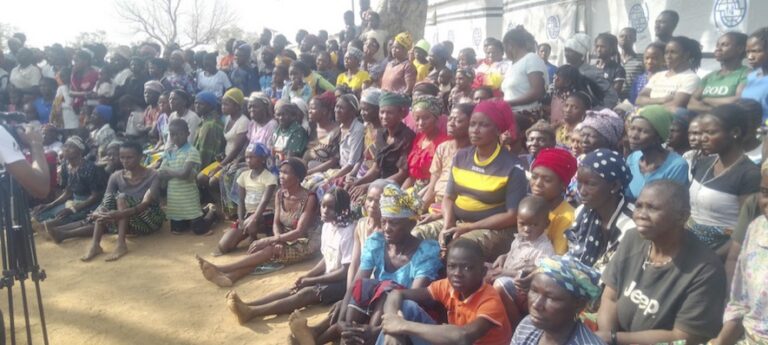
Residents of Agbinpa village in Ede South Local Government, Osun State, have openly declared their commitment to abandon Female Genital Mutilation (FGM).
This pledge was made yesterday during a public declaration ceremony organized by Action Health Incorporated (AHI), with support from the United Nations Population Fund (UNFPA). The community promised to cooperate with the government and stakeholders to eradicate FGM.
Adeleke Wasiu, a community leader, highlighted the challenges faced by FGM practitioners, attributing their reluctance to pursue alternative livelihoods as a reason for the persistence of the practice.
“As a community leader, this program is beneficial to us. We don’t fully understand the dangers of female genital mutilation, which is why we have been practicing it,” he stated.
Wasiu revealed efforts made to encourage FGM practitioners to transition to farming, which has shown some progress. He also appealed for government support to assist these practitioners in moving away from FGM. “For the meantime, we have advised the practitioners to go into farming, and they have started. They promised to stop it finally,” he added.
He declared that FGM has become a practise of the past in the community, promising to supervise the abandonment to ensure its effectiveness.
Other News
Ezeakolam Amarachi, the Programme Director of a community-based organization employed by AHI, Association of Icon Builders and Life-Changing Empowerment, Ezeakolam Amarachi, expressed concern over the high prevalence of FGM in Osun State, particularly in rural areas. Despite ongoing sensitization efforts, she noted that FGM remains a significant issue.
“We are here to sensitize the community on the dangers of female genital mutilation,” Amarachi emphasized. She pointed out that the World Health Organization has recognized FGM as a factor contributing to complications during childbirth and infections affecting women.
“It is essential for them to recognize that this practice is not only harmful but also a form of violence against female children. There are specific regions in Osun where FGM is still prevalent, even involving some health practitioners,” Amarachi said.
She said the dialogue surrounding FGM in Osun State reflects a broader challenge in fostering understanding and promoting the abandonment of harmful practices.
According to her, as community leaders and organizations work together, the hope is to create a more informed and supportive environment to eliminate FGM and protect the rights and health of women and girls in the region.