Follow Us on Google
•Uncertainty lingers over Venezuela’s output
By Uche Usim
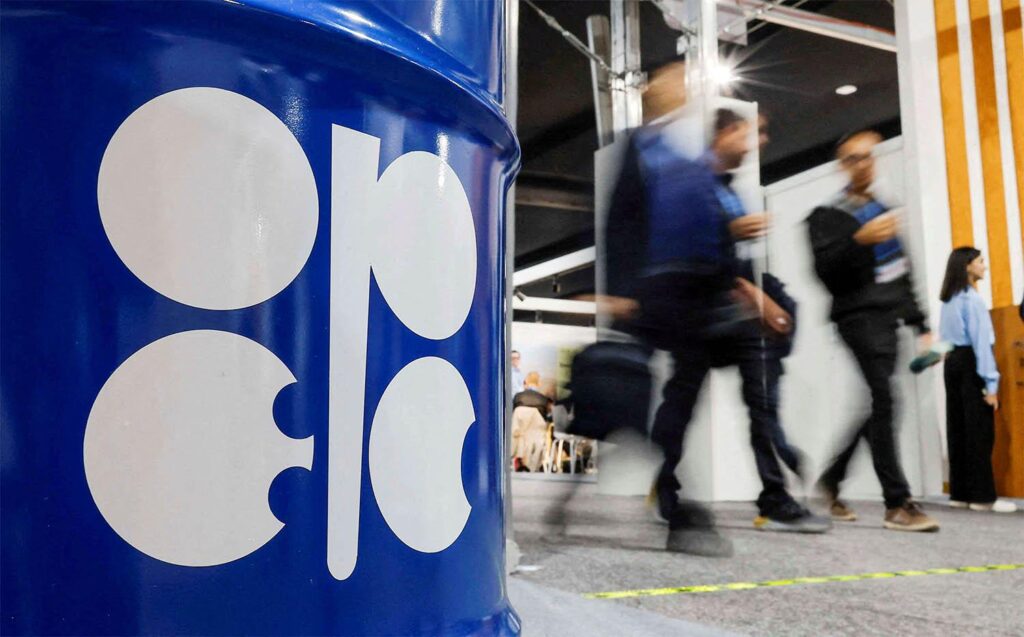
Nigeria may see slower growth in its oil revenue in early 2026 after the Organisation of Petroleum Exporting Countries plus (OPEC+) decided to pause plans to increase oil production for the first quarter.
The decision, made in a short meeting on Sunday, led by Saudi Arabia and Russia, comes as the world already has more oil than it needs and uncertainty lingers over Venezuela’s output, especially after the United States government captured its President, Nicholas Maduro, at the weekend to answer for various crimes.
OPEC+ is made up of 23 major oil-producing nations working together to coordinate global production levels.
For Nigeria, Africa’s top oil producer and a key OPEC member, the implications are immediate. Oil revenues remain the lifeblood of government spending and foreign exchange earnings, making any stagnation in global prices a direct constraint on the 2026 budget. While maintaining production levels could prevent sharp price declines, it also curbs opportunities for revenue growth, challenging the government’s fiscal planning.
Venezuela, which currently produces around 800,000 barrels per day, well below its vast potential, adds an element of uncertainty. Any return to full production in the future could further depress global prices, putting additional pressure on Nigeria’s oil earnings. In this context, analysts note that Nigeria must focus on optimising current production, safeguarding pipelines and addressing chronic challenges like crude theft and underinvestment that have historically hindered output.
OPEC+’s decision also highlights wider structural pressures in the oil market.
Last April, the group rapidly restarted production curtailed since 2023 to regain market share from U.S. shale producers, even as global supply remained sufficient. Yet, physical production limits and prior overproduction issues have meant that actual increases have fallen short of planned targets.
For Nigeria, this highlights the importance of aligning domestic output with OPEC directives to maximise revenue.
The short-term outlook suggests stable but subdued oil prices, meaning Nigeria must navigate fiscal and currency challenges carefully. Policymakers are likely to face tough choices: balancing the budget, managing debt, and accelerating diversification beyond oil to reduce vulnerability to global supply swings. Strengthening non-oil revenue streams and improving the efficiency of existing oil operations will be critical strategies in this period.
According to experts, OPEC+’s supply pause is a reminder of Nigeria’s dual vulnerability and opportunity. While global supply decisions set the market tone, the country’s ability to convert its vast oil resources into sustained revenue depends on addressing domestic production bottlenecks and fiscal planning. Early 2026 will test Nigeria’s resilience, strategic planning, and capacity to safeguard its oil-dependent economy against global market uncertainty.