Follow Us on Google
From Juliana Taiwo-Obalonye, Abuja
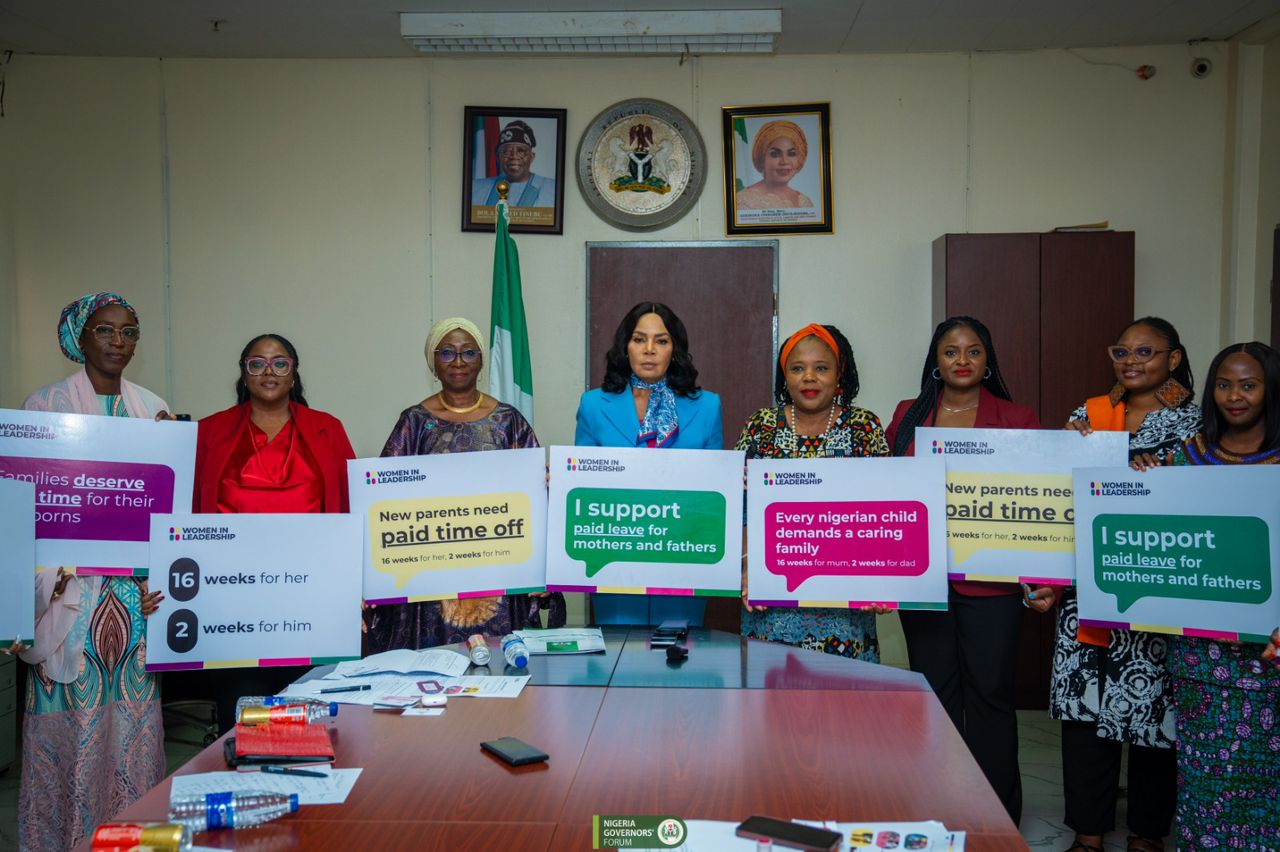
The Minister of State for Labour and Employment, Nkeiruka Onyejeocha, has affirmed strong government commitment to gender-inclusive leadership and workplace equity at a coalition engagement held on Wednesday, November 26, 2025, in Abuja. She hailed the coalition’s vision to promote women’s participation in decision-making as “perfectly aligned” with President Bola Ahmed Tinubu’s Renewed Hope Agenda.
Addressing members of WILAN, WIMBIZ, WISCAR, the Nigerian Governors’ Forum, development partners, and the media, Onyejeocha emphasised, “Gender-inclusive leadership is not just about fairness; it is a strategic imperative. No nation can expect to achieve sustainable socio-economic development, global competitiveness, or institutional resilience if half of its population is under-represented in the rooms where critical decisions are made.” She pledged the Ministry’s full support in advancing gender equity across sectors.
On labour reforms, she highlighted the Ministry’s drive towards modernising policies to reflect workforce realities, citing the National World of Work Gender Policy developed with OXFAM and ILO. The Minister noted the focus on “eliminating discrimination, violence, and harassment” and strengthening enforcement “to ensure compliance with maternity protection, safe workplaces, equal pay, and family-friendly environments.” She declared, “These reforms are essential for reducing barriers that hinder women’s entry and advancement in the labour market.”
She also urged Corporate Nigeria to embrace diversity and support initiatives fostering work-life balance, mentorship, and equitable recruitment. “Women constitute a significant portion of the educated workforce, yet remain under-represented in leadership and executive roles. We are committed to partnering with this coalition to develop gender-inclusive workplace guidelines that will help organisations create environments where women can thrive, innovate, and lead.”
On governance, she called for at least 35% female representation across federal, state, and local levels, describing it as “not only fair but necessary for balanced and empathetic leadership.” She linked women’s participation to “greater accountability, stronger community engagement, and more sustainable policy outcomes.” She also stressed the need for deliberate workforce gender inclusivity in Nigerian Stock Exchange-listed companies, pledging collaboration with regulatory bodies and civil society to promote “gender-responsive corporate governance, leadership development, and talent acceleration for women.”
Other News
Onyejeocha reaffirmed, “The Ministry of Labour remains committed to ensuring every Nigerian—man or woman—has an equal opportunity to contribute to national development. Leadership must be determined by competence, character, and capacity—not gender.” She expressed gratitude to coalition members for their advocacy and partnership, envisioning workplaces, boardrooms, and institutions “reflecting the true strength of our nation—our people.”
Speaking earlier, Director of the Gender Affairs Department at the Nigeria Governors’ Forum and CEO of the Governors’ Spouses Forum, Hauwa Haliru, stressed that the Spouses Forum continues to lead advocacy for improved family-friendly workplace policies across Nigeria, pushing for six months of paid maternity leave to be adopted by at least 26 states by 2027.
She emphasised the Forum’s commitment to persuading government entities to extend maternity leave beyond the current 16 weeks and also advocated for paternity leave to promote shared parenting responsibilities. The Forum, she said, has observed nine states passing such policies in 2023 and aims for wider adoption nationwide with the support of ministries and policymakers to unify advocacy efforts and policy consistency.
Haliru said the Forum would want the Minister of State for Labour and Employment, and other government officials to champion this cause within the framework of ongoing labour reforms, including efforts to standardise parenting support, protect against pregnancy discrimination, and recognise informal caregiving work. They emphasised integrating gender-responsive provisions into labour laws to address workplace discrimination, support flexible work arrangements, and incentivise companies adopting family-friendly policies.