Follow Us on Google

From Juliana Taiwo-Obalonye, Abuja
The National Social Insurance Trust Fund (NSITF) said it has processed and paid over 136,000 claims since its inception.
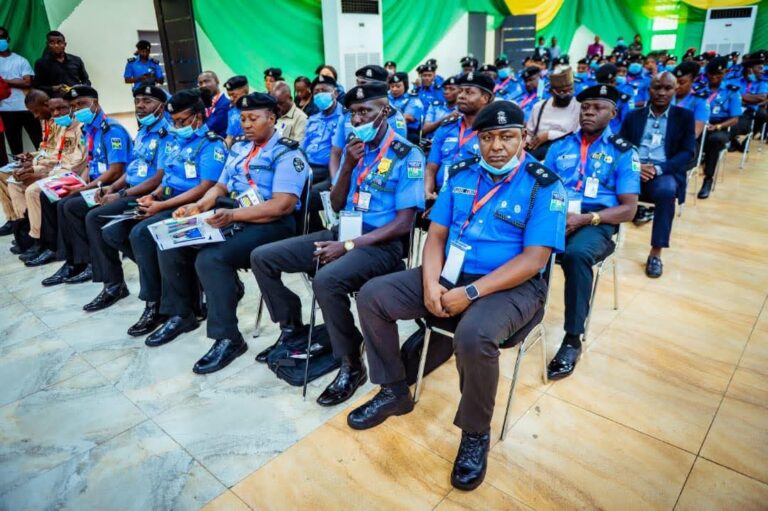
General Manager of the Claims and Compensation Department, Nkiru Ogunaike, made the disclosure at the opening of a two-day sensitisation workshop for desk officers of the National Health Insurance Authority (NHIA) and NSITF, yesterday.
The claims cover a wide range of incidents, including death, injury, disability and occupational disease, as well as rehabilitation efforts, such as the provision of prosthetics and even funding treatments abroad when necessary.
She highlighted the agency’s dedication to enhancing the welfare of civil servants through effective implementation of the Employees’ Compensation Scheme (ECS). The workshop, themed, “Bridging the Gaps Between Policy and Practice in the Implementation of the NHIA Act 2022 and Employees’ Compensation Act of the NSITF,” aims to empower key personnel across ministries, departments and agencies (MDAs) with the capacity to better serve government employees.
She described the workshop as an extension of the visionary leadership of the Head of Service of the Federation, Didi Walson-Jackson, praising her for bringing the welfare of civil servants to the forefront of public service concerns. “This event marks a laudable idea by the Head of Service. She has brought the welfare of civil servants to her front corner. This is one of the many occasions we have participated in with regard to improving civil servants’ welfare.” Ogunaike provided a comprehensive overview of the Employees’ Compensation Scheme, explaining that it was grounded in the Employees’ Compensation Act 2010, which repealed the earlier Workmen’s Compensation Act. “The Employees’ Compensation Scheme covers employees, who sustain injuries resulting from accidents while working, commuting to work, road traffic accidents, industrial accidents and even disabilities arising from occupational diseases. It also covers death in the course of work. That is what ECS is all about,” she said.
She stressed that all civil servants and public service employees are fully protected under the scheme, provided their agencies contribute to the fund. “The message we are passing on today is that civil servants and public service employees are fully covered under the scheme. As long as the government is contributing and covering for them under ECS, they have protection when an eventuality occurs.”
Highlighting NSITF’s achievements, she revealed that the agency has “processed and paid over 136,000 claims since inception.”
Ogunaike recounted the significant financial assistance provided to families, noting, “We have beneficiaries receiving up to ₦1.2 million monthly until the youngest child attains the age of 21. These are children who lost a breadwinner in the course of work, and NSITF steps in to care for these beneficiaries.”
Addressing frustrations frequently expressed by civil servants about the claims assessment process, she acknowledged the challenges. “There are concerns about the process of assessing benefits,” she said candidly. “Many civil servants have raised issues, and some even give up trying to access their entitlements.”
She stressed that the workshop’s purpose was to tackle these very issues directly, through heightened awareness and capacity building of desk officers.
To further streamline the compensation process, NSITF has established a dedicated desk office within the Occupational Safety and Health Department under the Head of Service’s Welfare Office.
“We have set up this desk specifically to attend to claims promptly and reduce bureaucracy that negatively impacts employees affected by workplace accidents, deaths or disabilities.”
She expressed optimism that this new structure would “ensure timely access to benefits for employees across MDAs.”
Assistant Director at NHIA, Sylvester Abba, underscored the important role desk officers play as the authority’s frontline representatives. “These officers are our ambassadors, our eyes within the MDAs,” he said. The workshop aims to equip them with a firm understanding of their roles, rights and responsibilities under the NHIA Act 2022.
Abba elaborated on civil servants’ entitlements under the scheme, emphasising enrolment, quality care at primary healthcare facilities and timely referrals to secondary care when needed.
Other News
He assured participants, saying, “You are entitled to enrol your children and make changes to your records, such as updating your name or dependents, or even switching healthcare providers.” He conveyed the expectation that desk officers would relay this information clearly to the enrollees, empowering them to fully access their benefits.
On the obligations of the enrollees themselves, Abba noted: “You must present yourself for the enrollment and attend the hospital with your ID card for recognition.”
He highlighted the portability of services, saying: “If you are out of station, you still have the right to receive care from any of our accredited facilities nationwide.”
Regarding service delivery, Abba noted that quick and responsive care is a priority.
“The enrollee has the right to feedback on whether services were prompt. We have a dedicated department handling complaints, so if you’re dissatisfied, you can reach out by writing, calling, emailing or visiting our offices.”
Deputy Director of Occupational Health, Safety and Environment, Idris Aminu, emphasised the event’s importance in advancing civil servants’ welfare; a key mandate of the Office of the Head of the Civil Service.
Aminu highlighted the ongoing reforms under the NHIA Act 2022, describing them as ushering a new era toward Universal Health Coverage, while reaffirming the critical role of the Employees’ Compensation Act administered by NSITF in protecting employees from workplace injuries and related risks. He stressed that desk officers are pivotal links between their MDAs and these social protection schemes, requiring thorough knowledge of policies and procedures to ensure effective implementation.
He characterised the workshop as a vital capacity-building exercise aligned with public sector reforms, promoting transparency and efficiency.
He urged full participation and engagement, expressing confidence that attendees would return better equipped to foster compliance and support their colleagues.
In her keynote address, Permanent Secretary of the Service Welfare Office, Patience Oyekunle, welcomed participants, highlighting the workshop’s theme, “Bridging the Gap Between Policy and Practice in the Implementation of the NHIA Act, 2022, and the Employee Compensation Act.”
She underscored the pivotal roles of NSITF and NHIA in Nigeria’s social protection landscape. While NSITF is providing social security and compensation for occupational hazards, the NHIA ensures access to quality, affordable healthcare through insurance. Emphasising collaboration with the Office of the Head of the Civil Service, she noted that the workshop’s strategic timing reflects the government’s dedication to strengthening institutional capacity, fostering synergy among agencies, and maximising civil servants’ benefits.
The Permanent Secretary stressed that desk officers are the operational backbone of MDAs, responsible not only for applying policies but also for ensuring efficiency and coordination. Highlighting the challenges caused by the inconsistent understanding of guidelines, she said the workshop aims to enhance knowledge of operational protocols, clarify roles, harmonise procedures and build capacity in documentation, data management and beneficiary engagement to promote transparency and accountability.
She urged participants to move beyond mere compliance, stressing the importance of consistent and compassionate application of guidelines as their actions directly influence civil servants’ trust in government programmes. She encouraged active engagement, learning from peers and applying insights to improve service delivery.
Recognising the necessity of ongoing feedback and monitoring, the Permanent Secretary called for establishing clear channels to address challenges post-workshop. She praised NSITF and NHIA management and facilitators for their role in driving the collaboration and challenged them to keep training relevant and evidence-based.
She described the sensitisation as more than routine, urging attendees to emerge better informed, inspired and committed to serving with excellence and integrity. She officially declared the workshop open, wishing all a productive session.