Follow Us on Google
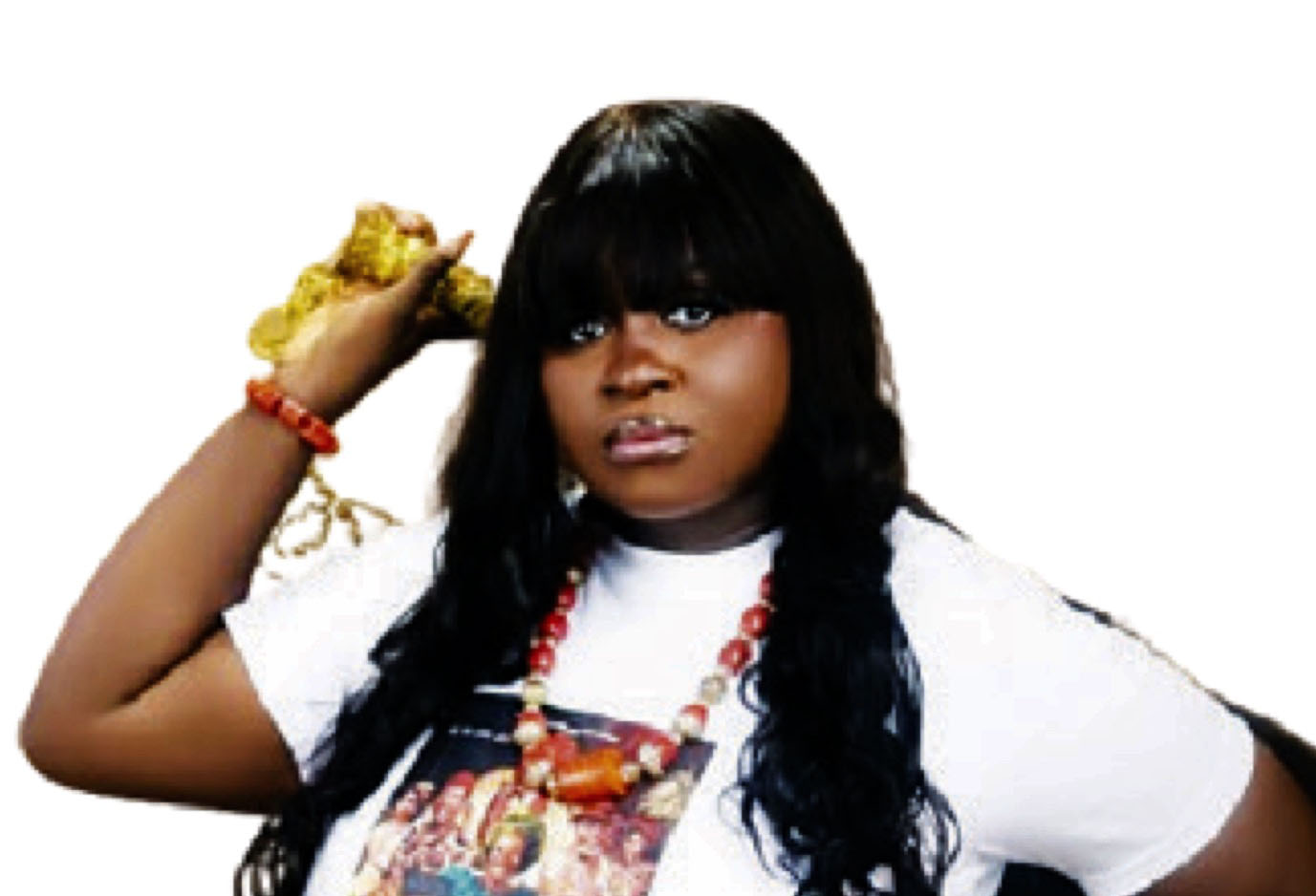
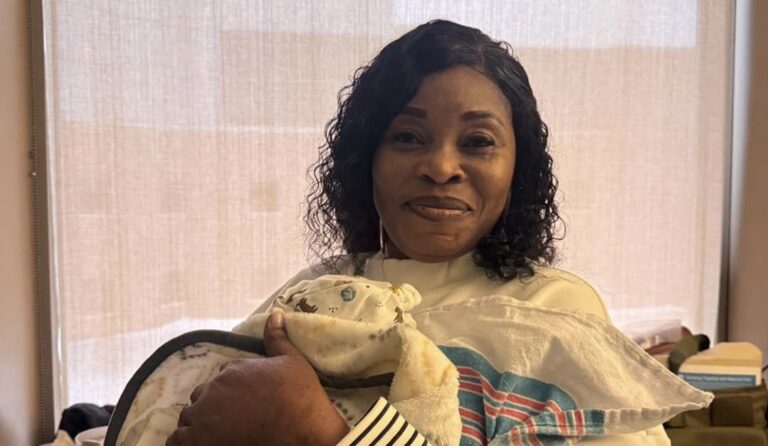
From acting to welfare, production, and now executive producer, Anita Ngozichukwuka Odiakaose has steadily carved a niche for herself in Nollywood.
The Delta State-born filmmaker is currently basking in the success of Ikenga: The Last Festival, the Igbo-language cultural epic she produced, which has crossed the N100 million mark at the box office just one month after hitting the cinemas.
In this interview with Saturday Sun, Odiakaose opens up on her Nollywood journey, the risks behind Ikenga, working with men in the industry, the business of filmmaking and more.
Excerpts:
As one of the executive producers of the highest-grossing Igbo film in Nigerian cinemas, Ikenga: The Last Festival, what was the inspiration behind the project?
The major motive was to promote our Igbo culture and traditions.
How do you feel seeing the film become the highest-grossing Igbo movie?
Honestly, I don’t even have the perfect words to describe how I feel. Seeing the film become the highest-grossing Igbo movie in West Africa is not just a personal achievement for the team and I, it is a deeply emotional moment for everyone who believes in our culture, our language, and our stories. When we started this journey, I knew we were telling a story, but I didn’t know how far that story would travel. Today, seeing Nigerians and people across the world embrace Ikenga and make history with us is overwhelming. I feel grateful. I feel humbled. I feel proud. Most importantly, I feel hopeful—because this has shown us that our indigenous stories can fill cinemas, break records, and compete on the biggest stages.
Ikenga: The Last Festival is bigger than me. It belongs to Ndigbo. It belongs to everyone who bought a ticket, brought a friend, shared the movie, promoted it, and believed in the vision. This is only the beginning.
Igbo stories have a place on the global stage, and we are coming.
Is it the first film you have delivered as the executive producer?
No, I have done over 70 films for YouTube and all, but this is my first cinema film.
Can you mention some titles?
Vanity, Beyond Games, My Entitlement, My Only Love, etc.
What has been your major challenge as an executive producer?
Entertainment is not just about having a great idea. You need the resources, the right people, distribution, marketing and a strong support system to bring that idea to life and reach the audience it deserves. There have been moments when I had to put everything on the line because I believed so strongly in a project. Ikenga: The Last Festival is a perfect example. It was a huge responsibility, but I knew the story deserved to be told and that our culture deserved to be represented on a bigger stage.
Another challenge is getting people to believe in you, especially as a filmmaker building your own path. But I’ve learned that sometimes you have to believe in your vision before everyone else does.
So, instead of letting the challenges stop me, I’ve used them as motivation. Every obstacle has taught me to be more resilient, more strategic and more determined to create opportunities for myself and for other African storytellers.
Can you recall your journey into Nollywood?
I didn’t start as an Executive Producer. My journey into Nollywood actually started with acting. I entered the industry as an actor, driven by my passion for storytelling and my desire to be part of the creative process. Along the way, I became involved in welfare and began to understand the industry beyond just what happens in front of the camera.
That experience opened my eyes to the production side of filmmaking. I became increasingly interested in how stories were developed, financed, organised, and brought to audiences. Eventually, I transitioned into producing.
From being an actor to working in welfare to becoming a producer and eventually an Executive Producer, it has been a gradual journey of learning, growth, and taking on greater responsibility. Today, with Ikenga: The Last Festival, I can look back and appreciate the journey because every stage prepared me for where I am now. I didn’t just enter Nollywood as a producer; I grew into it.
Looking back, do you feel fulfilled in your chosen career?
Yes, absolutely. I feel fulfilled, not because the journey has been easy, but because I know I’m doing something I genuinely love.
Looking back at where I started as an actor, then moved into welfare, production, and eventually became an Executive Producer, I can see how every stage shaped me and prepared me for where I am today. There have been sacrifices, disappointments and difficult moments, but there have also been incredible rewards. Seeing a project like Ikenga: The Last Festival connect with audiences, celebrate our Igbo culture and make an impact gives me a deep sense of fulfilment.
For me, fulfilment is knowing that I am not just making movies; I am contributing to the preservation of our stories, creating opportunities for other creatives and showing that our indigenous stories can reach the world.
So yes, I would choose this journey again. And honestly, I feel like I’m only just getting started.
Have you ever experienced intimidation by your male counterparts because it’s obviously a male-dominated industry?
Honestly, I wouldn’t say I feel intimidated. I see it more as a challenge to keep proving myself through my work.
Yes, the entertainment industry can be male-dominated, and as a woman, there are times you have to work twice as hard to earn the same level of recognition and respect.
But I have never allowed that to make me feel less capable. I believe competence, consistency and character speak louder than gender. When you know your craft, understand your business and remain committed to your vision, you earn your place at the table.
Working alongside talented men has also taught me a lot. I don’t see them as people I have to compete with simply because they are men.
I see them as colleagues, collaborators, and sometimes people I can learn from. My goal is not to prove that women are better than men. My goal is to show that women belong in every room where decisions about our industry are being made. And I hope my journey inspires more women to step forward, take up space and build boldly in the entertainment industry.
Do you miss facing the camera as an actor and wish to sometimes appear in the movies you produce?
Not all. I am comfortable producing for now.
Just as some actresses lament sexual harassment, do producers face similar issues?
Yes, producers can face uncomfortable situations, too. Sexual harassment is not limited to actresses; women working behind the scenes can also experience inappropriate advances, pressure, or situations where someone tries to take advantage of their position.
For me, the important thing is having boundaries and knowing what you will and will not tolerate. As a producer, you work with different people—actors, financiers, marketers, distributors, and other industry stakeholders—so professionalism and mutual respect are extremely important. I have learned to be firm about my boundaries and to make it clear that opportunities should never come with conditions that compromise a person’s dignity or values.
I also believe the industry needs stronger professional structures where people, especially young women, can speak up and seek help without fear of losing opportunities.
Talent should be enough. Nobody should have to trade their dignity for a role, a production opportunity, or career advancement.
Production costs have risen significantly in Nigeria. How do you manage the pressure to deliver quality productions when rising costs of equipment, talent, locations, and logistics often stretch budgets?
It is definitely one of the biggest realities we face as filmmakers today. Production costs have gone up significantly, from equipment and transportation to accommodation, locations, feeding, and talent. So, you have to be very intentional with every naira you spend.
For me, the first thing is proper planning and budgeting. Before I go into production, I try to understand exactly what the story requires, where we can negotiate, and where we absolutely cannot compromise on quality.
I also believe in building good relationships with people in the industry. Sometimes partnerships, collaborations and negotiated rates can make a huge difference. You have to know how to maximise the resources available to you without compromising the vision. And most importantly, I don’t believe a bigger budget automatically means a better film. It’s about how intelligently you use what you have. You can have a huge budget and still produce something without soul, while a well-planned production with limited resources can connect deeply with audiences.
Looking at your own career, what is the one decision you made as an executive producer that was particularly difficult but ultimately changed the way you approach filmmaking and the business of Nollywood?
One of the most difficult decisions I made was taking full responsibility for a project I genuinely believed in, even when the safer option would have been to play small. With Ikenga: The Last Festival, I took the risk of investing heavily in the story, the production, and, most importantly, how we presented our culture to the audience. It came with financial pressure and many difficult decisions, but I believed strongly in the vision. That experience also taught me the importance of partnership and collaboration.
Along the journey, I was fortunate to have Great Itoya come on board as a partner. That partnership showed me that you don’t always have to carry the entire weight alone. The right partner can bring a different perspective, strengthen the business side and help you take a bigger vision further.
It changed the way I approach filmmaking today. I no longer look at a movie only through a creative lens. I look at the business, financing, partnerships, marketing, distribution and sustainability from the very beginning. Being an Executive Producer has taught me that sometimes the biggest growth comes from knowing when to take the risk yourself—and when to bring the right people on board to build something bigger together.
Honestly, Ikenga: The Last Festival has opened a new chapter for me. It has shown me that when we tell our stories authentically and package them properly, audiences are ready to embrace them.
What is next for you after Ikenga?
So, what’s next?
Bigger stories, bigger collaborations and a stronger global presence. I’m already looking at projects that will take our stories beyond Nigeria and connect with the African diaspora.
I also want to build more opportunities for young filmmakers, actors and creatives who have the talent but may not have the platform.
And of course, the journey with Ikenga is not over. We are looking at taking the film to more international audiences in the USA, UK, Canada, Europe, and Africa – and using it to open conversations about our culture, identity, and heritage.
My ultimate goal is to build Billionaire Black Boss Production into a company that doesn’t just make movies, but builds intellectual properties, creates jobs and takes African stories to the world. Ikenga was a milestone, but I don’t see it as the destination. It’s the beginning of an even bigger journey.