Follow Us on Google
The Nigeria Natural Medicine Development Agency (NNMDA) has called for sweeping reforms to elevate traditional medicine through rigorous training and systematic documentation, urging Nigeria to follow the example of China and India in institutionalising indigenous healing practices.
The appeal was made in Lagos to mark the 2025 African Traditional Medicine Day. The annual observance, held every 31 August, is dedicated to raising awareness of the role of traditional medicine in improving health and well-being across the continent.
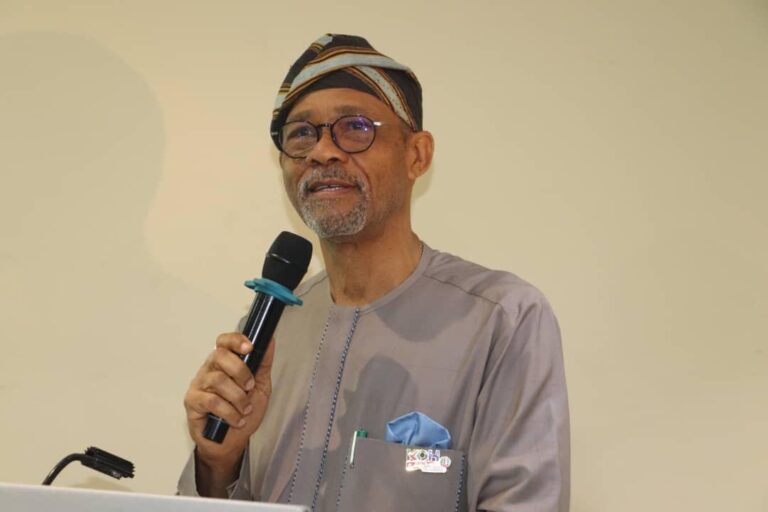
Speaking, Director-General, NNMDA, Prof. Martins Emeje, call for cultural acceptance, transparency, and structural reform in the way Nigerians view and practice traditional medicine. He lamented that many citizens shy away from acknowledging its value, despite the fact that traditional healing has been part of African life for centuries.
According to him, more than in any other area of health, people are ashamed of even talking about traditional medicine. “But the truth is, it has always been here with us, long before modern hospitals, long before Western drugs. “It has carried families, it has healed communities, and it is part of our identity. If we want to move forward as a nation, we must stop treating traditional medicine as an inferior or secretive practice. We must bring it into the light.”
Emeje argued that just as universities and professional councils certify doctors, pharmacists, and lawyers, traditional medical practitioners must also be given a clear pathway for training and recognition. “We have over 200 universities in Nigeria. Each of them trains professionals under the regulation of the National Universities Commission. When you complete your training, you get a degree your certificate is the evidence of your knowledge.
He continued: “But that is not the end of the journey. After earning your degree from a university, you must then be admitted into a professional council.
For doctors, it is the Medical and Dental Council of Nigeria; for pharmacists, the Pharmacy Council; for lawyers, the Council of Legal Education; and for nurses, the Nursing and Midwifery Council. These councils serve as watchdogs, setting standards and ensuring that professionals practice responsibly and ethically.”
Other News
“Why then should traditional medicine, which sustains over 70 percent of our people, be left without proper academic training and professional regulation? The traditional medical practitioners are professionals in their own right. They deserve structured training, certification, and professional guidance just like every other sector.”
He explained that the NNMDA Act mandates the agency to train traditional medical practitioners, describing it as “the academic equivalent of a university for traditional medicine.” While NNMDA handles academic training, he clarified, the proposed Traditional Medicine Council will oversee professional conduct and ethics.
“The Council Bill cannot take over academic training; its role will be professional regulation. Together, these two arms will ensure that traditional medicine is not only preserved but also elevated to international standards.”
The DG further highlighted the progress the agency has made in the past two years, including the accreditation of the College of Natural Medicine, the launch of short training courses, and the establishment of Nigeria’s first national digital database for traditional medical practitioners.
“We now have a system where our healers are no longer just names whispered in villages, but documented professionals whose records audio, video, and written can be accessed anywhere in the world. This is the best thing that has happened to this country in this field,” he declared.
Delivering the keynote presentation, neurotoxicologist and integrative medicine expert, Dr. John Tor-Agbidye, underscored the urgent need for structured record-keeping and practitioner education. He pointed out that nearly 70 percent of Nigerians rely on traditional medicine, yet much of the knowledge is transmitted orally by herbalists, bone setters, birth attendants, and healers, many of whom lack formal education.
“Documentation and training are the panacea for building credibility and trust in traditional medicine. They foster integration into national health systems, encourage innovation and new drug discovery, and protect cultural heritage for future generations,” he added.