Follow Us on Google
• Families, students in Anambra community battle 150 % increase in housing costs
From David Onwuchekwa, Nnewi
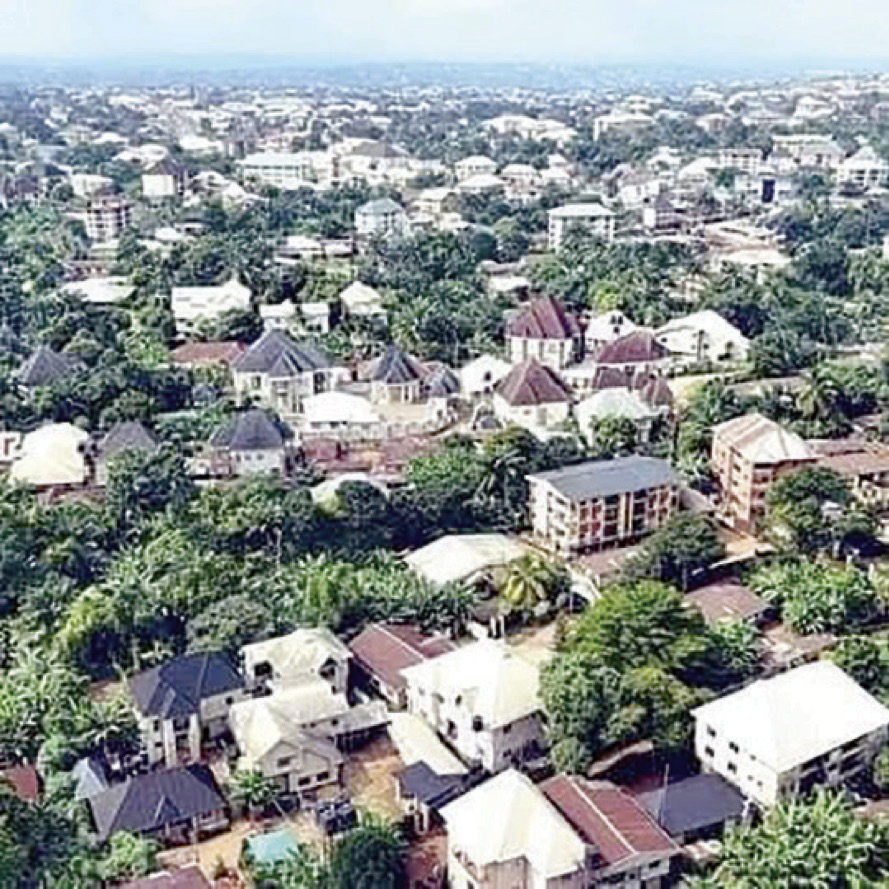
Rising house rents have become a major concern for residents of Nnewi, Anambra State, with tenants, students, traders and civil servants struggling to cope with accommodation costs that have risen sharply over the past three years.
Across Otolo, Uruagu, Umudim, Nnewichi and other parts of the industrial town, annual rents have increased significantly since 2023, placing additional pressure on households already grappling with inflation and the high cost of living.

Many residents say the current rent levels are no longer in line with prevailing economic realities, as wages and business incomes have not increased at the same pace.
Rents rising beyond reach of many residents
House rents in many parts of Nnewi have recorded substantial increases since 2023.
Apartments that previously attracted between N180,000 and N250,000 annually now cost between N500,000 and N800,000 in many locations, while newly built and well-finished apartments command even higher prices.
Property owners attribute the increases to rising costs of building materials, labour, maintenance, electricity and security.
Tenants, however, maintain that the increases have become excessive, especially in view of the prevailing economic situation.
Many landlords also demand one or two years’ rent in advance, making it difficult for many prospective tenants to secure accommodation.
Students face growing accommodation challenges
The situation is particularly pronounced around Okofia, Otolo Nnewi, where the Nnewi campus of Nnamdi Azikiwe University is located.
Accommodation costs around the campus have risen considerably, with one lodge apartment now costing between N600,000 and N700,000 per annum, excluding agency fees, caution fees and other charges.
The development has made it increasingly difficult for indigent students to secure accommodation close to the campus.
Many students now seek accommodation in more distant communities where rents are relatively lower, while others share rooms with several occupants to reduce costs.
Some students also rely on financial assistance from parents, relatives, religious organisations and friends to remain in school.
Landlord defends lodge rents in Okofia
However, a property owner in the Okofia area of Nnewi, where many students of the Nnewi campus of Nnamdi Azikiwe University reside, Mr Jude Udegbe has rejected claims that accommodation costs in the area are excessively high.
Mr Udegbe argued that annual rents of between N400,000 and N550,000 for student lodge apartments are justified, considering the rising cost of maintaining the facilities and providing essential services.
According to him, lodge apartments that charge N550,000 per year offer uninterrupted electricity throughout the year, with landlords spending heavily on diesel daily to power generators in line with their rental agreements with tenants.
“Those who do not provide electricity rent their apartments for about N400,000 per annum. So, charging between N400,000 and N550,000 is not excessive when you consider the cost of running the lodges,” he said.
Udegbe explained that many landlords make little or no profit after paying for diesel and carrying out routine maintenance, adding that the country’s economic realities have made property development and management far more expensive.
He noted that the soaring prices of building materials, especially cement, have made it difficult for prospective investors to construct new houses.
“When the economy was stable, cement prices remained the same for a long time, making it easy to prepare a realistic building budget. Today, cement may sell for N10,000 and rise to N12,000 tomorrow. The constant fluctuations make planning almost impossible, and many people can no longer afford to build new houses,” he said.
The landlord further argued that accommodation costs in the wider Nnewi area reflect prevailing market realities, claiming that a self-contained apartment in some parts of the town now rents for as much as N600,000 annually.
“In areas with high demand for student accommodation, the pressure is even greater,” he added.
He also dismissed the argument that landlords should keep rents low because housing is a long-term investment, insisting that maintenance costs have risen sharply.
“If a house develops a leaking roof today, the rent collected for an entire year may not be enough to replace the roofing sheets. You can only understand this if you are a landlord,” he said.
Udegbe added that rental prices for residential apartments in Nnewi vary depending on the age and location of the property. According to him, while some tenants pay as much as N1.5 million annually for a two-bedroom apartment, others pay N1 million or as low as N300,000 for older buildings whose owners may have long recovered their investment.
Other News
He maintained that the current rental rates are driven more by rising operating and maintenance costs than by profiteering on the part of landlords.
Families resort to shared accommodation
High rents have also affected family living arrangements.
Some families now share flats with relatives to reduce accommodation expenses, while young couples increasingly remain in their parents’ homes because they cannot afford independent accommodation.
In some cases, friends and colleagues jointly rent apartments to spread the financial burden.
Residents say these arrangements have become more common as housing costs continue to rise.
Residents adopt various coping strategies
Many residents have adjusted their spending patterns to meet rising accommodation costs.
Some have relocated to older buildings with lower rents, while others have moved farther away from the commercial centre in search of more affordable housing.
Many households now devote a larger proportion of their annual income to rent, leaving less money for education, healthcare, transportation and other basic needs. Some workers rely on cooperative societies, loans and personal savings to pay annual rents.
Relocation to outlying communities increases
The increase in rents has encouraged many residents to relocate from the urban centre to neighbouring communities where accommodation is relatively cheaper.
Although the move reduces housing costs, it often results in higher transportation expenses and longer commuting times.
Estate observers say demand for accommodation in communities surrounding Nnewi has increased as more residents search for affordable alternatives.
Sharp increase since 2023
Residents and property agents say rents have generally increased by between 50 and over 150 per cent in many parts of Nnewi since 2023, depending on location and the type of accommodation.
Areas close to commercial centres, markets and educational institutions have recorded some of the highest increases because of sustained demand.
The continuous rise in accommodation costs has widened the gap between household incomes and housing expenses.
Government intervention suggested
Stakeholders say government intervention is necessary to address the growing housing challenge.
They recommend increased investment in affordable housing, improved access to housing finance, incentives for private developers to build low-cost rental accommodation, expansion of student hostel facilities and improvements in road infrastructure to neighbouring communities.
They also advocate policies that encourage fairness in tenancy agreements while protecting the interests of both landlords and tenants.
Growing concern over housing affordability
The continued rise in house rents has become one of the major economic concerns facing residents of Nnewi.
Students, workers, traders and families are adjusting to higher accommodation costs through shared housing, relocation and reduced household spending.
With rents continuing to rise and incomes remaining under pressure, many residents believe that improving access to affordable housing will require coordinated efforts by government, private developers and other stakeholders.
The Anambra State Government, they noted, must move swiftly to address the worsening housing crisis through deliberate policies and legislative action.
Said a resident and public affairs analyst: “One immediate step is to enact and enforce laws that will check the excesses of exploitative landlords who impose arbitrary rent increases, outrageous agency fees and other unfair charges that place an unbearable burden on tenants.
“Beyond regulation, the government should invest in the development of affordable low-cost housing estates across the state, particularly for low and middle-income earners. Such projects would not only provide decent accommodation but also help moderate the cost of rent through increased housing supply.
“The state should also explore practical measures to reduce the high cost of building materials. “This could include providing incentives for local manufacturers, supporting the production of alternative building materials, reviewing taxes and levies that contribute to rising costs, and encouraging public-private partnerships in the housing sector.”
Another resident also counselled the government. His words; “Policies that simplify land acquisition, improve access to affordable mortgage financing and strengthen urban planning would go a long way in making home ownership and decent housing more accessible to residents.
“Together this and other measures would help create a more balanced housing market while protecting citizens from exploitation and ensuring sustainable urban development.”