Follow Us on Google
By Chinenye Anuforo
[email protected]
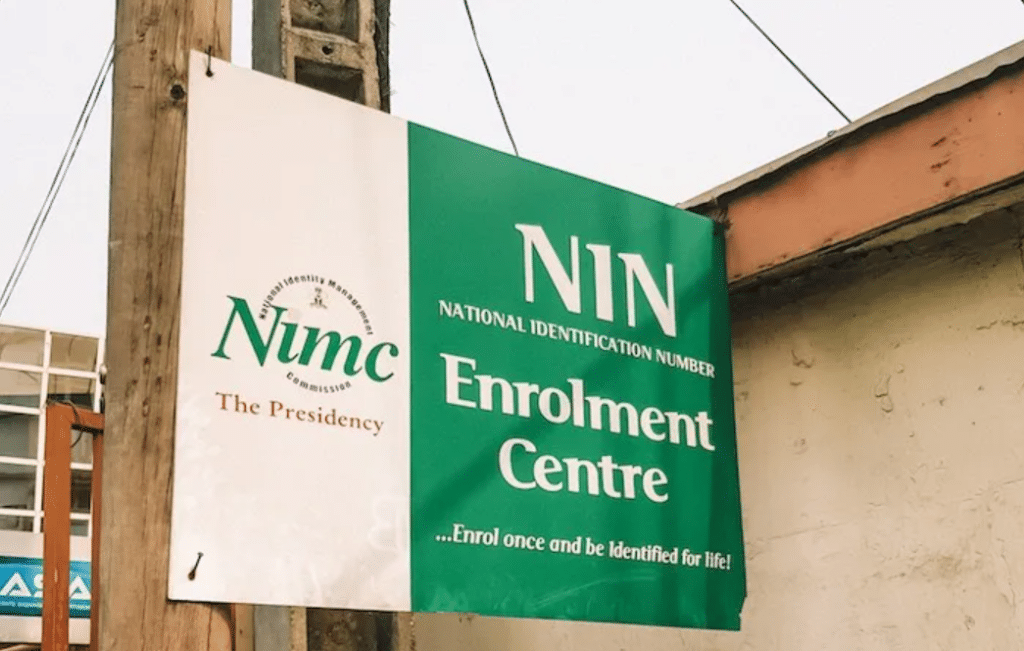
Nigeria needs to issue 62.5 million more National Identification Numbers, NINs, by December to meet the 180 million target under the World Bank-backed Digital Identification for Development, ID4D project.
The latest implementation assessment of the project showed that the National Identity Management Commission, NIMC, had issued NINs to 117.5 million people as of June 30, 2026, from 134.6 million enrolments.
The figure leaves the country with a gap of 62.5 million NINs to reach the 180 million target by the end of the year.
At the current rate of between 1.5 million and 1.8 million enrolments monthly, however, the country would need to substantially accelerate the process to meet the target.
The monthly pace would have to rise to about 7.4 million to close the gap within six months, representing more than four times the current rate.
The ID4D project, implemented by NIMC, was approved in 2020 to establish a robust and inclusive foundational identity system that would improve access to government and private-sector services.
Nigeria has made significant progress since the project began, with the number of NINs increasing from a baseline of 36.9 million in October 2019 to 117.5 million issued by June 2026.
The World Bank assessment said the project had also licensed 362 front-end enrolment partners, trained nearly 34,000 people and equipped 46 Nigerian government offices abroad to enrol citizens.
More than 13.4 million people were also using digitally enabled services linked to the identity system by June, surpassing the project’s target of three million.
However, experts said the push to increase the number of NINs must not compromise the quality and reliability of the national identity database.
The Founder and Chief Executive Officer of Africa Tech Factory, Kelechi Ndieze, described the 180 million target as ambitious but necessary given Nigeria’s population and the importance of a functional foundational identity system.
He said the success of the programme should not be judged only by the number of people captured, but also by whether the identities are unique, accurate, secure and usable for verification.
An AI and cybersecurity expert, Adeoye Abodunrin, said the real challenge was not simply producing 180 million NIN records but ensuring that they represented trustworthy digital identities.
He noted that the remaining population could be more difficult to reach because women, children, rural residents, elderly people and Nigerians in the diaspora are among those who may still be outside the system.
The World Bank figures showed that women and girls accounted for about 40.4 million of the NINs issued by June, compared with a target of 79 million.
Other News
Children below the age of 16 accounted for 26.3 million, against a target of 60.8 million.
To improve coverage, NIMC has embarked on ward-level enrolment campaigns, expanded its enrolment partnerships and plans to procure 7,000 MOSIP-certified devices.
The commission is also offering a 20 per cent premium on enrolment payments for women as part of efforts to increase female participation.
A research analyst at the Centre for Democracy and Development, Dengiyefa Angalapu, however, said the quality and usability of the identity system should receive greater attention than simply meeting the December target.
He warned that the urgency to increase enrolment could create pressure to prioritise speed over proper identity verification.
Another issue highlighted in the assessment is the difference between enrolment and NIN issuance.
While 134.6 million people had been enrolled by June, only 117.5 million had been issued NINs, leaving a difference of 17.1 million.
Experts explained that the difference did not necessarily mean that the people had been excluded from the system.
They said enrolment involved the capture of demographic and biometric information, while issuance followed after processing, validation and deduplication.
The process is designed to prevent duplicate or poor-quality records from being issued as valid identities.
Meanwhile, NIMC is developing the next-generation National Identity Management System, NIMS 2.0, based on the Modular Open Source Identity Platform, MOSIP.
The World Bank assessment said the system integrator contract was being finalised, with implementation expected to take about 18 months.
The development means that Nigeria is expanding NIN coverage while also upgrading the infrastructure required to manage, authenticate and use the identities at scale.
The importance of the system has grown as NINs become increasingly connected to banking, telecommunications, healthcare, social protection and other services.
The Federal Government has also positioned NIN as the country’s foundational identity credential under the new NIMC Act 2026, which strengthens the commission’s role in Nigeria’s digital identity and trust infrastructure.
Experts therefore said the ultimate measure of the NIN programme should not only be whether Nigeria reaches 180 million by December, but whether the identities captured are unique, accurate, secure and usable across different services.