Follow Us on Google
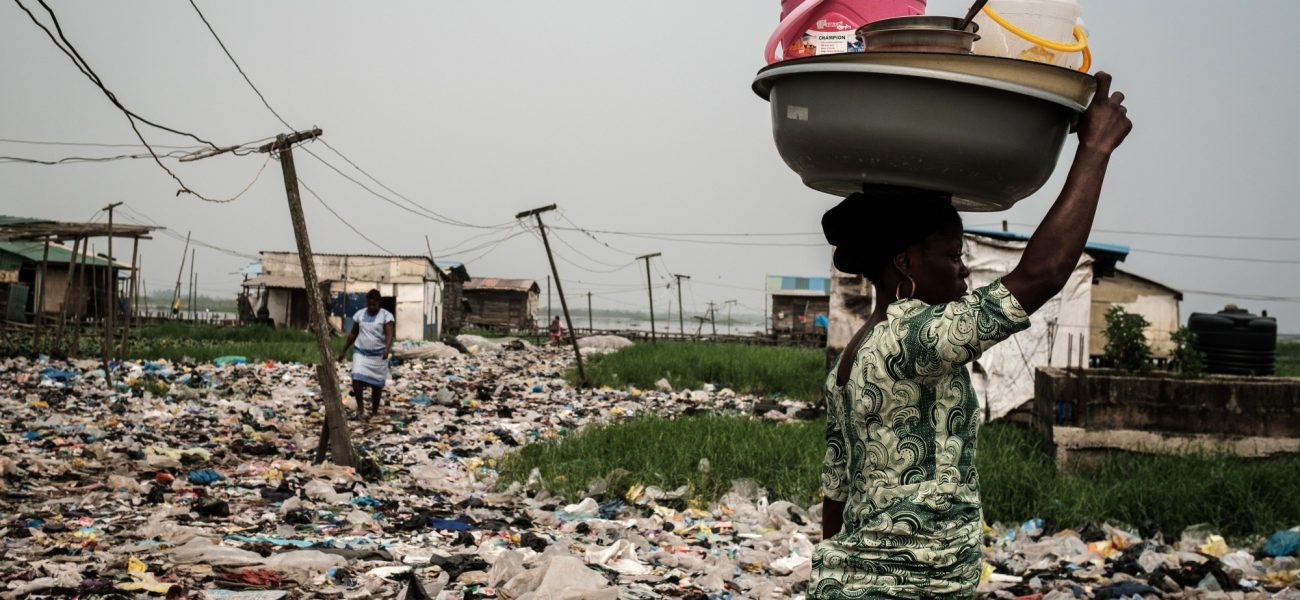
Nigeria has been in the league of poverty-stricken countries for too long. The disturbing fact is that rather than ameliorate, the problem continues to worsen. The Nigeria Living Standards Survey estimated that about 40.1 per cent or 82.9 million Nigerians lived in poverty in 2018/19. The figure ballooned to 56 per cent or 113 million people in 2022/23 according to World Bank estimate. The 2022 Multidimensional Poverty Index (MPI) showed that 63 per cent of Nigerians or 133 million people are multidimensionally poor. In 2025, an estimated 139 million Nigerians lived below the poverty line.
A recent report by PwC that at least 141 million Nigerians, representing 62 per cent of the population, are projected to become poorer by December 2026 calls for urgent action on the part of all stakeholders in Nigeria. The PwC’s Nigeria Economic Outlook 2026 warns that recent policy adjustments to stabilize the economy are yet to translate into tangible gains for the citizens.
The report, titled, “Turning Macroeconomic Stability into Sustainable Growth,” notes that despite expectations that headline inflation may gradually moderate, weak real income growth and persistently high living costs are likely to push millions more Nigerians into poverty over the next two years. It estimates that most Nigerians may not experience income increases that will meaningfully offset rising costs.
PwC explains that what contributes to this worsening poverty is the consumption pattern of low-income households, whose total consumption is on food (about 70 per cent). This leaves them vulnerable to food price increases. Even if headline inflation eases slightly, the firm states that energy costs, logistics expenses, and exchange rate effects will continue to keep the prices of food and other essential goods high.
Unfortunately, government appears bent on continuing with its stifling policies which have elevated poverty to a very high level. The floating of the exchange rate and removal of fuel subsidy had engendered headline and food inflation that has made a mess of people’s income. The worst is that many companies either folded up or exited the country due to harsh economic environment. This led to loss of jobs.
According to the Manufacturers Association of Nigeria (MAN), about 767 manufacturing companies shut down operations while 335 experienced distress in 2023. The Nigerian Economic Summit Group (NESG) reeled out a higher figure. According to the group, about 7.2 million Micro and Small Medium Enterprises (MSMEs) closed down between 2023 and 2024.
Last year, the Catholic Bishops Conference of Nigeria warned that the present administration’s economic reforms had triggered high inflation and pushed millions of Nigerians into poverty. Nigeria is among the countries classified as hunger hot spots in the world. It has continued to perform woefully in the Global Hunger Index. The United Nations had projected that 82 million Nigerians or 64 per cent of the population might go hungry by 2030. At the rate the poverty is growing, this may be worse than projected.
For many workers, their take-home pay hardly takes them home. The present government increased minimum wage from N30,000 to N70,000 in 2024. Yet, many states of the federation are not able to pay this money, which, in the present realities, can hardly sustain a family of four for a few days.
Despite this state of affairs, government officials continue to revel in profligacy. The Federal Government has spent billions of naira on presidential aircraft, exotic vehicles and houses for political office-holders. The FG also spent N90 billion to subsidise hajj in 2024. A good number of citizens have committed suicide on account of poverty. Some have developed mental illness. Last year, there were hunger protests in different parts of the country.
PwC recommends sustained macroeconomic stability, food supply reforms, strong job creation, effective social protection, and increased investment in agriculture and logistics among others, as some of the ways to tackle the problem of poverty.
We agree with the firm. Government should give priority to agriculture and encourage farmers to go into all-season mechanized farming. It should provide security for farmers who are often waylaid and killed by herdsmen in the North.
There is every need to diversify the economy and engage in job creation ventures and human capital development. Government should encourage the manufacturing sector. Infrastructure development is essential. If there is power and well developed road and rail networks, it will go a long way in enhancing the economy and consequently reduce poverty. Access to quality education and health care will help. Good education, including skill acquisition programmes, makes way for good jobs while quality health care engenders a healthy population and workforce. Government should increase the budgetary allocation to these two important sectors.
Government should also do away with profligacy and be serious with the fight against corruption. This will ensure that the available limited resources will reach target audience. Social safety nets like the N-Power and Conditional Cash Transfers (CCT) should be improved upon. Nigeria is greatly endowed with human and natural resources. It has no reason to be among the league of poor countries.