Follow Us on Google
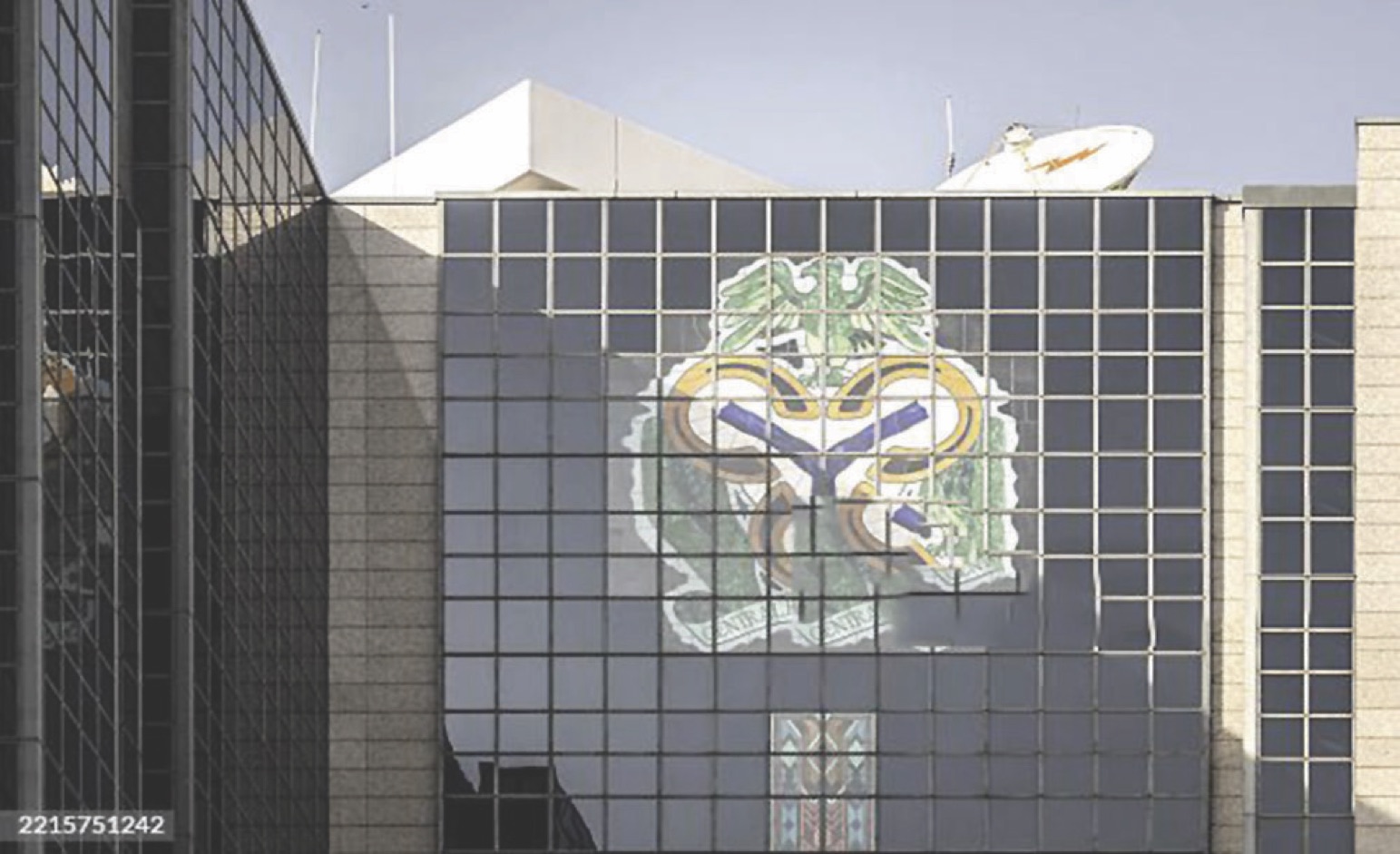
The Central Bank of Nigeria (CBN) has said Nigeria’s recent monetary and foreign exchange reforms demonstrate that economic recovery is achievable when difficult policy decisions are implemented consistently, but warned that such reforms alone cannot deliver Africa’s long-term growth ambitions.
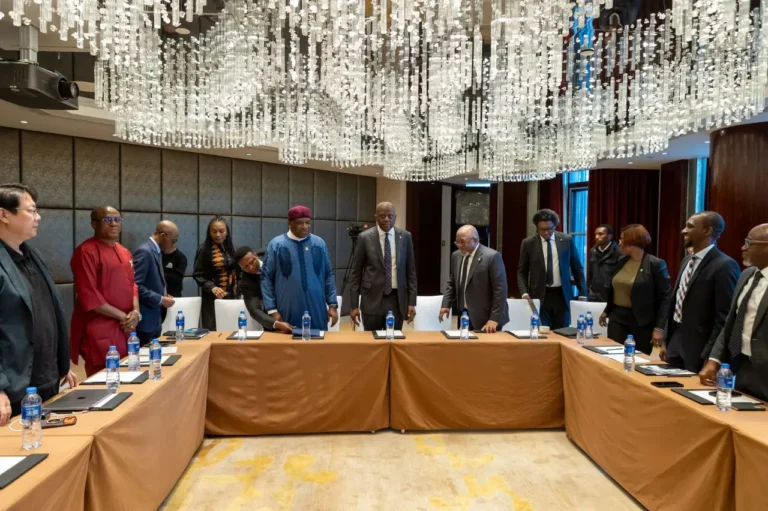
Speaking at the opening of the 7th Africa Emerging Markets Forum in Abuja on Wednesday, the CBN’s Deputy Governor for Corporate Services, Muhammad Sani Abdullahi, said African countries must complement macroeconomic reforms with structural measures that improve productivity, attract investment and strengthen institutions.
The two-day forum, co-hosted by the CBN, the Emerging Markets Forum and the Centre for the Study of the Economies of Africa (CSEA), brought together policymakers, central bank officials, academics, business leaders and development partners to discuss strategies for building more resilient emerging economies.
Abdullahi said Nigeria’s experience showed that disciplined reforms could restore macroeconomic stability despite prevailing global economic uncertainties.
“Nigeria’s experience shows that recovery is possible when difficult reforms are backed by a consistent and disciplined policy. It also shows that no country can navigate today’s global pressure alone and that monetary and foreign exchange reforms, important as they are, cannot by themselves address Africa’s long-term productivity constraints,” he said.
He noted that over the past two years, the CBN had implemented wide-ranging reforms, including the unification of foreign exchange windows, tighter monetary policy, settlement of verified foreign exchange obligations and the introduction of an electronic foreign exchange trading platform to improve transparency and price discovery.
According to him, the reforms have narrowed the gap between the official and parallel exchange rates while strengthening Nigeria’s external position.
He disclosed that the country’s gross external reserves rose to $52.52 billion as of July 17, providing about 11 months of import cover, while net external reserves recovered to more than $43 billion.
Abdullahi also said inflation had begun to ease, real Gross Domestic Product (GDP) growth had returned, and non-oil exports increased by 13.7 per cent year-on-year, adding that the reforms had reduced distortions associated with the previous foreign exchange regime.
Other News
Despite these gains, he cautioned that macroeconomic stability alone would not guarantee long-term prosperity, stressing the need for stronger institutions, improved productivity and sustained investment.
“What matters now is the execution of sound policy, disciplined institutions and the willingness to confront difficult trade-offs,” he said, urging African countries to learn from one another while tailoring reforms to their unique economic realities.
In his opening remarks, CBN Governor Olayemi Cardoso said emerging economies must move beyond merely responding to global disruptions and begin shaping the evolving global economic order.
According to him, geopolitical fragmentation, changing supply chains, rapid technological advancement and evolving financial systems present both challenges and opportunities for Africa.
“The question before us is no longer whether change is coming. Change is already here. The real question is whether emerging markets will simply adapt to this new order or play an active role in shaping it,” Cardoso said.
He said Africa’s youthful population, expanding consumer markets, abundant natural resources and entrepreneurial talent position the continent for economic transformation, provided governments pursue sound policies, strengthen institutions and deepen regional cooperation.
Cardoso added that the CBN’s ongoing reform programme was anchored on transparency, policy credibility and good governance, noting that stronger institutions would be critical to sustaining economic progress.
“The early signs of renewed confidence in Nigeria’s macroeconomic direction affirm that disciplined reform delivers lasting results,” he said.
The forum is expected to feature discussions on trade and investment, digital transformation, financial inclusion and institutional strengthening, alongside a fireside chat between World Trade Organisation Director-General Ngozi Okonjo-Iweala and Cardoso on navigating the changing global trading system while pursuing inclusive growth.