Follow Us on Google
By Agatha Emeadi
Foreign investment in Nigeria is increasingly translating into physical infrastructure, jobs, local procurement and economic activity, as multinational companies continue to commit significant capital to telecommunications, manufacturing, construction and other sectors.
From telecommunications towers and fibre networks to cement plants, factories and major road projects, much of the capital invested in Nigeria is being converted into fixed assets that remain within the country and support economic activities long after the initial investment is made.
A prominent example is MTN Nigeria, which deployed approximately N1.62 trillion in network infrastructure between January 2025 and June 2026 across about 66,000 sites, according to figures cited in the company’s investment activities.
During the same period, the telecommunications company reportedly paid N622.6 billion in taxes, duties and regulatory levies, while spending about N1.5 trillion on Nigerian suppliers and service providers.
The expenditure has supported activities across the telecommunications value chain, including tower construction and maintenance, fibre deployment, technical services, logistics and other ancillary businesses.
The wider telecommunications ecosystem is estimated to support about two million jobs in Nigeria through direct employment, agency networks, trade partners and businesses that depend on connectivity.
The impact of long-term investment is also visible outside the telecommunications sector.
Dangote Cement invested N729.8 billion in its Nigerian operations in 2025, expanding production capacity and strengthening manufacturing infrastructure in the country.
Similarly, the Coca-Cola system generated an estimated US$1 billion in value-added economic activity in Nigeria in 2024, according to a statement attributed to President Bola Tinubu at the Nigerian Bottling Company’s 75th anniversary celebration in September 2026. The system was also said to support more than 160,000 livelihoods across its value chain.
Nestlé Nigeria, meanwhile, has maintained manufacturing operations in the country for more than six decades, with facilities including its plants at Agbara and Flowergate.
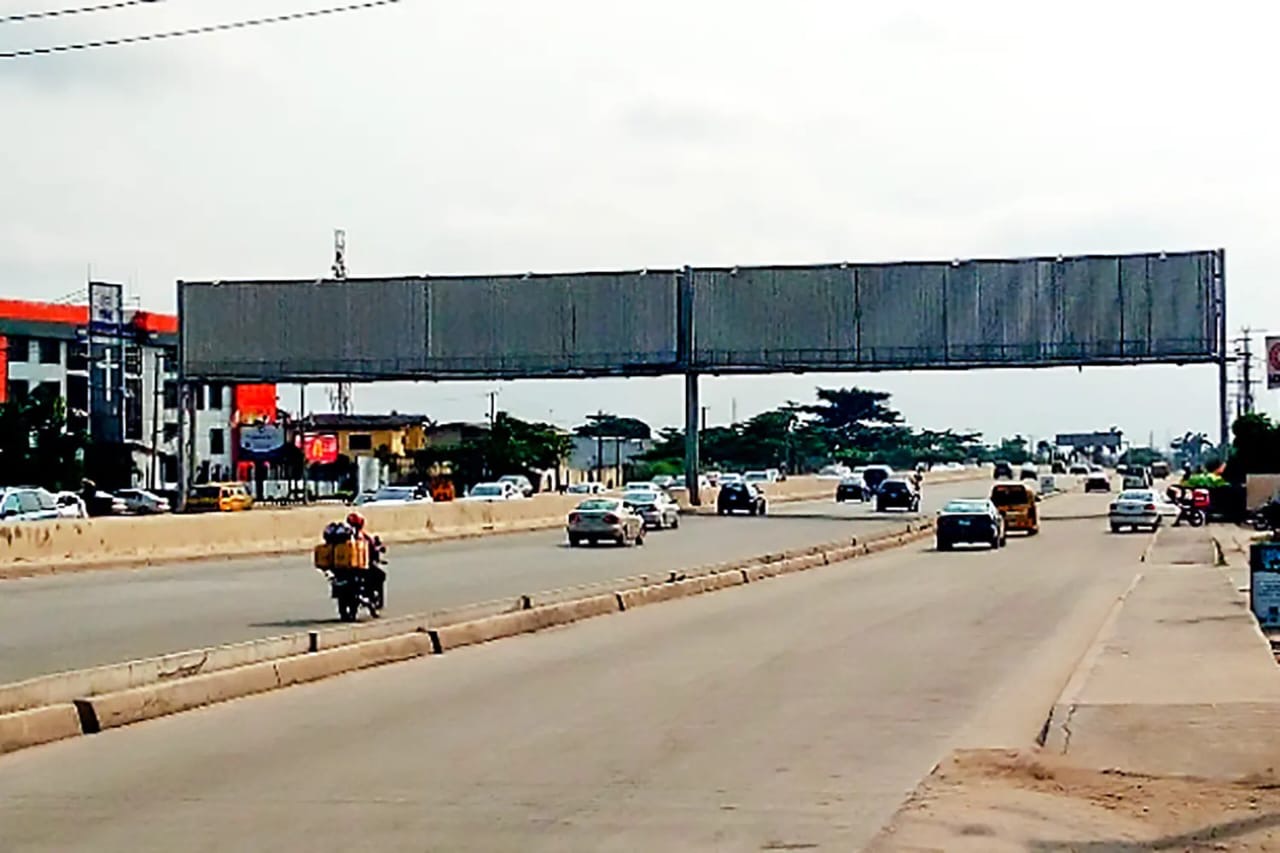
The conversion of private capital into physical infrastructure is particularly evident in major road projects undertaken through the Federal Government’s Road Infrastructure Tax Credit Scheme.
MTN committed N202.8 billion to the reconstruction of 110 kilometres of the Enugu-Onitsha Expressway under the scheme. The project was reported to be more than 75 per cent complete.
Dangote Industries also used the scheme to finance the reconstruction of the 36-kilometre Apapa-Oworonshoki-Ojota Expressway in Lagos at a reported cost of N73 billion.
The road, which connects the Apapa port area with other parts of Lagos, was completed and inaugurated in 2024.
Such projects have implications beyond the companies that finance them, as the resulting infrastructure is used by commuters, traders, transport operators and businesses across different parts of the country.
Speaking at the United Nations General Assembly in 2024, business man Aliko Dangote called on wealthy Nigerians to increase investments in the domestic economy.
“No nation develops without significant investments. I appeal to all wealthy Nigerians to look inward and invest here,” Dangote said.
The call comes amid continuing efforts by the Federal Government to attract both domestic and foreign capital into productive sectors of the economy.
Dr Muda Yusuf, Chief Executive Officer of the Centre for the Promotion of Private Enterprise, has also described Nigeria’s recent economic reforms as providing “important foundations for investment and growth”, while noting that macro-economic stability should ultimately translate into increased productivity and economic expansion.
As Nigeria continues to debate the role and ownership of foreign capital, the physical assets created through such investments remain part of the country’s economic landscape.
Telecommunications towers, fibre networks, factories, cement plants and roads cannot be relocated once they have been built and integrated into the economy.
The debate over the origin of capital therefore increasingly intersects with another question: what that capital has built, where those assets are located, and how they contribute to economic activity and livelihoods in Nigeria.