Follow Us on Google
In 2025, Nigeria’s non-oil exports totaled over $6.5 billion. Analysts estimate the country could have reached $12–15 billion if more producers, aggregators, and small-scale operators had access to international markets.
Yet participation remains limited for many due to dependence on traditional networks, restricted industry access, and the complexities of logistics and procurement.
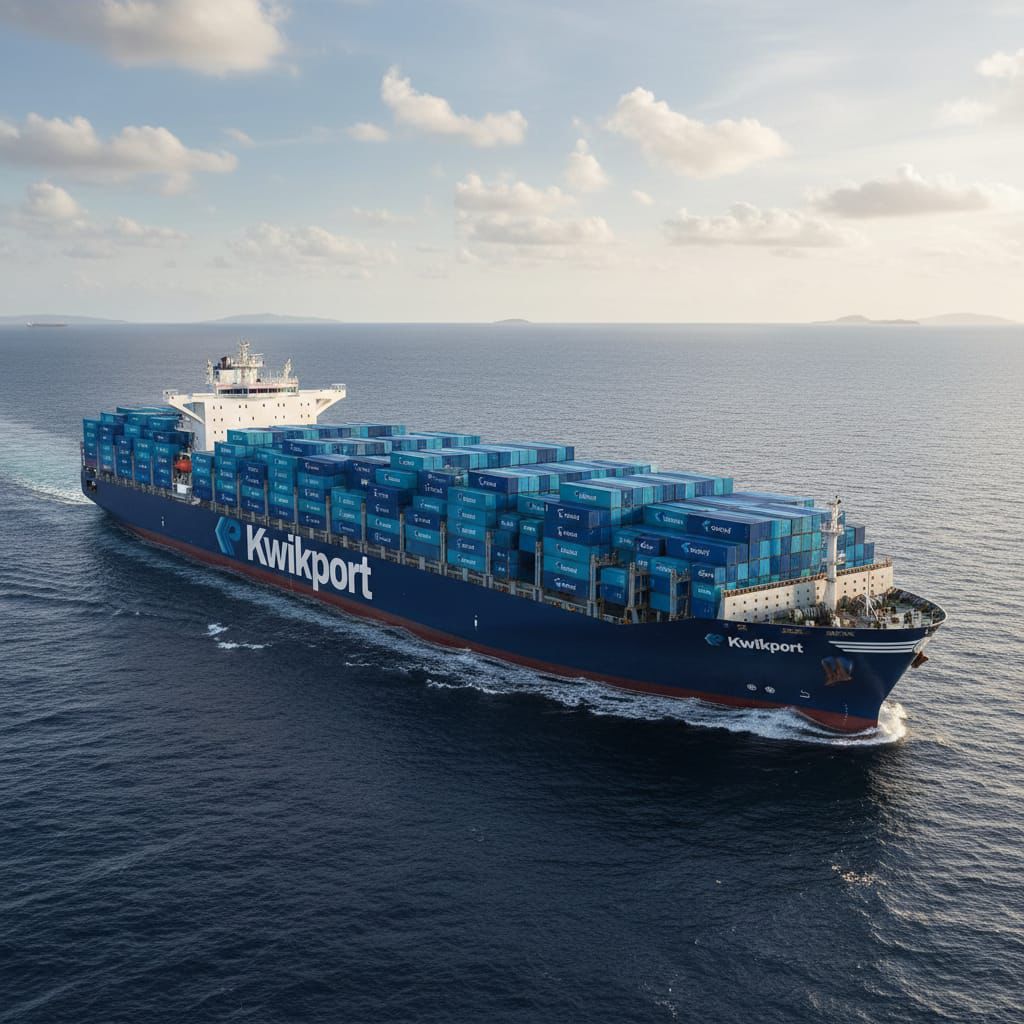
KwikPort is emerging as a digital export infrastructure platform that provides structured access to verified international contracts and lowers these barriers, enabling Nigerians at every scale to participate in global trade.
The platform serves both commodity owners and participants without direct product access. Commodity owners go through a structured verification process before submitting goods physically at designated aggregation facilities.
Participants without a commodity can engage verified procurement agencies through the platform to source the products they need, with payment and coordination handled entirely in-app.
All agencies and experts listed on the platform are thoroughly vetted, bringing decades of experience across every stage of the export chain — from procurement and documentation to logistics and freight forwarding. This setup allows participants with no prior experience in international trade to navigate the process seamlessly, with execution and guidance handled by the experts. Users can select which agencies to engage at each stage, and all participants follow the same standardized export journey.
The platform also lowers traditional barriers to export participation. Users no longer need prior experience in international trade, nor must they finance an entire export contract to get involved. By enabling proportional allocations within larger contracts and providing expert guidance at every stage, the platform allows participants of varying capacity and knowledge to take part in professional export operations.
Users declare their supply capacity — from 100 kilograms up to 1,000 tonnes — and receive proportional allocations within larger export contracts. This model allows participants of all scales to engage meaningfully in international trade, rather than requiring full-contract ownership or large capital outlays for full container export.
Each user is assigned a dedicated Export Manager, providing a human coordination layer within what is otherwise a digital interface. Once allocations are activated, contract values are reflected in dollars within in-app export wallets, giving participants visibility into the scale and value of their exports from the outset.
Exports then proceed through packaging, documentation, insurance, logistics, and freight forwarding. At each stage, specialist agencies and licensed operators are presented within the platform for users to select. These agencies are the ground operators — the licensed professionals who physically execute each stage of the process. KwikPort coordinates the chain, ensuring each handoff between stages is seamless until the shipment reaches international destinations.
Much like fintech startups that redefined payments in Nigeria — such as Paystack and Moniepoint — KwikPort is positioning itself as an infrastructure layer for a sector that technology has yet to fully reach. Rather than operating as an investment product, the platform facilitates real-world trade activity. Users get access to verified international buyer contracts, along with the tools, networks, and licensed operators needed to execute cross-border shipments. While everything happens online through the platform, real physical goods are being moved by experienced operators at every stage, and users can monitor their shipments and track the agencies they select, ensuring exports reach verified international buyers as intended.
KwikPort app is currently available for download.
As Nigeria continues its push to expand non-oil exports, digital platforms like KwikPort illustrate how technology-enabled coordination and structured access can open global trade opportunities to a wider pool of producers and aggregators.