Follow Us on Google
From Juliana Taiwo-Obalonye, Abuja
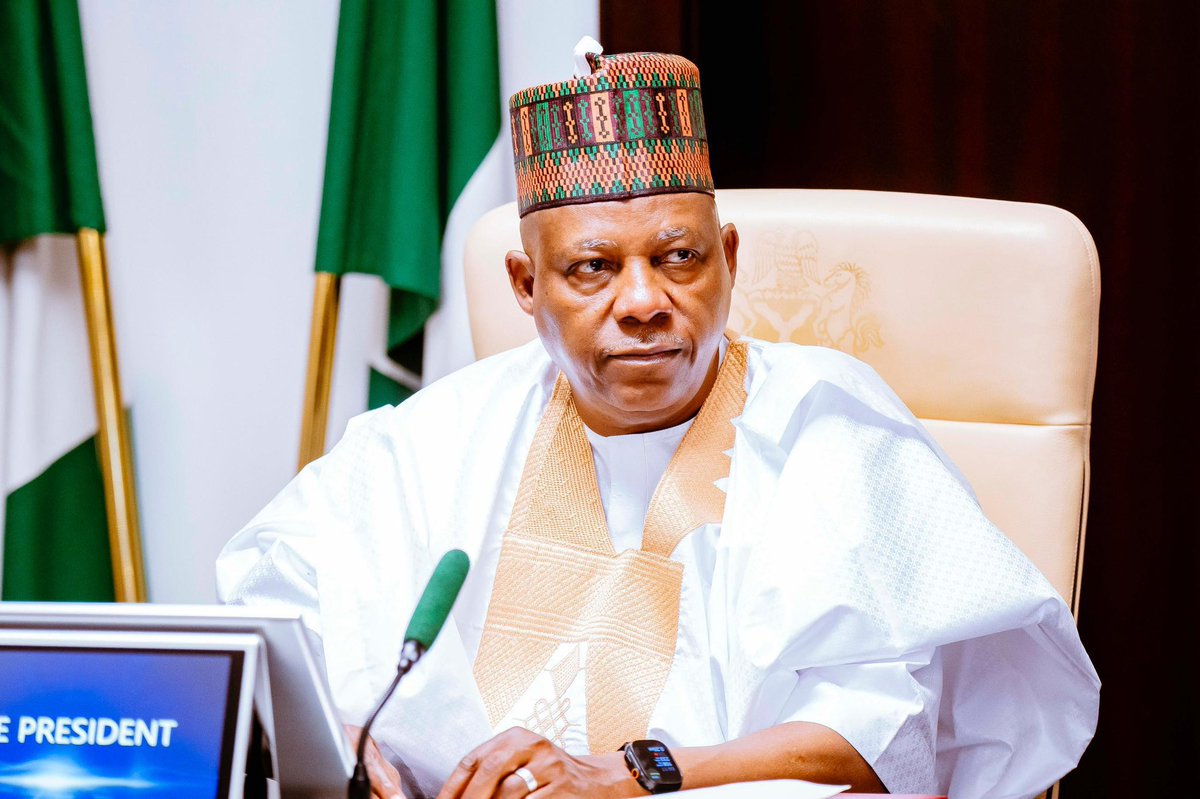
Abuja is set to host a landmark gathering as Vice President Kashim Shettima convenes a high-level assembly of all 36 state governors, Education Commissioners, and key stakeholders to tackle Nigeria’s ongoing education challenges. The event, titled “The Nigeria Education Forum (NEF) 2025,” will hold from December 9 to 10, aiming to craft lasting solutions for a sector under severe strain.
Organised by the Nigeria Governors’ Forum (NGF) through its Committee of States’ Commissioners of Education (COSCEN), the forum seeks to rejuvenate educational policies with a focus on increased accessibility, enhanced funding, and equipping students with critical skills for the modern economy.
Edo State’s Education Commissioner and the chairman of the NEF 2025 Steering Committee, Emmanuel Iyamu, while briefing newsmen, stressed the urgency of this national dialogue. “This forum is more than a meeting; it’s a collective call to redesign Nigeria’s education financing, ensuring robust partnerships between government, academia, industry, and communities,” he explained.
A key plenary session, to be chaired by the Vice President, will bring together prominent leaders including the Senate President, the NGF Chairman, lawmakers, federal ministers, and top education officials. The focus will be on aligning research, innovation, and workforce training for sustainable development at both national and local levels.
Other News
Iyamu highlighted that NEF 2025’s theme, “Pathways to Sustainable Education Financing: Developing a Synergy Between the Town and Gown in Nigeria,” reflects a critical need to rethink how educational resources are raised, managed, and optimized. “Nigeria’s education system currently faces funding gaps and mismatches between academic outputs and labor market needs. This forum will champion a new financing model that taps into community involvement and private sector engagement for more resilient education infrastructure.”
He noted the rising demographic pressure and the growing demand for quality education, which traditional funding methods no longer adequately support. “Innovative financing mechanisms like public-private partnerships, endowments, and community investment will be explored to ensure that education funding is stable, transparent, and effective,” Iyamu said.
The NEF will also push for universities and industries to deepen collaboration: “We want to see academic institutions act as engines of innovation and practical skills development, while industries become more invested partners in nurturing talent and research with real-world impact.”
Additionally, the forum aims to mobilise support from alumni networks, philanthropists, and local communities, encouraging them to take active roles in sustaining educational development.
“This forum comes at a pivotal time for Nigeria’s future. Education is the cornerstone of economic and social progress, and it’s crucial we build a system that is inclusive, well-funded, and responsive to the Twenty-first century’s demands,” Iyamu concluded.