Follow Us on Google
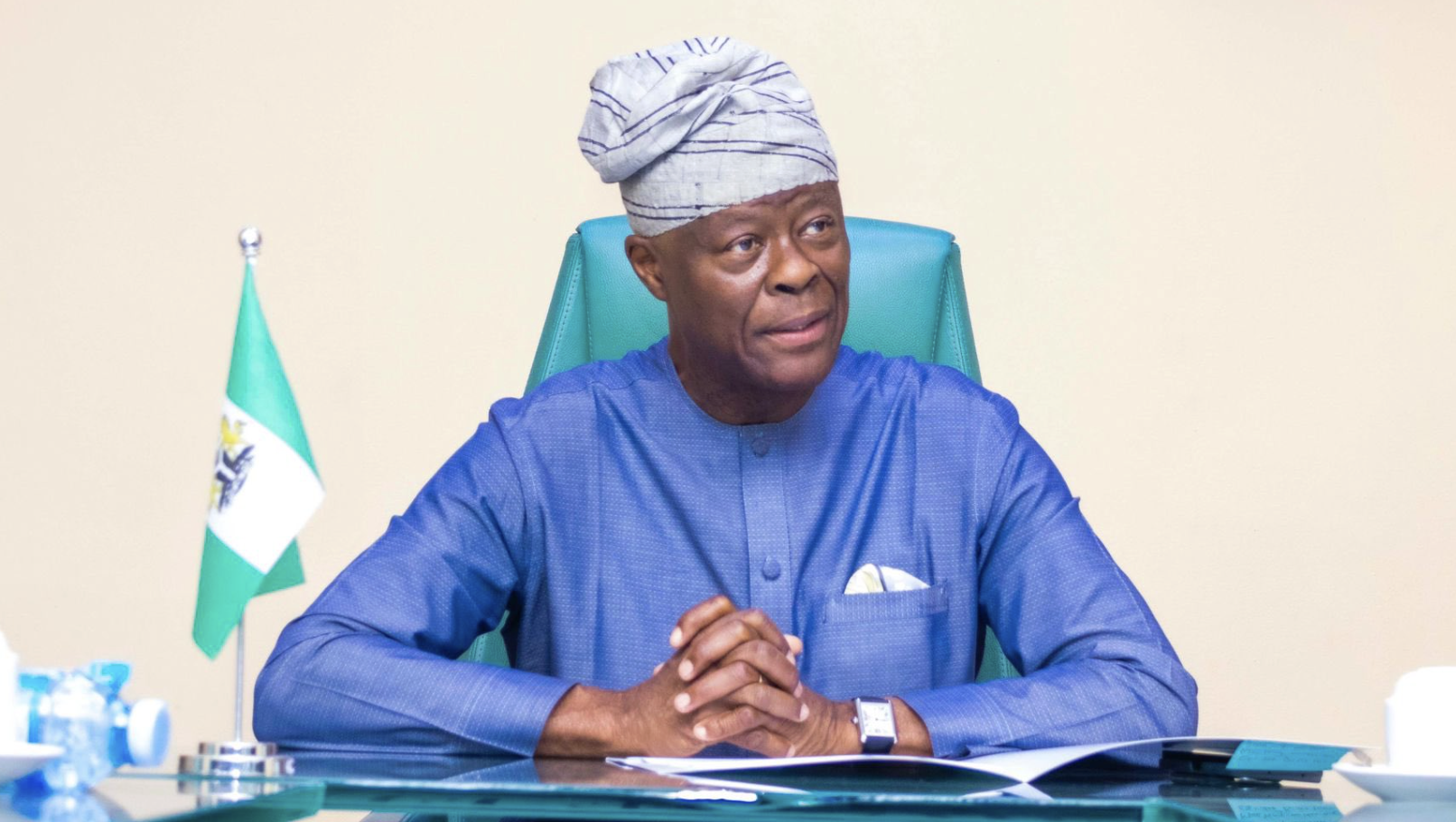
Minister of Finance and Coordinating Minister for the Economy, Mr Wale Edun, has projected that Nigeria’s economy will grow by 4.68 per cent in 2026, driven by an investment-led, inclusive growth strategy aimed at creating jobs and improving citizens’ welfare.
Edun made the announcement on Thursday in Lagos while delivering the keynote address at the launch of the Nigerian Economic Summit Group Macroeconomic Outlook Report for 2026. He said the projection aligns with the government’s medium-term goal of achieving seven percent annual growth and building a one-trillion-dollar economy by 2030.
“The economy in 2026 is projected to grow at 4.68 percent, consistent with our path to seven percent growth per annum and a one-trillion-dollar economy by 2030,” Edun said. He projected average inflation at 16.5 percent and the exchange rate at about N1,400 per dollar.
“For inflation, as we have said, we need to get into simple figures. It is expected to average 16.5 percent and the exchange rate, N1,400 per dollar,” he added.
Edun explained that the 2026 budget, titled ‘Budget of Consolidation, Renewed Resilience and Shared Prosperity,’ reflects President Bola Tinubu’s commitment to ensuring macroeconomic improvements translate into real gains in Nigerians’ daily lives.
“It is not about the metrics or the percentages; it is about the lived experience of Nigerians in terms of electricity supply, food availability and improved welfare,” he said.
The minister noted that the budget deficit, estimated at about four percent of GDP, reflects both the scale of Nigeria’s development needs and the ambition to accelerate growth. He said the government’s focus had shifted toward driving growth through increased investment following the removal of economic distortions and stabilisation measures.
“Ongoing investments in digital infrastructure, including the rollout of over 90,000 kilometres of fibre optic cables in collaboration with the World Bank and the Ministry of Communications, are part of efforts to empower young Nigerians and support technology-driven growth,” Edun said.
He outlined four pillars of the government’s reform programme: consolidating macroeconomic stability, improving the business and investment climate, strengthening human capital while protecting the vulnerable through social protection, and stimulating broad-based economic growth.
On fiscal performance, Edun noted that despite shortfalls in oil and gas revenues compared to budgeted levels, the Federal Government prioritised fiscal federalism, transparency, and accountability, ensuring that funds due to states and sub-national governments were fully disbursed.
Other News
“This strengthened the financial positions of many states, some of which recorded budget surpluses of about three percent, enabling increased spending on health, education, public services, and other social and economic priorities,” he said.
Edun highlighted the Federal Government’s fiscal discipline, citing that the 2024 budget was extended to ensure completion of priority capital projects. “Aggregate capital expenditure in 2024 stood at about N11.1 trillion, representing an 85 percent performance, reflecting the administration’s emphasis on completing ongoing projects,” he explained.
He added that all statutory obligations, including foreign and domestic debt servicing and salary payments, were fully met. “These outcomes underscore a strong commitment to transparency, structural reform and fiscal discipline, laying the foundation for rapid, sustained and inclusive growth,” Edun said.
The minister said reducing reliance on debt remains a key fiscal priority, with a renewed emphasis on boosting government revenue through digitalisation, central billing systems, and improved reconciliation processes to block leakages.
“The introduction of a central billing and receipt system would enhance transparency by tracking assessments and payments in real time across government agencies,” he said.
Edun also highlighted a new pro-poor tax law designed to broaden the tax base, simplify compliance, and exempt essential goods, food items, and small businesses.
He said President Tinubu’s strategic vision aims to build a resilient, diversified, and globally competitive economy, leveraging exchange rate stability and expanded trade opportunities under ECOWAS and the African Continental Free Trade Area.
Key priorities for 2026, according to the minister, include improving competitiveness through sound governance, boosting agricultural productivity and food security, accelerating infrastructure and energy development, and investing in human capital.
Acknowledging constraints in global concessional financing, Edun said Nigeria must increasingly rely on domestic resource mobilisation and private sector investment to fund development. “The private sector is indispensable to sustaining growth,” he said.
Edun concluded by emphasising that the government remains resolute in translating economic stability into inclusive, job-rich growth. “We remain committed to delivering tangible benefits to the average Nigerian,” he stressed.