Follow Us on Google
From Juliana Taiwo-Obalonye, Abuja
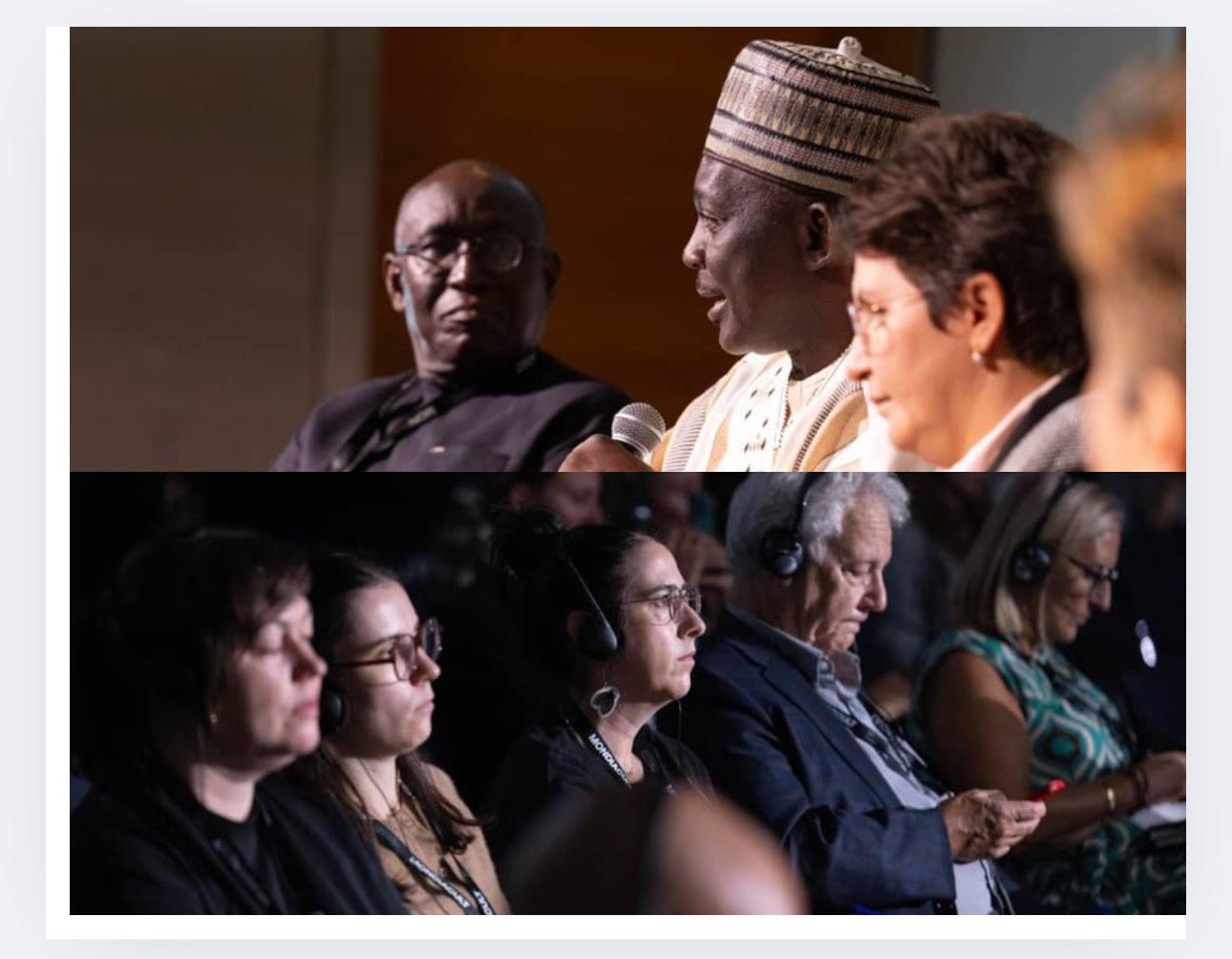
Emmanuel Dandaura of Nasarawa State University, Keffi, at UNESCO Mondiacult 2025 in Barcelona, powerfully stressed the urgent need for restitution of Africa’s looted cultural heritage, placing Nigeria at the centre of global cultural diplomacy.
Speaking as Chair of the Working Group that drafted the AU Model Law on the Protection of Cultural Property and Heritage (2022) and as a member of the Expert Committee that developed the Common African Position on Restitution of Heritage Resources (2023), he highlighted the deeper meaning of restitution beyond returning objects.
Dandaura declared: “Restitution is not about emptying Western museums; it is about filling African hearts with dignity and memory.” He elaborated that Africa’s loss under colonialism was far greater than physical artefacts: “Africa lost memory, continuity, and confidence.” He described restitution as “a forward step towards justice, dignity, and renewed trust.”
He painted a stark picture to underscore the urgency of the matter: “The reality is stark: tens of thousands of African artefacts remain outside the continent. The British Museum alone is estimated to hold over 70,000 African objects.
Meanwhile, schoolchildren in Benin City, Cairo, or Bamako learn about their own heritage through photographs, while their ancestors’ works sit in glass cases thousands of miles away.”
Dandaura praised recent positive developments in the restitution movement, citing Germany’s return of Benin Bronzes, the Netherlands’ repatriation of over a hundred artefacts, and France’s legislative advancements to enable further returns. He said: “These actions prove that where political will, legal clarity, and cooperation converge, progress is possible.”
He detailed the African Union’s clear frameworks to structure the restitution process: “The AU Model Law on the Protection of Cultural Property and Heritage emphasises state custodianship, community participation, documentation, and preventive protection, strategies vital to halting further illicit losses.”
Regarding the Common African Position on Restitution of Heritage Resources, Dandaura explained it as “restorative justice through reparations, anchored in solidarity, transparency, and partnerships with governments, museums, and civil society. It seeks to restore dignity and honour to nations and communities deprived of their cultural rights, prevent further misuse, ease recurring conflicts, and revive lost livelihoods.”
Illustrating the cultural significance of the artefacts, he pointed to the Benin Bronzes: “In Europe, they are admired as masterpieces of world art. Among the Edo people of Nigeria, they are not just art, they are identity, history, and living heritage. Their return does not diminish Western collections; rather, it expands the moral authority of museums and strengthens cultural diplomacy. Each artefact returned is a bridge restored between Africa and the world.”
Dandaura concluded with key recommendations to advance restitution. He urged AU and UNESCO member states to harmonise national frameworks with the philosophy of the AU Model Law, ensuring restitution claims are handled with clarity and fairness across jurisdictions. He called on holding countries and partners to support Africa with conservation labs, museums, and digital archives, so returned artefacts are safeguarded to the highest international standards. He also promoted structured partnerships such as joint exhibitions, co-curated research, long-term loans, and transparent agreements to ensure restitution strengthens both African and global heritage.
He affirmed, “Restitution is not a zero-sum demand. It is a global model of restorative justice. By returning what was unjustly removed, museums in holding countries do not lose stature; they gain legitimacy. Humanity’s collective heritage is strengthened, and trust among nations renewed.”
Marking this African Union Year of Justice for Africans and People of African Descent through Reparations, Dandaura’s message rang clear: “Restitution is the most visible form of reparation, measured not in money, but in memory, dignity, and trust. This is our moment to make history right, together.”