Follow Us on Google
By Chinwendu Obienyi
Despite a gradual easing of inflationary pressures in Nigeria, many households are still tightening their spending, with eating out emerging as one of the earliest casualties.
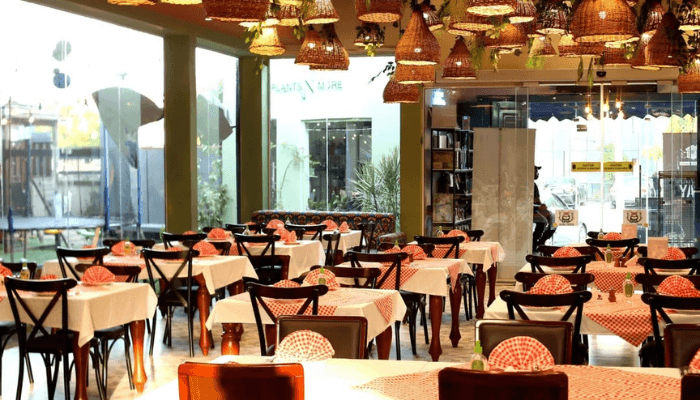
This comes after new consumer data indicates that Nigerians increasingly turned to cooking their own meals in 2025, significantly reducing visits to restaurants and fast-food outlets as families prioritised essential spending.
A report released by Shoppoint Rewards seen by Daily Sun on Wednesday, revealed that restaurant and fast-food visits declined by 28 per cent last year, reflecting a broader shift in consumption patterns driven by strained household budgets.
The analysis was based on three million verified shopping receipts collected from more than 85,000 shoppers across 10 states, representing between N45 billion and N52 billion in consumer spending in 2025.
The receipt-based dataset, compiled through consistent monthly sampling, offers detailed insights into everyday spending habits that are often overlooked by traditional consumer surveys and bank transaction data.
According to the report, the decline in dining out highlights how discretionary spending continues to face pressure, even as inflation shows signs of moderating.
Instead of spending on restaurants, many Nigerians increasingly embraced home cooking as a cost-saving strategy. The report found that grocery purchases remained resilient despite average price increases of 23 per cent, accounting for 36 per cent of all recorded receipts and approximately N18.7 billion in spending.
Other News
Food essentials remained a top priority, demonstrating how households are preserving core consumption while cutting back on non-essential activities such as dining out.
Shoppoint Rewards noted that receipt-level analysis provides a clearer picture of consumer behaviour by revealing exactly what shoppers purchase. Unlike banking data, which only indicates where money is spent, receipts highlight substitution patterns, brand switching, and other adjustments consumers make when faced with rising living costs.
“Receipts tell a different story from account balances,” the company said. “They reveal the real trade-offs families make when finances are stretched, what they choose to protect, what they cut back on, and how they adapt their consumption patterns.”
The findings align with official data from the National Bureau of Statistics (NBS) which showed that food inflation slowed for the fifth consecutive month in December, easing to 10.84 per cent from 29.6 per cent recorded in January.
However, the report also identified increasing price sensitivity among consumers. Between 67 and 72 per cent of grocery shoppers compared prices before making purchases, while about 45 percent switched household brands once prices exceeded the N5,000 mark.
Shopping behaviours further reflect tighter financial planning. Weekend grocery shopping dominated consumer activity, accounting for 58 per cent of grocery receipts, while bakery purchases peaked on Friday evenings as households prepared meals and snacks for the weekend.
Additionally, shoppers increasingly consolidated purchases, buying products across an average of 3.2 to 3.8 categories per trip. Groceries and beverages were frequently bought together, appearing in 72 per cent of combined purchases.
For restaurant and fast-food operators, the data signals a challenging operating environment. Even as inflation gradually eases, recovery in dining-out culture may lag, as households continue to favour home-cooked meals, value-driven spending, and essential consumption.