Follow Us on Google
…Says Citizens Still Waiting for Promised Dividends
From Abdulrazaq Mungadi, Gombe
Civil Society Organisations (CSOs) in Gombe State have faulted the federal government’s handling of the fuel subsidy removal, saying Nigerians are worse off two years after the policy was announced.
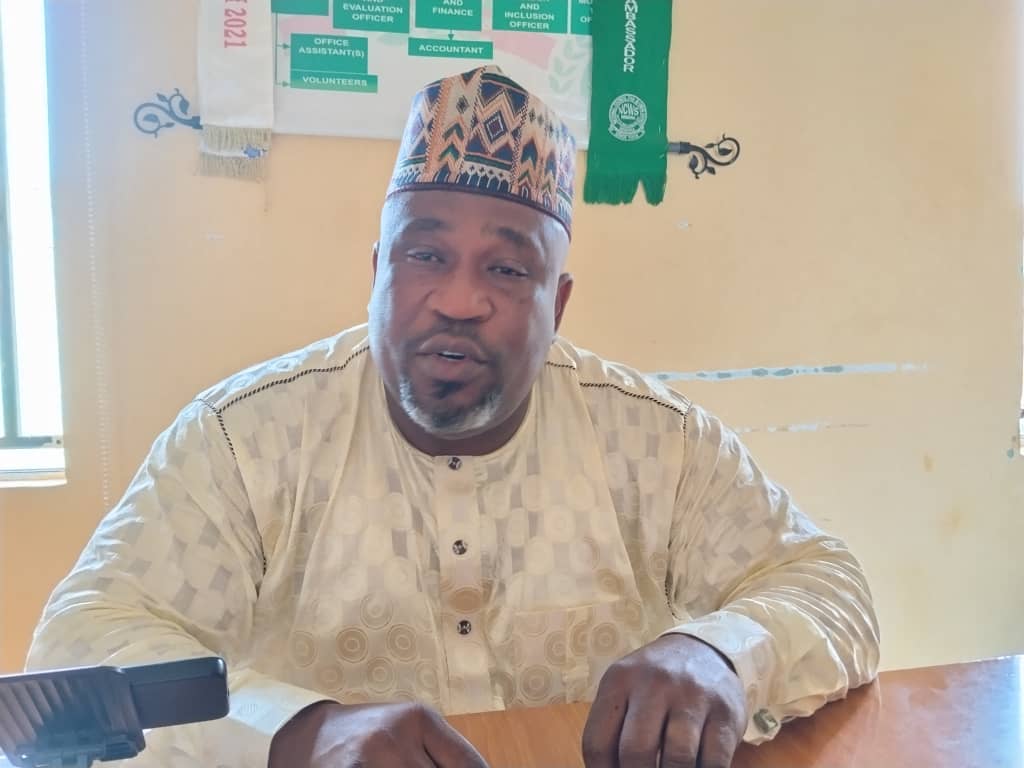
The Chairman of the Gombe Network of Civil Society (GONET) and Team Lead of the Advocacy Centre for Development (AC4D), Ibrahim Yusuf (3000), said the policy, introduced in 2023 with promises of channeling savings into infrastructure and social services, has failed to deliver visible benefits, particularly in the North-east.
“Fuel subsidy removal has worsened the cost of living; life was better with subsidy,” Ibrahim said in an interview with Daily Sun in Gombe. According to him, the government convinced citizens that subsidy payments only benefitted a few privileged individuals, but the reality since removal has shown that the entire population had enjoyed its cushioning effect.
“Purchasing power has collapsed, the cost of basic goods and services has skyrocketed, and poverty levels are rising. Two years later, citizens have not seen the promised infrastructure or social investments,” he added.
Other News
He argued that while government revenue has increased, there has been little evidence that the funds saved from subsidy removal are being deployed to ease the suffering of ordinary Nigerians. Instead, the civil society leader said, citizens are paying more without corresponding improvements in livelihoods.
Ibrahim stressed that civil society will continue to pressure government to ensure accountability and transparency in the management of public resources. He said, “If subsidy removal was truly meant to improve lives, then citizens deserve to see results. Right now, people are questioning whether the sacrifice was worth it”.
He further warned that unless urgent measures are taken to cushion the effect of rising costs, the policy will deepen inequality and widen the poverty gap, especially in northern states already grappling with underdevelopment and insecurity.
Ibrahim urged the Nigerians to demand accountability for the use of funds generated since the subsidy removal, insisting that development must be tangible and inclusive.