Follow Us on Google
From Juliana Taiwo-Obalonye, Abuja
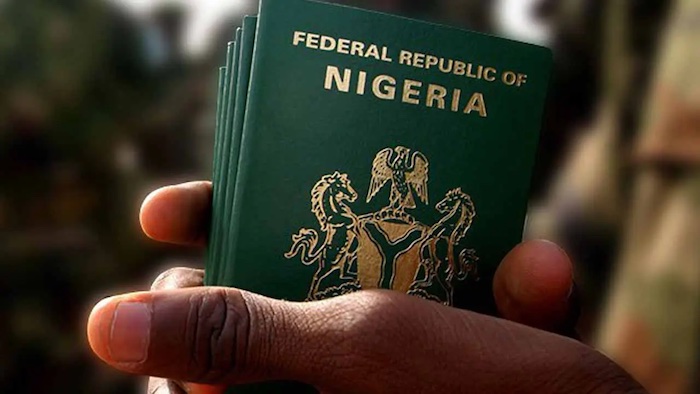
Nigerians in Canada have appealed to the Federal Government to extend its passport intervention programme following the successful capture of 2,233 applicants across five provinces, with beneficiaries reporting receipt of their passports within four to seven days.
The appeal came after the completion of the Nigeria Diaspora Economic Conference (NiDEC) Passport Intervention Programme, which took passport services to Nigerian communities in Toronto, New Brunswick, Manitoba, Saskatoon and Calgary between August 12 and September 4, 2026.
The beneficiaries, who commended the Minister of Interior, Olubunmi Tunji-Ojo, the Nigerians in Diaspora Commission (NiDCOM) and the Nigeria Immigration Service (NIS), urged the government to consider a second phase to accommodate Nigerians who missed the exercise.
The intervention, organised as part of NiDEC in Toronto, was implemented through a partnership involving the Ministry of Interior, NiDCOM, the Nigerian High Commission, the NIS, the Nigerian Canadian Association Council of Presidents (NCACP) and local Nigerian Canadian associations.
In a statement issued on Sunday in Abuja, NiDCOM’s Director of Media, Public Relations and Protocols, Abdur-Rahman Balogun, said beneficiaries expressed satisfaction with the speed and efficiency of the exercise.
One of the beneficiaries in Manitoba, who received her passport within a week of biometric capture, commended the officials involved, describing the exercise as evidence of a committed community structure.
Another beneficiary, who received her passport within four days, described the intervention as well-planned, organised and efficient.
The Nigerian community leaders said the exercise demonstrated the impact of responsive public service delivery and strengthened the relationship between the Federal Government and Nigerians in the diaspora.
They particularly commended the NIS for deploying officers across the five locations and working under demanding schedules, including weekends, to ensure that applicants received the required services.
The NCACP also acknowledged the roles of NiDCOM and the NIS in coordinating the exercise, noting that collaboration between government agencies and diaspora organisations had made the multi-city intervention possible.
The community leaders said extending the programme would enable more Nigerians in Canada to benefit from passport services, particularly those who could not participate in the first phase.
The first phase captured 2,233 applicants across the five locations, with beneficiaries highlighting the turnaround time and the convenience of accessing the services within their communities.
The programme formed part of the Federal Government’s engagement with Nigerians abroad through NiDEC, with the participating agencies working alongside diaspora organisations to facilitate passport services.
The appeal for a second phase followed the conclusion of the intervention on September 4, with community leaders seeking further government support to reach Nigerians who were left out of the exercise.