Follow Us on Google


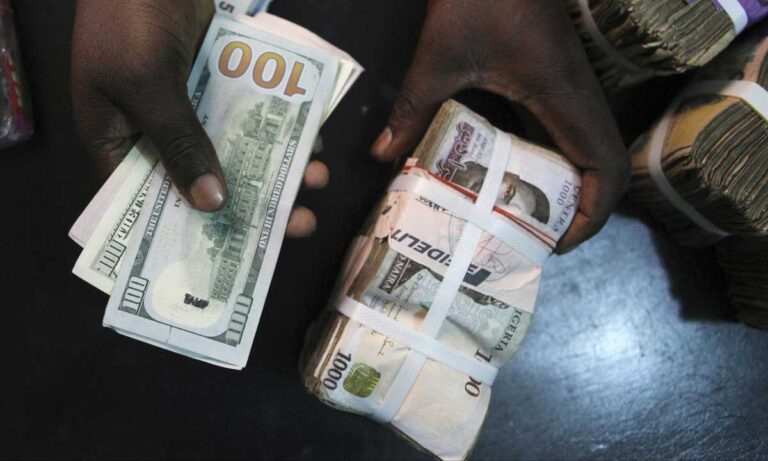
The amount of cash held by Nigerians outside the banking system has increased by 103.8 per cent in three years, reaching N4.923 trillion in September 2026 from N2.416 trillion recorded in September 2023, according to the Central Bank of Nigeria (CBN).
The increase means that cash held outside banks has more than doubled within the period, despite the growing use of electronic transfers, mobile banking, Automated Teller Machines (ATMs) and Point-of-Sale (POS) terminals across the country.
Data from the CBN’s Money and Credit Statistics showed that cash outside the banking system also rose by 10.3 per cent year-on-year, from N4.465 trillion in September 2025 to N4.923 trillion in September 2026.
A breakdown of the figures showed that cash held outside banks increased by 66.2 per cent to N4.016 trillion in September 2024 from N2.416 trillion in September 2023.
It subsequently rose by 11.2 per cent to N4.465 trillion in September 2025 before climbing further by 10.3 per cent to N4.923 trillion in September 2026.
The figures suggest that physical cash remains an important means of payment for Nigerians, notwithstanding the expansion of digital banking services and electronic payment channels.
Meanwhile, money kept in bank accounts that customers can withdraw or use for payments on demand, known as demand deposits, also recorded significant growth.
The CBN data showed that demand deposits increased by 70.8 per cent to N39.124 trillion in September 2026 from N22.903 trillion in September 2023.
Demand deposits rose by 39 per cent to N31.842 trillion in September 2024, compared with the corresponding period of 2023.
The figure increased further to N34.642 trillion in September 2025, representing an 8.8 per cent rise, before climbing by 12.9 per cent to N39.124 trillion in September 2026.
Analysts said the simultaneous increase in bank deposits and cash outside banks showed that Nigerians continued to maintain substantial amounts of money in both formal banking accounts and physical cash.
They noted that the two figures measured different aspects of financial activity, noting that demand deposits represented money kept in bank accounts, while currency outside banks referred to physical cash held beyond the banking system.
They cautioned against attributing the increase in cash holdings to a single factor.
According to them, the figures alone do not establish how much of the growth resulted from economic expansion, inflation, informal business transactions or changes in people’s payment preferences.
The development highlights the continued importance of cash in Nigeria’s economy, even as financial institutions and regulators intensify efforts to encourage electronic payments and expand access to banking services.