Follow Us on Google
By Uche Usim
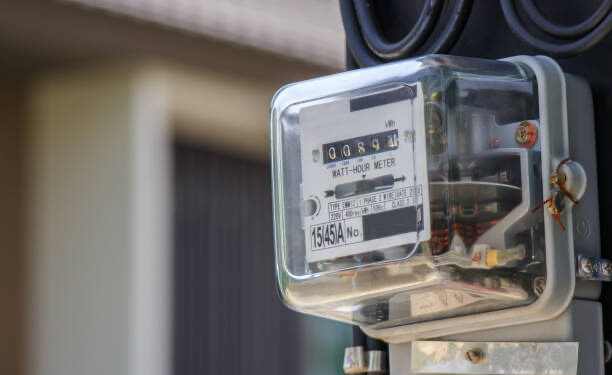
The Nigerian Electricity Regulatory Commission (NERC)’s recent decision to deregulate the pricing of prepaid electricity meters has ignited widespread debate, drawing mixed reactions from industry experts and consumers alike. While the move is aimed at addressing Nigeria’s long-standing metering deficit, the resulting sharp increase in meter costs has triggered significant concerns over both availability and affordability.
As deregulation takes effect, the price of a three-phase meter has skyrocketed, nearing a staggering N250,000, up from about N80,000 just a year ago. For millions of Nigerians, already burdened by a challenging economic landscape, this steep rise represents a significant setback in their quest to escape the frustrations of estimated billing, a practice that has long plagued consumers across the country.
The spike in meter prices has added to the mounting pressure on households grappling with rising costs of living, driven by inflation and economic instability. For many, the dream of owning a prepaid meter, once seen as a pathway to fairer billing and greater control over energy consumption, now seems increasingly out of reach. Consumers are caught in a difficult dilemma: either continue enduring the opaque and often inflated charges that come with estimated billing or shoulder the heavy financial burden of purchasing a meter at the new inflated rates.
While energy experts acknowledge that deregulating meter pricing could potentially attract more Meter Asset Providers (MAPs) into the market, thereby accelerating the closure of the metering gap, they also warn that the policy does little to address the deeper, systemic issues plaguing Nigeria’s power sector. The high cost of meters, coupled with persistent economic challenges, means that for many Nigerians, access to reliable electricity remains as elusive as ever.
Industry analysts have pointed out that the soaring meter prices are not happening in isolation but are a symptom of broader economic trends. Inflation, currency devaluation, and import dependency have all contributed to the rising costs of essential goods and services, including prepaid meters. As a result, consumers find themselves in a vicious cycle where efforts to improve access to electricity are hindered by the very economic forces that those improvements are meant to alleviate.
The Nigerian Electricity Regulatory Commission, in response to growing public outcry, has sought to reassure consumers that measures are being put in place to mitigate the impact of these rising costs. However, many remain skeptical, fearing that without more comprehensive reforms, the problem of estimated billing will continue to persist, even as meters become more widely available but financially out of reach for the average Nigerian household.
As Nigeria’s power sector navigates these complex challenges, it is clear that the road to closing the metering gap will require more than just deregulation. Broader economic interventions, increased competition among Meter Asset Providers, and more targeted consumer protection measures will be crucial in ensuring that the benefits of prepaid metering are accessible to all Nigerians, not just a privileged few.
For now, though, millions of households remain caught in the crosshairs of an electricity system that, despite ongoing reforms, continues to fall short of delivering reliable and affordable power to the people who need it most.
Four months ago, the Nigerian Electricity Regulatory Commission (NERC) launched an ambitious policy to deregulate meter prices and providers, implementing a willing-buyer, willing-seller system designed to invigorate the market. This forward-thinking initiative aimed to empower consumers by granting them the freedom to acquire meters from any approved vendor, bypassing the need to depend on Distribution Companies (DisCos).
Though the policy held promise and seemed commendable in theory, it has introduced a set of new challenges.
One of the most pressing issues arising from the deregulation policy is the dramatic increase in meter prices, which has been further exacerbated by the current economic climate and rising inflation.
Data from the National Bureau of Statistics reveals a troubling trend: the number of customers relying on estimated billing has surged from 5.83 million in the fourth quarter of 2023 to 6.43 million in the first quarter of 2024, representing a significant 10% increase.
These figures highlight the plight of countless households seeking to break free from the cycle of inflated billing and other issues with their distribution companies. Yet, despite their efforts to secure a prepaid meter, the escalating costs have made this goal increasingly elusive.
Following NERC’s announcement of the deregulation policy, Distribution Companies (DisCos) and their meter provider partners have released new meter prices, citing both the policy shift and the deteriorating economic conditions.
None of the revised prices falls below N100,000, marking a significant leap from the previous rates announced by NERC in September 2023. According to the new pricing structure from DisCos, the cost of a single-phase meter has surged from N81,975 to approximately N125,000, depending on the DisCo and the vendor selected by the customer.
Different DisCos have introduced varying price points, with single-phase meters now ranging from N120,000 to N125,000, and three-phase meters climbing as high as N240,000. This sharp increase has left many Nigerians questioning their options as they struggle to navigate between purchasing meters at inflated prices and enduring the burdens of estimated billing.