Follow Us on Google
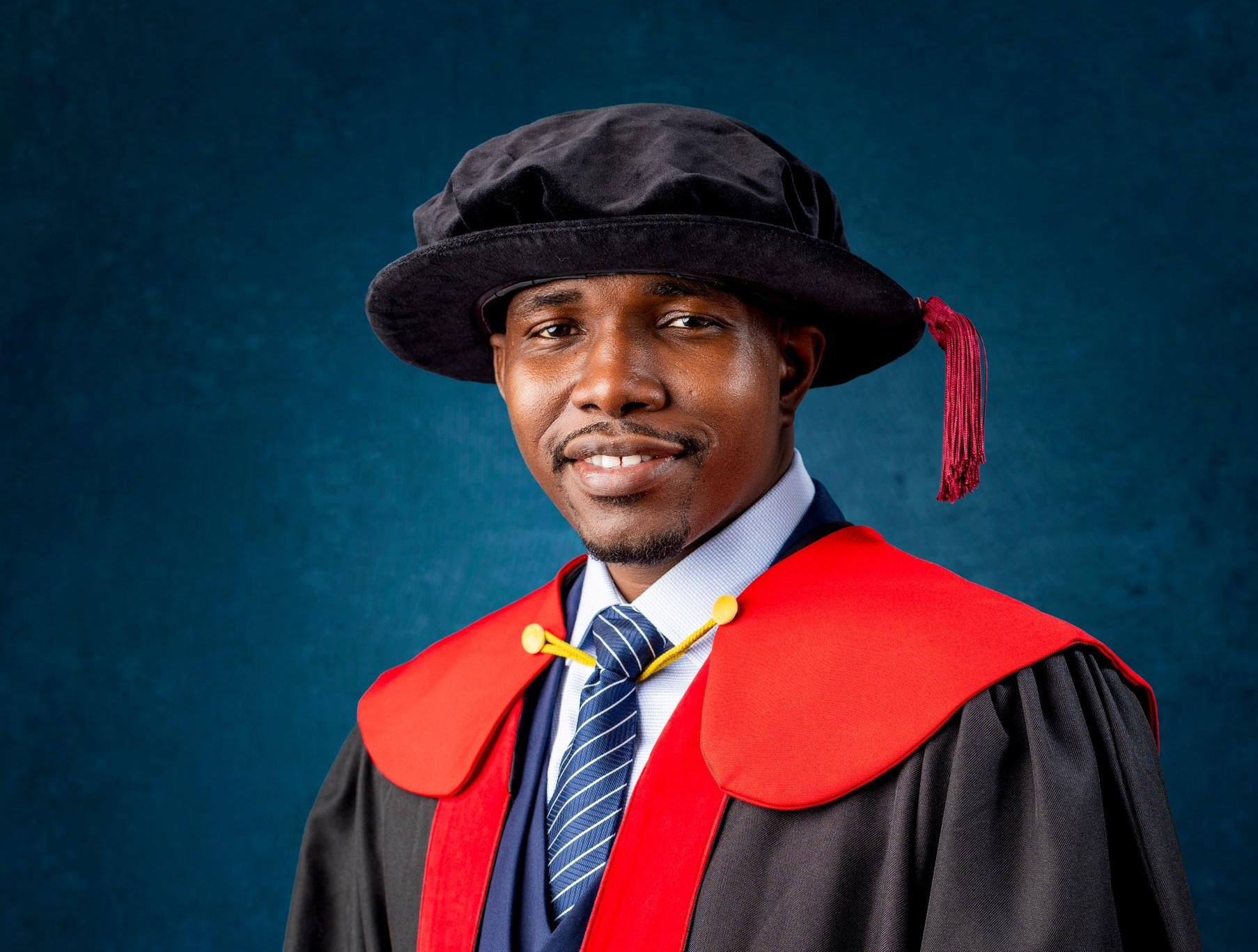
Dr Olasunkanmi Arowolo, a Nigerian academic, researcher, and media practitioner, has been awarded a Doctor of Philosophy degree by the University of Kent, United Kingdom.
He also recently received recognition from the British Academy as a Global Talent in Media and Communications, highlighting the global relevance and impact of his scholarly work.
Dr Arowolo’s doctoral research, “Poverty, Politics and the Press: Uncovering the Complexities of Media Coverage on Nigeria’s Social Investment Programmes”, addresses a persistent challenge in Nigerian history: more than 64 years of successive poverty reduction initiatives have repeatedly failed, despite billions invested. His study identifies key factors behind these failures, including manipulated agendas, misleading communications, corruption, politicization, structural deficits, and a lack of public trust, all of which have allowed systemic exploitation to continue.
According to him, he was inspired by a global poverty report, known as the Panos Report titled Making poverty the story–which focused on poverty in developing countries, particularly Africa and Nigeria.
“I noticed that despite numerous programmes introduced over 64 years by successive governments, meaningful results had not been achieved.” He said.
As a communications scholar, I wondered whether the issue was partly about how these programmes were communicated, or whether there was something deeper.
That curiosity led me to explore the role of communication in national social investment programmes. The thesis title emerged after the research, guided by findings. Essentially, the study highlights the interaction between the press and political leaders and how it influences poverty alleviation efforts. It shows why poverty persists despite substantial investments.”
Other News
Through his research, Dr Arowolo demonstrates how transparent, accountable, and well-communicated media coverage can improve governance, rebuild public confidence, and enhance the effectiveness of social investment programmes. His work bridges academic insight and practical policy interventions, influencing media practice and social development in Nigeria and globally.
Reflecting on his achievements, Dr Arowolo said: “During the journey, challenges were inevitable. There were moments when continuing reading or writing felt difficult, especially while managing family responsibilities. In such times, learning from others, sharing challenges, and being part of a supportive community became very therapeutic and encouraging. That inspired me to start sharing content on YouTube, and I hope to invite others to share their progress and challenges too.
“Overall, the journey has been progressive. It taught me discipline in a practical way and endurance. Above all, God’s guidance and provision carried me through.”
Speaking on what next after this milestone, Arowolo stated that he had started planning the next phase of his journey even before submitting his thesis. Outlining some of what he intend to do he said:
“I’ve drafted policy documents—one tailored for government use, another for journalists and policymakers. These will guide distribution and application of the research.
“I plan to communicate the findings in accessible formats, including podcasts and multimedia content, so the research reaches a wider audience. Around six to eight journal articles will also come from my nine-chapter thesis.
“Additionally, I will attend conferences, including ICA, to present my work. I am developing workshops and teaching materials for students interested in reporting social welfare programmes. I also plan to use British Academy funding to extend the research to the UK, comparing media coverage of Universal Credit with Nigeria’s social investment programmes to explore patterns and differences.”