Follow Us on Google
From Adanna Nnamani, Abuja
Nigeria has taken a step towards eliminating child labour with the validation of the third phase of its National Child Labour Policy and National Action Plan (2026–2030), aimed at strengthening efforts to protect children from exploitation and ensure their access to education and other basic rights.
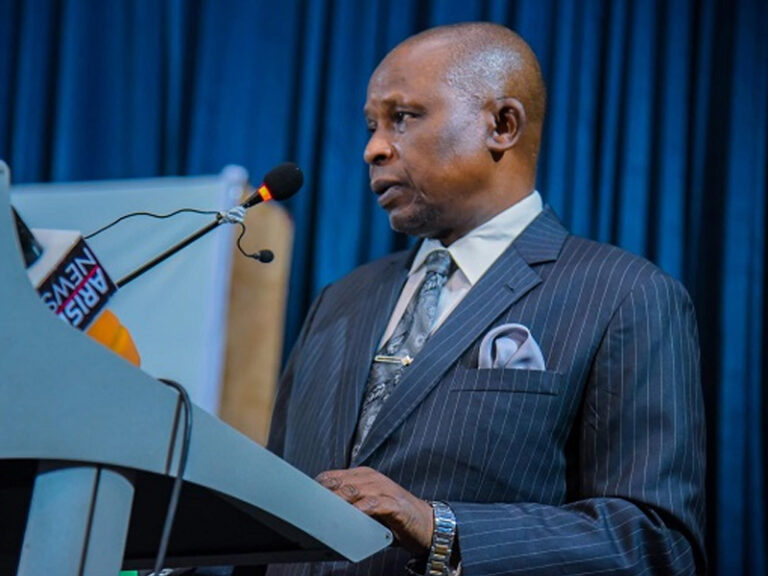
Speaking at a validation workshop in Abuja on Tuesday, Director of the International Labour Organization (ILO) Country Office for Nigeria, Ghana, Liberia, Sierra Leone and Liaison Office for ECOWAS, Dr Vanessa Phala, described the development as a critical milestone in the country’s fight against child labour.
Phala commended the Federal Ministry of Labour and Employment, the National Steering Committee on the Elimination of Child Labour and other stakeholders for their commitment to advancing the process.
She also acknowledged the support of the European Union through the FMM West Africa II Project and the Government of the Netherlands through the ACCEL Africa II Project, noting that their contributions were instrumental to the development of the policy and action plan.
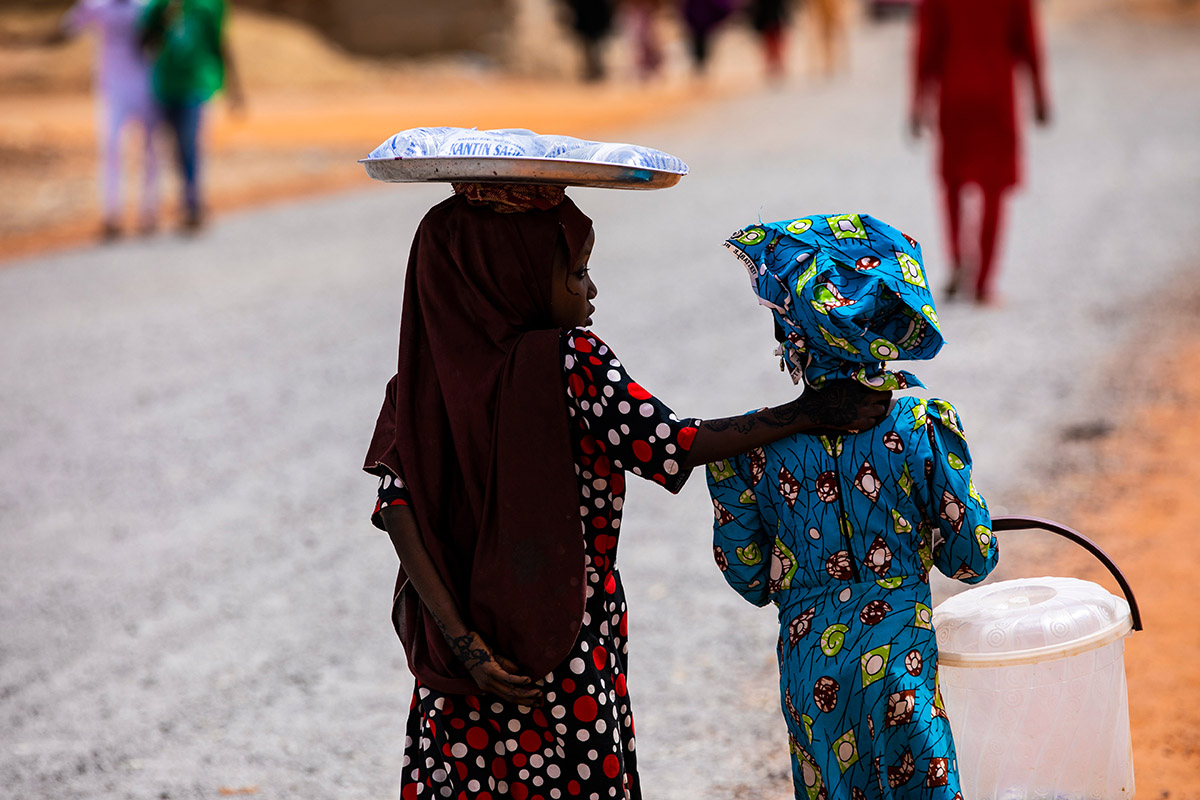
According to her, child labour remains a major challenge globally and across the region, depriving millions of children of their rights, education and future opportunities.
Quoting ILO Director-General, Gilbert F. Houngbo, Phala said, “Child labour is a violation of fundamental human rights and compromises children’s future.”
Other News
She noted that the validation exercise was not merely about endorsing policy documents but represented a renewed commitment by stakeholders to protect Nigerian children from exploitation.
The new policy and action plan are based on findings from the evaluation of the previous National Action Plan, the 2022 National Child Labour Survey and international frameworks, including ILO Conventions 138 and 182, the Marrakech Roadmap, the African Union Ten-Year Action Plan and the ECOWAS Regional Action Plan.
Phala said the framework places emphasis on social protection, access to quality education, enforcement of labour laws, occupational safety and health standards, collective bargaining, behavioural change initiatives, improved data systems and addressing emerging concerns such as digital child labour.
She stressed that effective implementation of the plan would require adequate funding, strong institutional coordination, continuous stakeholder engagement, and robust monitoring and reporting mechanisms.
“The real work begins with implementation,” she said, adding that the ILO remained committed to supporting Nigeria in translating the plan into meaningful and lasting change.
Phala further called for a whole-of-society approach involving government institutions, employers, workers, civil society organisations, communities and the private sector, particularly in tackling child labour within supply chains and the informal economy.
She expressed optimism that the validated policy and action plan would offer hope to millions of Nigerian children and help create a future where every child is free from exploitation and able to learn, grow and thrive.