Follow Us on Google
…Stakeholders seek stronger academic partnerships, quality learning
Nigeria and the United Kingdom have renewed calls for stronger educational collaboration, institutional partnerships and skills development to prepare Nigerian students for global opportunities.
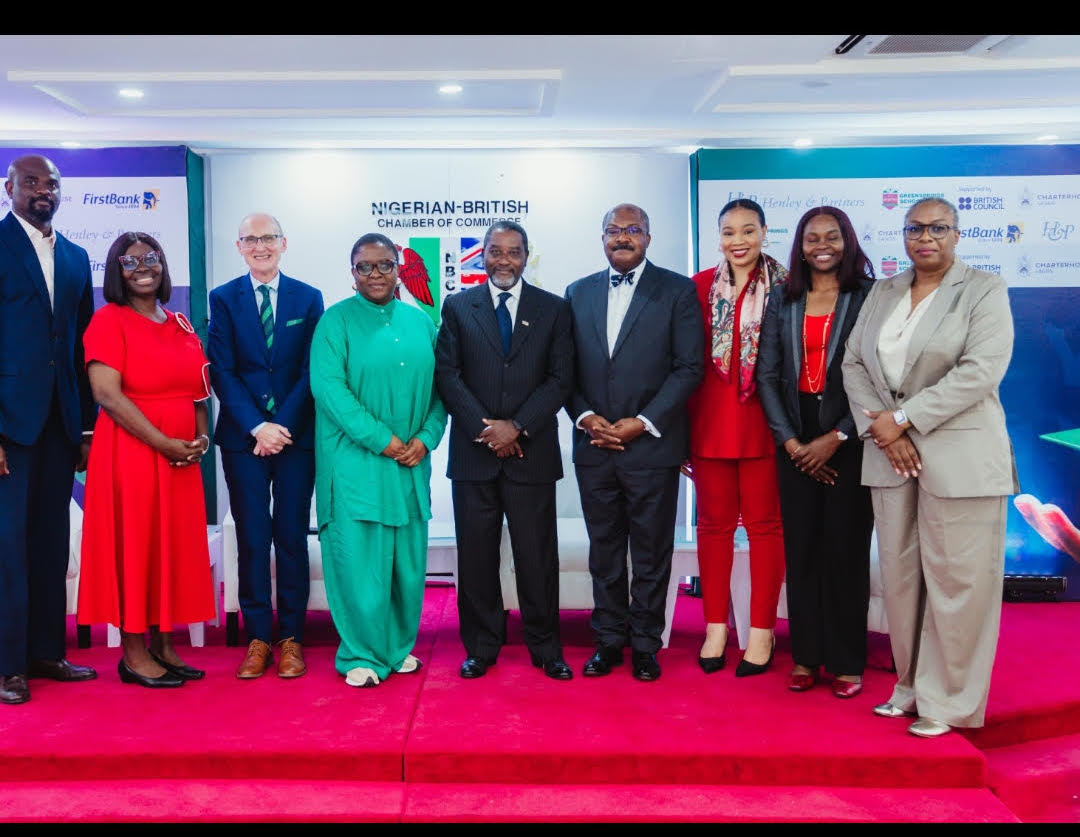
The call was made at the Nigerian-British Chamber of Commerce (NBCC) UK–Nigeria Education Fair 2026, held recently in Lagos, with the theme, “Building Global Pathways: Connecting Nigerian Talent with UK Educational Excellence.”
The fair brought together educational institutions, policymakers, school leaders, examination bodies, education technology providers, parents and students to explore opportunities for cross-border academic partnerships, knowledge exchange and improved educational standards.
Speaking at the event, President and Chairman of Council of NBCC, Prince Abimbola Olashore, said the fair provided a platform to explore new opportunities for educational collaboration between Nigeria and the United Kingdom.
He noted that the theme highlighted the importance of education in shaping the future of young people, strengthening institutions and developing a globally competitive workforce.
Olashore said education remained one of the most powerful drivers of economic growth and national development, adding that the quality of education, skills development and opportunities available to young people would significantly influence Nigeria’s competitiveness and future prosperity.
“In an increasingly interconnected world, the quality of education we provide, the skills we develop, and the opportunities we create for our young people will significantly influence Nigeria’s competitiveness and future prosperity,” he said.
He explained that Nigeria needed to ensure that students had access to quality education, relevant skills, international exposure and opportunities to thrive in an evolving global economy.
For the United Kingdom, he said, stronger educational collaboration with Nigeria offered an opportunity to deepen existing relationships, strengthen institutional partnerships and contribute to the development of future leaders and professionals.
The NBCC president stressed that the relationship between both countries extended beyond trade and investment, with education serving as a longstanding bridge for knowledge exchange, cultural understanding, professional development and institutional cooperation.
“Education has long been a vital bridge between our two countries, fostering knowledge exchange, cultural understanding, professional development, and lasting institutional relationships,” he said.
He urged stakeholders to build on the existing relationship by creating more opportunities for collaboration among schools, education providers, examination bodies and other relevant institutions.
According to him, the education fair was designed to bring together educators, school leaders, service providers, parents, students and other stakeholders to exchange ideas, explore opportunities and establish connections capable of delivering meaningful outcomes.
Olashore said the Chamber’s mandate to promote trade, investment and mutually beneficial business relationships between Nigeria and the United Kingdom also covered opportunities in education.
“We recognise that education is not only a social priority but also an important sector for investment, enterprise development, innovation, and international collaboration,” he said.
He added that initiatives such as the fair would strengthen connections between the education sectors of both countries and encourage partnerships that delivered lasting value.
According to him, the future of education will depend on collaboration, innovation and the ability to equip young people with the knowledge, skills and confidence to succeed wherever their ambitions take them.
In her remarks, Chair of the NBCC Education and Schools Group, Mrs Yemisi Ogunlade, highlighted the importance of deeper Nigeria-UK relations and cross-border academic partnerships in promoting economic growth.
She said stronger educational partnerships would expand opportunities for students, encourage knowledge exchange and foster lasting relationships between institutions in both countries.
Other News
In his speech, Lagos State Commissioner for Basic and Secondary Education, Tola Jamiu Alli-Balogun, identified quality learning, relevant skills and equitable access to opportunities as three critical pillars for the future of education.
He stressed the need to strengthen foundational competencies, embrace digital competitiveness and bridge the gap between classroom learning and practical skills.
Alli-Balogun noted that preparing students for the future required an education system that equipped them with relevant competencies to compete in an increasingly interconnected world.
He said the theme, speaks directly to the changing realities of education andthe growing need to prepare young people for a world where knowledge, innovation, skills, and international collaboration increasingly determine success in the global arena.
“Today, we are not merely discussing opportunities for Nigerian students to study in the United Kingdom. We are exploring how to connect talent with opportunities, align education with the demands of the future, and build partnerships that will benefit individuals, institutions, and both nations.
” Education remains one of the most powerful instruments for personal development, social mobility, and national transformation.
However, the future of education requires us to move beyond traditional approaches to teaching.
Continue the speech beyond this section.”
Dr Sulaimon Ogunmuyiwa, Director-General, Office of Education Quality Assurance, Lagos State Ministry of Basic and Secondary Education, in his keynote reinforced the importance of educational quality and continuous professional development.
Other speakers included Mr Gabriel Sowah Mensah, Advanced Specialist (Sales), Pearson School Qualifications, West Africa; Victoria Foster, Deputy Director of Education and Director of Teacher Training and Professional Development, Charterhouse Lagos; and Mrs Feyisara Ojugo, Director of Education and Head of School, Greensprings School, Lekki Campus.
Others were Mr Kevin Donnelly, Vice President of the Association of International School Educators of Nigeria (AISEN); Wendy Owens, Director of International Admissions, Bethany School, United Kingdom; Olu’ Okewumi, International Recruitment Manager for Nigeria at the University of Southampton; Moses Aituafe, Regional Manager, West Africa, Global Education Alliance; Mr Daniel Emenahor, Country Head, Higher Education, British Council, Lagos; and Dr Adam England, International School Head and Founding Principal of Rugby School Nigeria.
Their discussions focused on strengthening educational standards, developing talent and creating opportunities for Nigerian students to access quality education and succeed in the global environment.
The event also featured masterclasses designed to promote practical learning, professional engagement and knowledge sharing among participants.
Highlights included student and parent sessions, as well as a business-to-business and institutional partnership forum focused on bringing UK qualifications, foundation programmes and international examination centres closer to Nigerian schools.
The forum featured contributions from representatives of Pearson School Qualifications, NCUK and Claremont School.
Plenary panel discussions also examined ways to improve international education within Nigeria, with participants from Greensprings School, British International School Lagos and Charterhouse Lagos.
A session titled “Transforming International Education at Home” featured education stakeholders, including Ojugo of Greensprings School, Donnelly of British International School Lagos and Ogunlade of Plumptre Advisory.
Discussions at the fair went beyond classroom learning to explore how Nigerian students could access quality education, acquire relevant skills and compete confidently on the global stage.
The stakeholders underscored the need for sustained cooperation between Nigerian and British educational institutions to expand learning opportunities, improve standards and equip young people with the competencies required to contribute to national development and the global economy.